Food Pairing Myths: The Truth Behind Dangerous Food Combinations
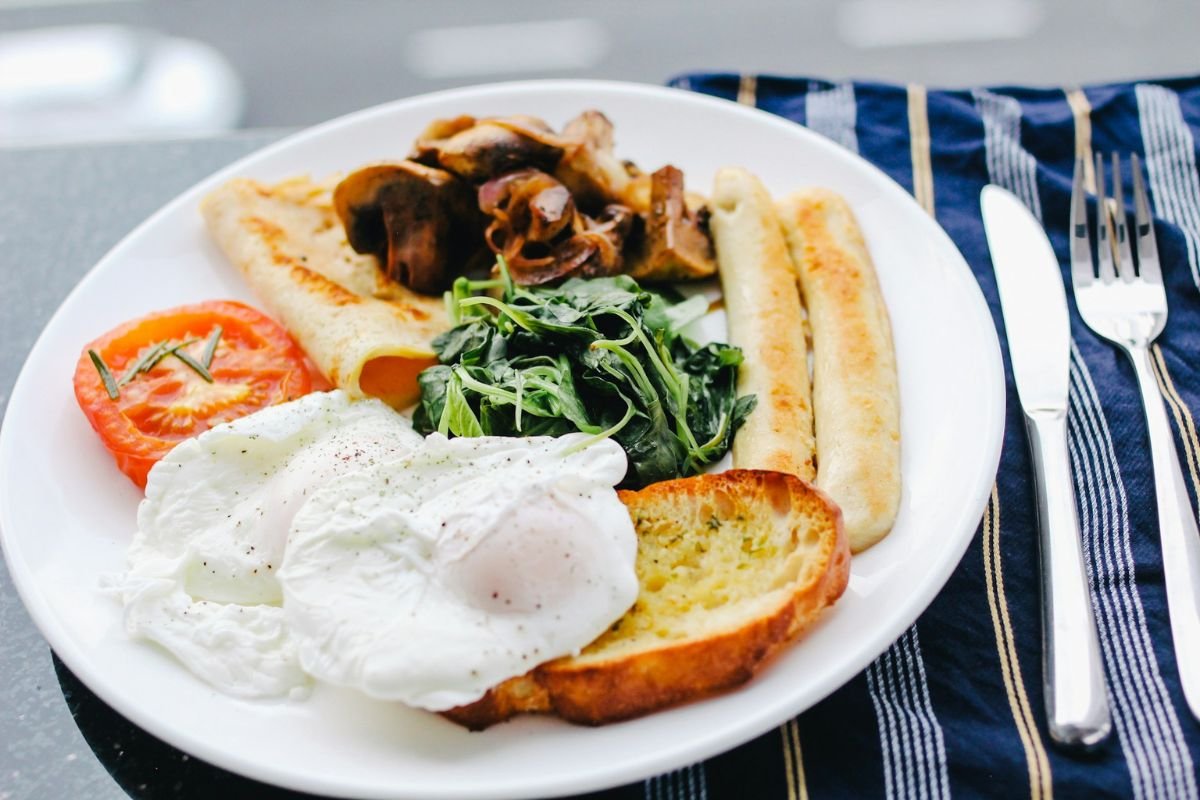
12 NOVEMBER 2024
Food pairing myths have circulated for generations, leading many people to avoid perfectly safe food combinations. From fruit and seafood to spinach and tofu, countless foods have been labelled “dangerous” despite little or no scientific evidence. In this article, we’ll explore the science behind these claims and separate food myths from fact.
The Good: Why Food Pairings Work
Ever heard of “food pairing”? It’s the concept of combining foods that naturally complement each other, creating unforgettable matches. Classic pairings like wine and cheese or spaghetti and meatballs bring out the best in each component, much like how staple foods such as wheat became deeply embedded in cultures and everyday diets. These iconic combinations instantly come to mind when we think of certain foods, reminding us of how well they elevate each other to create a truly memorable dining experience.
The more elements involved in these combinations, the richer and more satisfying the experience becomes. Take pizza, for example: dough, ripe San Marzano tomatoes, melting mozzarella cheese, fresh basil, and a drizzle of olive oil create a universally beloved dish. Similarly, add juicy meat, crisp lettuce, tangy pickles, onions, and savoury condiments, and you have a classic burger. These iconic food pairings are enjoyed worldwide because their ingredients work in harmony, enhancing both flavour and texture. They also remind us how certain foods become deeply rooted in cultures, much like rice continues to sustain billions across the world. The success of food pairing lies in this balance, creating combinations that are widely loved and deeply satisfying.
The Bad: Unusual Food Combinations
Then there are bizarre food combinations that defy logic and taste expectations. Would you dare to try spicy fried chicken coated in a rich milk chocolate sauce? How about a sweet smoked salmon cheesecake or lamb and mint-flavoured ice cream? These unusual pairings often come from bold experiments that mix entirely different kinds of dishes, merging savoury main courses with dessert-like flavours. For some, these combinations are simply too strange to imagine enjoying.
Let’s be honest, not every food combination sounds appetising, but that doesn’t mean it’s dangerous. We all have our personal tastes and preferences, and some food pairings just seem a bit odd. While some might not appeal to everyone, experimenting with flavours is usually safe.
I personally prefer to enjoy dessert separately rather than mixing sweet and savoury foods in unconventional ways. Not every food needs a companion, after all!
And the Ugly: Food Nemesis
Have you heard of a “Food Nemesis”? While the term is unofficial, it describes a real phenomenon where certain ingredients seem to be at odds with each other. When these foods are eaten together, they can trigger unpleasant or even toxic reactions in the body. Imagine experiencing severe digestive distress, no amount of willpower can overcome the effects of a true food clash! That’s why “nemesis” feels like the perfect word to describe this relationship.
In this article, we’ll uncover some widely discussed food combinations that are rumoured to be toxic enough to harm us. We’ll explore whether these warnings hold any truth or if they’re simply myths that have stuck over time.
Peach + Watermelon = Poison?
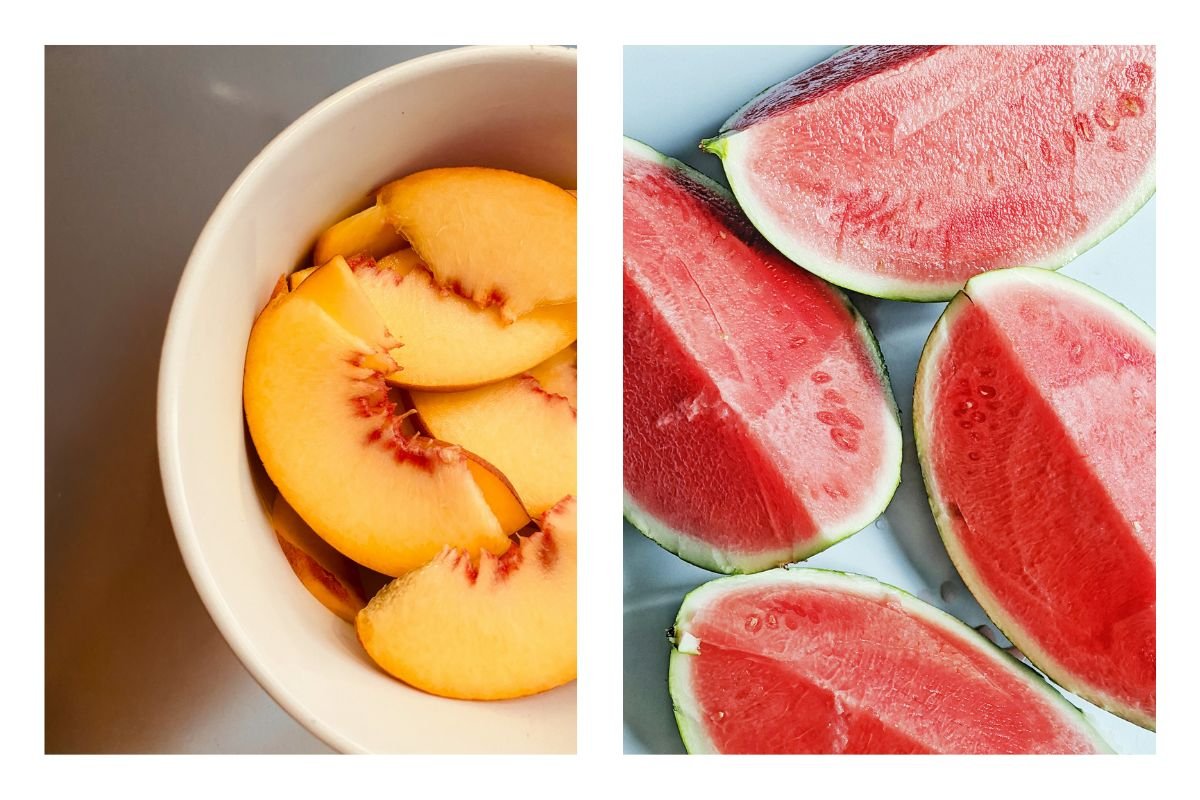
Summer brings us the sweetest and juiciest peaches and watermelons. Unfortunately, many people shy away from combining these fruits due to a persistent rumour that doing so can cause food poisoning. Despite the lack of scientific support for this idea, the belief still keeps people from enjoying this potentially refreshing pairing.
Why Peaches and Watermelon Are Safe Together
Interestingly, the nutritional composition of peaches and watermelons is actually quite similar. Both fruits are primarily made up of water, carbohydrates, and natural sugars. Watermelon consists of around 90% water, 8% carbohydrates, and 6% sugar, while peaches are approximately 88% water, 10% carbohydrates, and 9% sugar. Given these nearly identical compositions, there is no scientific basis to support the idea that eating them together could be harmful.
Enjoy Them in Moderation
But it is important to note, however, that both watermelons and peaches have high water content. Eating large amounts of water-rich foods can increase the fluid in the intestines, which may lead to loose stools or even mild diarrhoea.
Additionally, very ripe fruits tend to have slightly higher concentrations of natural sugars, which can have an osmotic effect in the intestines, drawing extra water into the bowel and contributing to digestive issues. This highlights the importance of understanding sugar beyond common misconceptions. Therefore, while it’s safe to enjoy these fruits together, eating them in moderation is the best way to prevent any potential discomfort.
Also, eating too much in a short period may overwhelm the digestive system and lead to frequent visits to the toilet. The natural sugars can also pose a risk for those managing conditions like diabetes or working toward weight control. But by enjoying these fruits in moderation, you can savour the flavours of summer without any worries.
Fruit + Shrimp = Arsenic?
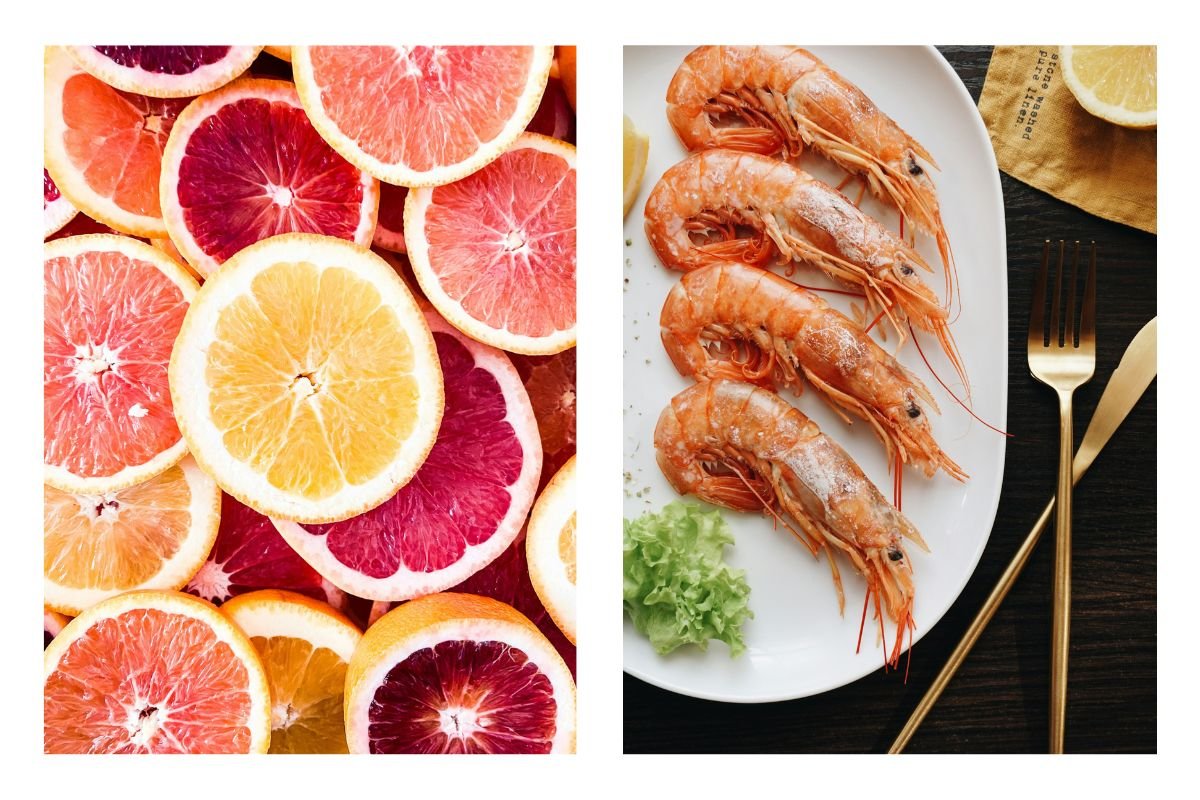
This rumour is an old classic. It claims that fruits rich in vitamin C, like oranges or grapefruits, can convert a less toxic form of arsenic naturally found in seafood, pentavalent arsenic (arsenic V), into a more toxic form, trivalent arsenic (arsenic III), which could be harmful to human health. Despite this claim, vitamin C is widely recognised for its role in supporting overall health.
Can Fruit and Shrimp Really Produce Arsenic?
This claim oversimplifies complex biochemical interactions. While it’s true that vitamin C (ascorbic acid) can act as a reducing agent, theoretically capable of converting pentavalent arsenic (arsenic V) into the more toxic trivalent arsenic (arsenic III) in certain laboratory conditions, this reaction does not occur simply by eating vitamin C-rich fruits alongside seafood. To begin with, arsenic compounds in seafood are primarily organic forms, which are far less toxic than inorganic arsenic. Additionally, the body’s handling of arsenic exposure involves complex detoxification processes that are not affected by vitamin C consumption.
Therefore, the claim is unfounded, vitamin C cannot convert the arsenic present in seafood into a more dangerous form.
Hypothetically Speaking
Let’s entertain this claim for a moment. Let’s imagine for a moment that this claim was true. Even then, the numbers highlight how unrealistic it is. A single kilogram of shrimp contains around 0.5 mg of total arsenic, most of which is in the non-toxic organic form known as arsenobetaine, not pentavalent arsenic (arsenic V). For arsenic to reach toxic levels in the body, you’d theoretically need to eat over 100 kilograms of shrimp in one sitting. Realistically, a person would face life-threatening consequences from extreme overeating long before arsenic poisoning could ever become a concern! And, of course, the human stomach could never hold that much food, not to mention the additional fruit required for the “reaction.”
Verdict: Fruit and Shrimp Are Safe Together
In short, eating fruit and shrimp together is not toxic! Although seafood naturally contains small trace amounts of arsenic, these levels are minimal and fall well within the safety limits set by food safety regulations. So, you can enjoy your shrimp and fruit worry-free, knowing that there’s no danger in combining the two.
Spinach + Tofu = Kidney Stones?
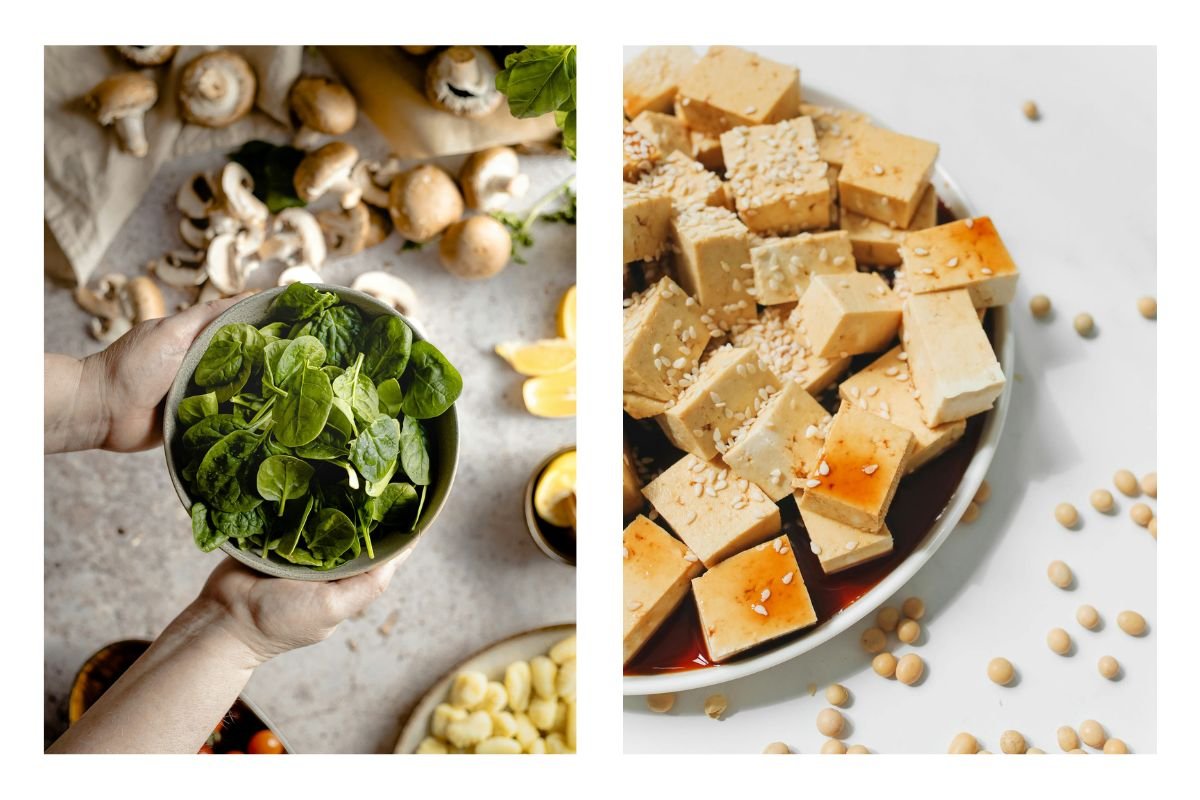
Raw spinach is rich in oxalic acid, and tofu contains a significant amount of calcium. When consumed together, oxalic acid can bind with calcium in the intestines, forming calcium oxalate, which may reduce calcium absorption. In individuals prone to kidney stones, high levels of oxalate in the urine can lead to the formation of calcium oxalate crystals, which may eventually grow into kidney stones.
So, yes, spinach and tofu can be a conflicting food combination.
How to Reduce Oxalates in Spinach
For most people, eating spinach and tofu together occasionally poses minimal risk. But for those prone to kidney stones, there’s a simple solution: blanching the spinach before eating. This quick process, boiling the spinach briefly, removes a significant amount of the oxalic acid, which reduces the chance of calcium oxalate formation. As a result, this allows more calcium to be available for absorption in the intestines, potentially supporting bone health without the risk of it binding with oxalic acid.
Persimmon + Crab = Gastric Bezoars (Stomach Stones)?
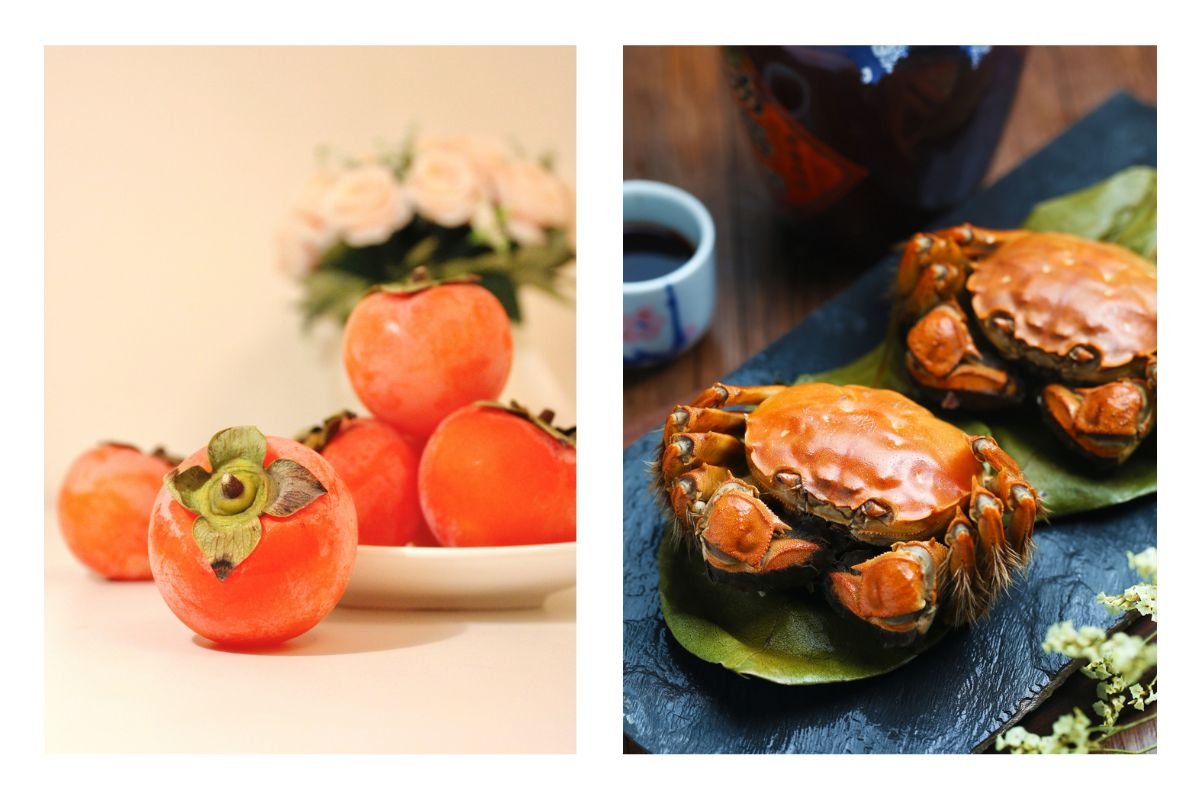
A rumour suggests that eating persimmons with crab can lead to the formation of gastric bezoars, or stomach stones. This belief is based on the idea that the tannins (tannic acid) in persimmons might react with the proteins in crab, causing a precipitation reaction that supposedly forms solid stones in the stomach. But is there any truth to this?
The short answer is no. While tannins in persimmons can interact with proteins, this doesn’t typically lead to the formation of insoluble stones in the digestive system.
Can Persimmons and Crab Cause Stomach Stones?
Gastric bezoars, commonly referred to as stomach stones, are rare and generally form from the accumulation of undigested food, fibres, or other materials that clump together and harden into a mass in the stomach. This condition is usually linked to eating certain foods that are difficult to digest or not chewed thoroughly, not from specific food combinations like persimmons and crab.
The Digestibility of Persimmons
However, unripe persimmons can be difficult to digest and in rare cases, may contribute to bezoars due to their high fibre and tannin content. But as persimmons ripen, their tannin levels decrease resulting in a sweeter taste and making them much easier to digest, but consuming large amounts of ripe persimmons may, in rare cases, still contribute to the formation of stomach stones. So the risk isn’t associated with combining persimmons and crab specifically. Individuals with a history of bezoars or impaired digestion should consume persimmons cautiously. For most people, enjoying persimmons and crab together poses no risk of forming stomach stones.
Soy Milk + Eggs = Malabsorption Syndrome?
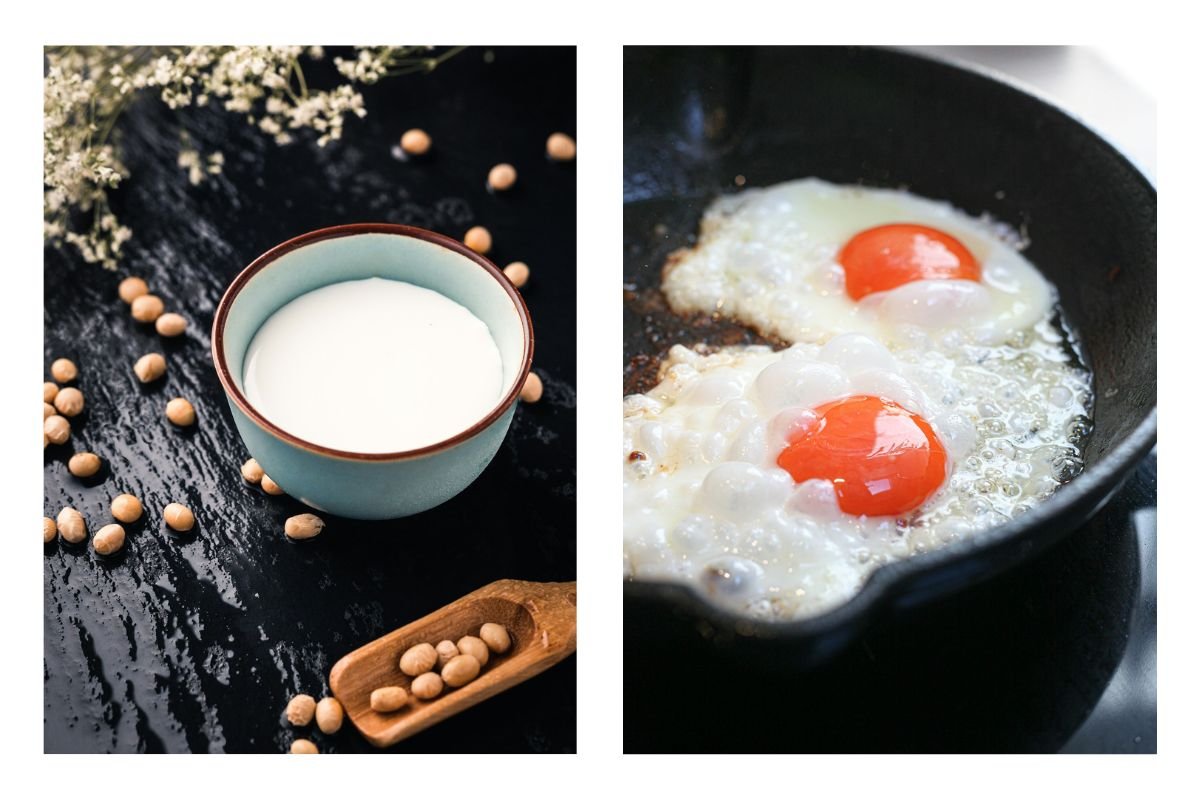
Malabsorption syndrome is a condition where the body has difficulty digesting or absorbing nutrients properly, often resulting in symptoms like bloating, diarrhoea, and, in severe cases, impacting growth and development.
A rumour suggests that consuming soy milk with eggs may hinder nutrient absorption. This popular claim warns that soy milk contains compounds that inhibit protease activity, which could prevent nutrient absorption when consumed with eggs. This has led some people to avoid pairing soy milk and eggs, especially at breakfast.
Interestingly, there’s some truth to this, but only if the soy milk is raw.
Why Raw Soy Milk Can Affect Digestion
Raw soybeans contain compounds known as trypsin inhibitor, which can interfere with the activity of protease enzymes needed for breaking down proteins into smaller peptides and amino acids for digestion. Since eggs are high in protein, their digestion relies on these enzymes. Regularly consuming raw soy milk and eggs together could disrupt this process over time, as the trypsin inhibitor blocks protein digestion, potentially leading to nutrient malabsorption.
Why Boiling Soy Milk Solves the Problem
Fortunately, there’s an easy fix. If you prefer homemade soy milk to avoid additives in commercial products, simply boiling raw soy milk will deactivate the protease inhibitors, making it much easier to digest. This ties into a broader truth: digestion is strongly influenced by gut health and beneficial bacteria. Store-bought soy milk is typically pasteurised to neutralise these inhibitors. This means you can safely enjoy it with eggs or other protease-rich foods like papaya, pineapple, kiwi, and fermented items, without worrying about nutrient absorption issues.
Beer + Seafood = Gout?

A common belief suggests that consuming beer and seafood together can trigger gout. While this isn’t entirely accurate, it’s understandable why people believe it. Let’s break down the connection.
What is Gout?
Gout is a type of inflammatory arthritis that causes sudden and severe joint pain, often affecting the base of the big toe, though it can also impact other joints, including the ankles, knees, wrists, fingers, and elbows.
What Causes Gout?
Gout develops due to high levels of uric acid in the blood, a condition known as hyperuricemia. When uric acid levels become too high, it can crystallise, depositing in the joints, tendons, and surrounding tissues. This build-up leads to sudden, severe episodes of pain, swelling, redness, and warmth in the affected areas.
What is Uric Acid?
Uric acid is a waste product formed when the body breaks down purines, compounds found naturally in the body and in certain foods. Under normal conditions, uric acid dissolves in the blood and is removed by the kidneys through urine. However, when the body produces too much uric acid or the kidneys fail to remove enough of it, hyperuricemia can develop, raising the risk of gout.
Where Do Purines Come From?
Purines are found in a variety of foods, with beer and certain types of seafood containing higher levels. When we consume these foods, the body breaks down purines, producing uric acid as a by-product. This is where the connection between beer, seafood, and gout originates. Consuming high-purine foods can raise uric acid levels, potentially triggering gout attacks in those susceptible to the condition.
Beer and Seafood: Does the Combination Cause Gout?
For individuals vulnerable to gout, either beer or seafood alone can raise uric acid levels enough to trigger a gout episode due to their high purine content. Thus, the issue lies not in a unique reaction between these foods but in the excessive intake of purines. Essentially, it’s the overconsumption of purine-rich foods that can lead to painful gout flare-ups.
For most people without a genetic tendency toward gout or a history of the condition, occasional indulgence in beer and seafood together is unlikely to increase gout risk. This means that, for most people, enjoying these foods in moderation, even in combination, is generally harmless.
Final Thoughts on Food Pairing Myths
Food pairing myths have been passed down through generations, shaping the way many people think about certain food combinations. Yet, most of these beliefs don’t stand up to scientific scrutiny. While some food combinations may cause mild digestive discomfort in certain individuals, they’re unlikely to become toxic simply because they’re eaten together. Our digestive system is designed to break down foods efficiently, making dangerous reactions between common ingredients extremely unlikely.
The Real Causes of Food-Related Illness
In most cases, food poisoning and adverse reactions are caused by contaminated food, poor food handling or individual allergies, not by combining everyday ingredients. Understanding the difference between genuine food safety risks and long-standing food myths allows you to make more informed choices and enjoy a wider variety of foods with confidence.
Put Food Safety Before Food Pairing Myths
Rather than worrying about dangerous food combinations, focus on proper food storage, safe preparation and a balanced diet. By separating food pairing myths from scientific evidence, you can make better food choices and enjoy your meals with greater confidence and peace of mind.
People Also Ask
Frequently Asked Questions About Food Pairing Myths
Is it dangerous to mix certain foods together?
In most cases, mixing different foods is not dangerous. The human digestive system breaks down foods individually, meaning harmful chemical reactions between common ingredients are extremely unlikely. Most concerns around food combinations come from myths rather than scientific evidence.
Can food combinations cause poisoning?
Food poisoning is usually caused by contaminated or improperly handled food, not by combining specific ingredients. Bacteria, poor storage, and hygiene issues are far more likely to cause illness than any food pairing.
Why do people believe in food pairing myths?
Many food myths originate from misunderstandings of science, cultural traditions, or isolated incidents that were incorrectly explained. Over time, these ideas spread and become accepted as “rules,” even without evidence.
Is it bad to eat fruit with other foods?
No, eating fruit with other foods is generally safe. While some people may experience mild digestive discomfort depending on portion size or sensitivity, there is no scientific evidence that fruit becomes harmful when combined with other foods.
Do certain food combinations affect digestion?
Some combinations may influence digestion slightly, especially if they are high in fibre, sugar, or fat. However, this is usually related to quantity and individual tolerance rather than a dangerous interaction between foods.
Can spinach and tofu cause kidney stones?
Spinach and tofu can contribute to oxalate intake, which may be a concern for people prone to kidney stones. However, for most people, eating them together occasionally is safe. Simple steps like blanching spinach can reduce this risk.
Does vitamin C and seafood create toxins?
No, vitamin C does not turn the arsenic found in seafood into a harmful form when eaten together. This claim is a myth and is not supported by scientific evidence.
Is soy milk with eggs bad for digestion?
Only raw soy milk contains compounds that may interfere with protein digestion. Properly cooked or store-bought soy milk is safe to consume with eggs and does not cause malabsorption.
Does beer and seafood cause gout?
Beer and seafood both contain purines, which can raise uric acid levels. However, gout is typically linked to overall intake and individual susceptibility, not the combination itself.