Why You Can’t Smell Your Own Bad Breath (And How to Fix It)

12 MAY 2026
When You Have Bad Breath But Cannot Smell It
Most of us have had this uncomfortable thought at least once:
What if I have bad breath and I am the only one who does not know?
Bad breath is surprisingly common, yet many people cannot smell their own breath because the brain quickly adapts to familiar odours. That is part of what makes bad breath so socially awkward.
It is uncomfortable precisely because other people rarely say anything. Not out of cruelty, but out of politeness. No one wants to embarrass you. So the possibility lingers, unspoken, sitting somewhere between self-doubt and social silence.
One surprisingly practical way people try to check is by wearing a face mask. When you breathe out through your mouth, some of that air is redirected back towards your nose. It is not a perfect method, but it can sometimes make odours more noticeable than usual. Even then, it is unreliable. Our sense of smell adapts very quickly. Over time, many people simply stop noticing their own breath.
And that is part of what makes bad breath so common.
What Causes Bad Breath?
Here is the reassuring part: almost everyone experiences bad breath at times.
Saliva itself is not the problem. The issue begins when saliva mixes with food debris and bacteria. That combination creates the conditions for odour to develop.
Bad breath is caused by gases produced by bacteria in the mouth. As these bacteria break down certain materials, especially proteins that contain sulphur, they release compounds responsible for the odour associated with halitosis.
Bacterial balance is not limited to the mouth. It connects to digestion and immunity as well, which is why topics like gut health often come into the picture. You can explore this further in how probiotics support digestion and overall health.
When people search for bad breath causes, they are often surprised to learn how ordinary this process really is.
The Two Main Types of Bad Breath
Broadly speaking, bad breath falls into two categories: disease-related and non-disease-related.
In cases that are not linked to illness, around 80 to 90 percent of the smell originates in the mouth itself. The most common cause is bacteria breaking down leftover food.
If you could look closely at your tongue under a microscope, you would see that it is far from smooth. It is covered in folds, grooves, and tiny gaps between taste buds. These spaces easily trap food particles and dead cells.
Foods such as milk, meat, fish, eggs, and sulphur-rich foods like onions and garlic are especially likely to cause problems. Once trapped, bacteria break them down into sulphur compounds that smell unpleasant. While much of this comes down to bacterial activity, there are also widespread misconceptions about how foods interact in the body. You can explore this further in the truth behind dangerous food pairings.
Why Morning Breath Happens
This process becomes much more intense when the mouth stays closed for long periods.
Many of the bacteria involved are anaerobic bacteria, meaning they thrive in low-oxygen environments. A useful comparison is a rubbish bin. When it stays closed, the smell builds up. Once you open it, the odour hits you immediately. An open bin tends to smell less intense because oxygen changes which bacteria can survive.
The mouth works in a similar way. Anaerobic bacteria breaking down protein-rich material tend to produce the strongest smells.
This is why morning breath is so common. During sleep, saliva production drops significantly. Saliva normally helps wash away debris and neutralise acids. With less saliva and a closed mouth, bacteria have ideal conditions to produce odour.
Once you wake up, start talking, drinking, or eating, saliva flow increases again and helps clear some of that build-up.
Oral Hygiene Problems That Cause Bad Breath
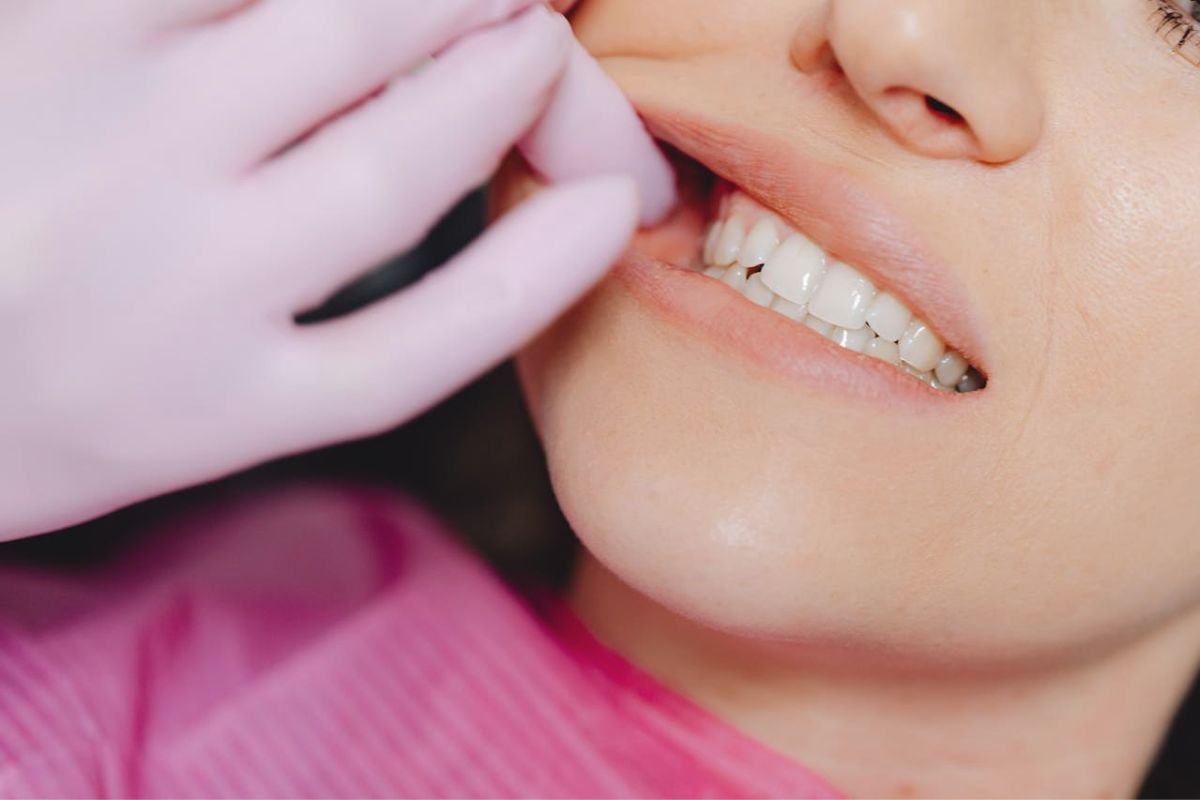
In everyday life, everyone is at risk of bad breath from time to time.
Food can lodge between teeth. Dental plaque and tartar buildup can trap debris. Excessive tartar can irritate the gums, causing inflammation. When gums become inflamed, they may pull away slightly from the teeth, creating small pockets where bacteria collect.
The rough surface of tartar itself also harbours bacteria, increasing the overall bacterial load in the mouth. Brushing alone often does not reach these areas, which is why flossing vs brushing is not an either-or choice. They serve different purposes.
Many people brush daily but skip flossing entirely. Yet even after brushing, floss often removes debris, especially after eating meat or fish. Left alone, that material slowly breaks down and feeds bacteria.
So the question naturally follows: how do you deal with this in a way that is effective, manageable, and not miserable enough to make you give up after a week?
When Simple Habits Are Enough
Non-Disease Causes of Bad Breath
For non-disease-related bad breath, simple oral hygiene habits make a real difference.
Using dental floss, brushing thoroughly, rinsing the mouth, drinking enough plain water, and having regular dental check-ups all help significantly. Antibacterial mouthwash can reduce bacteria in the mouth, lowering the production of odour-causing gases.
It is about consistency. Small daily habits matter more than occasional extremes.
Disease-Related
When Bad Breath Points to Something Deeper
Disease-related bad breath is more complex, and understandably, this is what worries people most.
When stomach issues are involved, bad breath is usually not caused by gas travelling directly upward. It is more often linked to secondary effects such as acid reflux, changes in oral bacteria, or persistent dry mouth.
There are also medical conditions where breath odour becomes noticeable early on, sometimes as soon as a person starts speaking. These situations deserve medical attention. Certain illnesses are associated with characteristic smells, although they are not always as clear-cut as people assume.
- Poorly controlled diabetes can produce a sweet or fruity smell due to ketones.
- Severe gum infections may smell foul due to tissue breakdown.
- Advanced liver disease can cause a musty or sweet odour.
- Kidney failure may lead to an ammonia-like smell.
- Sinus infections can produce unpleasant odours when infected mucus drains into the throat.
These smells are not diagnostic on their own, but they can be warning signs. Disease-related bad breath tends to be persistent and does not improve with normal oral hygiene. That is when professional advice becomes important.
Why You Cannot Smell Your Own Bad Breath
What concerns me more, personally, is how common it is for people to have bad breath without realising it themselves.
The human nose adapts quickly to familiar smells. This process, known as sensory adaptation, means that once you are exposed to a scent for long enough, your brain stops registering it as unusual.
People who work around strong odours often barely notice them anymore. The same thing happens with your own breath or body odour. To you, it feels normal. To the person next to you, it may be obvious.
Yet telling someone they have bad breath is socially uncomfortable. Most people avoid the topic and quietly step away instead. This silence can affect social interactions far more than people realise.
Why Tongue Cleaning Helps Bad Breath

Another highly effective but often ignored step is tongue cleaning.
The coating on the surface of the tongue is made up of bacteria, dead cells, and food debris. In some cases, especially when oral hygiene is poor or the mouth is very dry, this coating may include yeast such as Candida, which can appear as whitish patches.
Using a tongue scraper or a toothbrush to clean the tongue reduces the amount of bacteria available to produce unpleasant-smelling gases. Even if small traces of food remain, they are far less likely to smell strongly.
Regular tongue cleaning also limits how deeply those grooves on the tongue act as bacterial traps. For many people with chronic bad breath, this simple habit leads to noticeable improvement.
Dry Mouth, Hydration, and Bad Breath
Another key factor is preventing dry mouth.
Saliva is the mouth’s natural cleaning system. When saliva flow drops, bacteria and debris build up far more easily, and smells develop faster.
So why does dry mouth happen? One common reason is simply not drinking enough plain water. The idea of eight glasses a day is not a strict rule, but drinks like coffee or milk tea do not hydrate the mouth in the same way water does. Caffeine can reduce saliva flow in some people, especially when consumed in larger amounts.
Treating coffee as a replacement for water is very common. Drinking several cups a day can leave the mouth feeling dry, which increases the likelihood of bad breath. Drinks that contain milk also add proteins that can cling to the teeth and tongue. If they are not cleaned away properly, bacteria break them down and produce odours.
Hydration and oral health are closely linked. Drinking enough water supports saliva production and helps keep the mouth cleaner throughout the day. If you want a deeper look at how this one habit influences far more than just your mouth, you can explore why drinking water shapes your day more than you realise.
Why Bad Breath Often Goes Unnoticed

The uncomfortable thing about bad breath is not just the smell. It is the fact that we are often the last to notice it ourselves.
Our senses adapt. Our routines become automatic. The people around us stay polite rather than honest. What feels normal to us may register very differently to someone standing a little closer.
Paying attention to bad breath is not about vanity. It is about awareness, health, and consideration for the people around us.
In most cases, bad breath improves with simple habits: better oral hygiene, tongue cleaning, hydration, flossing, and regular dental care. Small daily actions often make a far bigger difference than people expect.
Sometimes, noticing what we have grown used to is where change begins.
People Also Ask
Frequently Asked Questions About Bad Breath
Why can’t I smell my own bad breath?
Your sense of smell adapts quickly to familiar scents, including your own breath. This process, known as sensory adaptation, means your brain gradually stops registering the smell as unusual, even if others can notice it.
How can I check if I have bad breath?
You can try simple methods such as breathing into a face mask, licking your wrist and smelling it after it dries, or asking someone you trust. None of these are perfect, but they can give you a rough idea.
What is the most common cause of bad breath?
The most common cause is bacteria in the mouth breaking down food particles, especially proteins. This process produces gases known as volatile sulphur compounds, which create unpleasant odours.
Why is morning breath worse?
Morning breath is stronger because saliva production drops during sleep. With less saliva to wash away bacteria and food debris, odour-causing compounds build up more easily overnight.
Does drinking water help with bad breath?
Yes, drinking enough water helps maintain saliva production, which naturally cleans the mouth and reduces the buildup of bacteria and debris that cause odour.
Can bad breath be a sign of a health problem?
In some cases, yes. Persistent bad breath that does not improve with oral hygiene may be linked to conditions such as gum disease, sinus infections, acid reflux, or other underlying health issues.
Does brushing your tongue really help?
Yes, cleaning your tongue removes bacteria, food debris, and dead cells that contribute to bad breath. For many people, this is one of the most effective improvements they can make.
How do I get rid of bad breath permanently?
There is no single permanent fix, but consistent habits make a big difference. Brushing, flossing, tongue cleaning, staying hydrated, and regular dental check-ups can keep bad breath under control long term.