The Psychology of Heartbreak: How Love, Loss, and Self-Worth Shape Us

17 FEBRUARY 2026
When Love Breaks Us Apart
The psychology of heartbreak reveals something many people only discover after love ends. Some people move through heartbreak gradually, while others feel emotionally shattered by it. A breakup can awaken deep feelings of rejection, insecurity, abandonment, and loss, often reaching far beyond the relationship itself.
In a previous article, I mentioned that personality shapes destiny. But that raises another question: what shapes a person’s personality? Much of what shapes us can be traced back to the three key relationships and early emotional bonds that shape who we become.
When people go through heartbreak, some manage to recover with time, while others feel as though their entire world has collapsed. Why does this happen?
Why Some People Recover Faster After Heartbreak
Let’s start with a simple question. Among these three kinds of people, who do you think can recover more quickly after love ends?
1. The highly educated.
Does academic achievement protect someone from emotional pain? Can a person with impressive grades or a degree from a top university escape heartbreak without losing composure?
2. The wealthy.
Does money help? If someone grows up surrounded by comfort, luxury homes, expensive cars, never lacking anything, does that mean they handle love’s endings more calmly? Or do those from humble backgrounds simply feel heartbreak more deeply?
3. The emotionally “complete”.
What about someone who feels secure within themselves, emotionally grounded and steady, could they recover faster because their inner world is stable?
Take a moment to think about it.
What Shapes Emotional Resilience After Heartbreak
The answer, I believe, is already clear. Education doesn’t shield us from pain. Wealth doesn’t guarantee emotional balance. What truly makes the difference is our inner world. Our sense of self, emotional stability, and capacity to grow through pain.
So who suffers the most when love ends? Who becomes lost, fragile, and unable to let go? That’s what we’ll explore today.
The Psychological Foundations of Emotional Stability
A person who can bounce back from adversity, heal over time, and turn hardship into growth is someone with what psychologists call a sound personality.
I used the word “complete” earlier, but in psychology, we rarely label people as complete or incomplete, perfect or flawed. Those are moral judgements, not psychological ones. Still, the idea of wholeness exists in a framework known as Gestalt psychology, or the psychology of wholeness.
In simple terms, a sound personality is one where thoughts, emotions, and behaviours are relatively balanced and connected. Where a person can stay centred even in emotional storms.
So what’s missing in those who struggle most after a breakup? Why do some people become desperate, self-destructive, or push others away when they’re hurting? Why do they say, “Leave me alone, this is just how I am”?
To understand that, we first need to explore the three essential elements of a sound personality.
1. Emotional Security and the Fear of Loss
The first element of a sound personality is a sense of security.
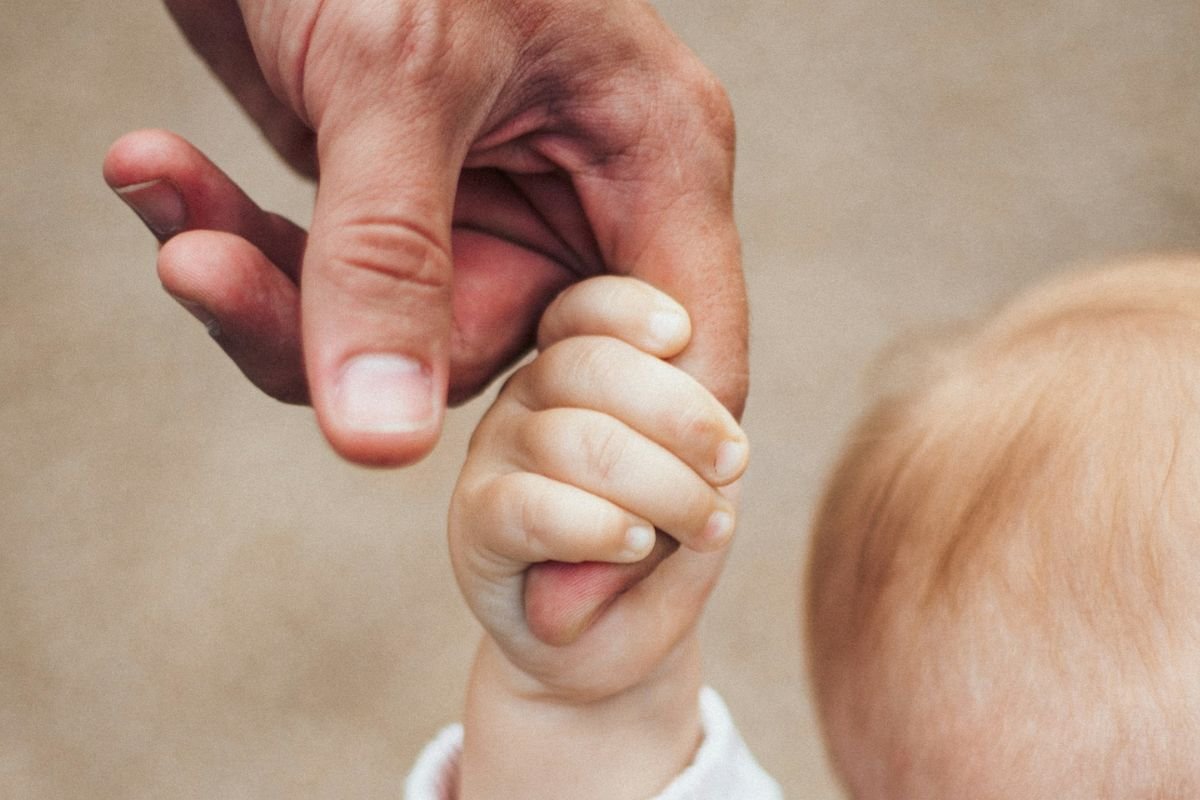
When this is missing in childhood, something essential was likely absent early on. Later in life, that emptiness often shows up in love. Many people, women especially, may find themselves longing for emotional reassurance, clinging to relationships that make them feel safe.
A child’s sense of security begins forming from birth. It grows in those early years through consistent, loving care. The kind that says, I’m here for you. Usually, this comes from the mother, but it could just as easily come from a father, grandparent, or anyone who offers steady emotional warmth. When a child cries or feels frightened, they instinctively turn to the person who comforts them. It isn’t about gender; it’s about emotional reliability.
But when that comfort was missing or inconsistent, something deeper takes root, a quiet longing that follows them into adulthood. In relationships, they may seek to fill that void through control, dependency, or emotional overinvestment. And when love ends, the loss feels unbearable. In moments like these, it helps to have gentle ways to cope when emotions feel overwhelming. Small actions can steady you when everything feels like it’s falling apart.
Psychologists often call this attachment trauma. An early wound that leaves a trace of disconnection lingering through the years. What looks like heartbreak in the present often carries the pain of an unmet need from long ago.
2. Belonging, Attachment, and Emotional Strength
The second element, even more vital than security, is belonging.
This sense of belonging forms when a child grows up feeling accepted and emotionally safe. It’s not just about being cared for; it’s about feeling wanted, valued, and loved for who they are.
You could say the mother provides emotional containment, while the father helps sustain that structure, together creating a balanced emotional ecosystem. The British psychoanalyst D. W. Winnicott described this as the holding environment, a safe emotional space provided by “good-enough” parenting. When parents treat each other with warmth and respect, it sends the child a simple but powerful message: This world is safe. You belong here.
A child raised in such an environment develops what psychologists call psychological capital, an internal reserve of love, trust, and resilience. Later in life, when faced with rejection or heartbreak, they can recover without losing themselves. They might feel pain, yes, but not emptiness.
The Inner Bank of Emotional Wealth
Think of this as an emotional “bank account.” Parents make small, steady deposits of love and reassurance every day. When that account is full, the child grows into an adult who walks through life with confidence. They can be alone without feeling lonely, and they don’t rely on others to make them feel complete.
But when that emotional bank is empty, when early needs went unmet, the story unfolds differently. In relationships, such a person may cling tightly to their partner, desperate to feel whole. Yet, the tighter they hold on, the more love slips away.
It’s like trying to hold water in clenched fists, the harder you squeeze, the less you keep. Letting go requires a deep sense of safety within, and without it, love becomes both a refuge and a battlefield.
When a person’s sense of belonging was fragile in childhood, they often pour all their energy into romantic relationships later on. And when that love isn’t returned with equal intensity, it can feel as though the ground beneath them has disappeared, as if life itself has lost meaning.
3. Self-Worth and Emotional Stability in Relationships
So, beyond security and belonging, there’s a third element that completes a sound personality, a sense of self-worth.

Before we continue, let’s pause for a moment. Have you ever noticed what happens when a group of men get together for drinks? After a few rounds, the conversation often turns into boasting: who earns more, who drives what, who’s achieved the most.
Or think of a woman who spends months paying off a designer handbag she couldn’t really afford. Why does that bag mean so much?
It’s easy to say people show off what they secretly lack, or that she’s just seeking attention. But beneath those actions lies something far deeper. A longing to feel valuable.
That longing points to the third foundation of a healthy inner world: a sense of self-worth.
Where Self-Worth Begins
Self-worth isn’t something we acquire through success or possessions; it begins in childhood. When a child grows up surrounded by love, acceptance, and emotional safety, they absorb an unspoken message: I matter. I’m enough just as I am.
But when that message never takes root, something important is missing. This is often why self-love feels so difficult, as the foundation it depends on was never fully formed.
Without that foundation, the world can start to feel like an exhausting stage. Every look, comment, or criticism feels magnified. A single disapproving remark can unsettle their confidence.
People with fragile self-worth often live from the outside in, constantly adjusting who they are based on what others think. Their self-image shifts with every compliment or rejection.
Living from the Inside Out
In contrast, someone with strong self-worth lives from the inside out. They can hear others’ opinions without losing themselves in them. They know their value doesn’t depend on approval, status, or possessions.
They might say, “You are you, and I am me. I can respect your view, but it doesn’t define me.” That confidence is the natural outcome of early experiences where security and belonging were strong.
When those foundations are solid, self-worth grows naturally. Such people don’t chase validation, they tend to radiate it. They don’t need to prove their importance; they live it, effortlessly and authentically.
The Circle of Emotional Foundations
Psychologists often describe these three elements: security, belonging, and self-worth, as interwoven threads. Each strengthens the other. When all three are present, a person develops resilience, emotional balance, and the ability to love without losing themselves.
But when any one of them is missing, life can start to feel unsteady. Love becomes a test of worth rather than a source of comfort, and relationships turn into mirrors reflecting old wounds.
Why Heartbreak Hurts So Deeply
Why does heartbreak cut so deeply?
It’s often because, during the relationship, the other person met one or more of our deepest emotional needs, perhaps safety, belonging, or self-worth. Consciously or not, love became the source of something we’d been missing all along.
Psychologically speaking, it’s as if we were handed an emotional “coin” that made us feel whole. Then, when love ends, that coin is suddenly taken away. Without emotional reserves of our own to lean on, it feels like the world collapses, as though our sense of self crumbles with it.
The Austrian psychologist Alfred Adler once observed that when people feel empty inside, they often become “beggars of love.” They reach out with invisible hands, silently pleading, “Please love me. Please stay. Please make me feel enough.” They come to depend on others to fill an emotional space that’s remained empty for far too long. This is where healing becomes essential for healthier relationships. No one else can sustainably carry what we haven’t yet faced within.
The Difference Between Emotional Dependence and Healthy Love
Someone with emotional reserves, with what we might call “inner savings” doesn’t approach love as a transaction. They don’t beg for affection; they offer it. Their presence feels steady, generous, and calm. They become a source of safety rather than someone who seeks it.
From a psychological perspective, being unable to move on after a heartbreak isn’t just about losing the relationship, it’s about reawakening an old wound. The pain often traces back to early experiences: emotional neglect, constant conflict, or a lack of warmth at home. Those childhood patterns shape how we attach, trust, and respond to loss later in life. This is often where we begin to see how these patterns show up as relationship anxiety, especially when closeness begins to feel uncertain.
So when someone finally receives love, even a little, they hold on tightly because they fear losing it again. Their emotional “warehouse” is still empty, and that emptiness makes letting go unbearable.
The Blueprint of Love We Grow Up With

When a child grows up seeing a father who loves and supports the mother, and a mother who respects and trusts the father, they witness love built on mutual care. That image becomes their emotional blueprint. Such children grow into adults who can love freely, without fear, because they carry within them a secure base.
But when a child grows up surrounded by conflict, coldness, or resentment, that emotional blueprint looks very different. Their inner world becomes fragile, built on uncertainty rather than trust. Without having experienced warmth and safety firsthand, they struggle to create it later in life.
That’s why, whether dating or choosing a partner, one quality matters more than all others: the stability of their personality. Emotional maturity is worth more than beauty, wealth, or charm. A grounded, secure person can weather love’s storms without losing themselves or breaking the people they care about.
What Healthy Relationships Are Really Built On
In the end, life’s greatest investments aren’t financial, they’re emotional. They lie in how we communicate, how we make choices, and how we decide who stands beside us.
Awareness is the beginning of learning. Self-observation is the beginning of change.
And healing, perhaps, begins the moment we realise that what we seek in others is often what was once missing in ourselves.
A Final Reflection
The psychology of heartbreak reminds us that emotional pain is rarely only about the relationship itself. Heartbreak often touches much older wounds connected to security, belonging, attachment, and self-worth. When love ends, those deeper emotional foundations can feel shaken as well.
This is why some people recover gradually while others feel completely lost. The difference often lies in the strength of the inner world they built long before the relationship began.
Healing from heartbreak does not mean becoming emotionless or detached. It means slowly rebuilding a sense of safety, stability, and worth within yourself so that love no longer feels like survival.
Because when your inner world feels steady, relationships stop becoming a desperate search for completion. Love becomes something gentler, healthier, and more secure, a place where two people can care for each other without losing themselves in the process.
Explore Further
If this reflection resonated with you, these may offer a deeper perspective on how our inner world shapes the way we love, struggle, and heal:
- Understanding the early relationships that quietly shape how we see ourselves and others → (Post 019)
- Exploring why feeling worthy and developing self-acceptance can be more difficult than it seems → (Post 043)
- Learning why healing from within is essential for building healthier, more stable relationships → (Post 006)
- Finding gentle ways to support yourself emotionally during difficult moments → (Post 062)
- Seeing how deeper emotional patterns can make closeness feel uncertain in relationships → (Post 088)
People Also Ask
Frequently Asked Questions About Heartbreak and Healing
Why does heartbreak feel so painful emotionally?
Heartbreak can feel overwhelming because it often activates deep emotional needs such as security, belonging, and self-worth. When a relationship ends, it is not just the person we lose, but also the feelings of safety and identity that came with them. This can make the pain feel much deeper than the situation itself.
Why do some people struggle more than others after a breakup?
People who struggle more after a breakup often have unresolved emotional needs from earlier life experiences. If someone lacks a strong sense of security, belonging, or self-worth, they may rely heavily on relationships to feel complete. When that relationship ends, it can feel like losing a part of themselves.
How long does it take to heal from heartbreak?
There is no fixed timeline for healing from heartbreak. Recovery depends on emotional resilience, self-awareness, and support systems. Some people begin to feel better within weeks, while for others it may take months or longer. Healing becomes easier when a person focuses on rebuilding their inner sense of stability.
Can heartbreak affect your sense of self-worth?
Yes, heartbreak can strongly impact self-worth, especially if someone tied their value to the relationship. When love ends, it can trigger feelings of rejection or inadequacy. Rebuilding self-worth involves recognising that your value is not dependent on another person’s presence or approval.
What are healthy ways to cope with heartbreak?
Healthy ways to cope with heartbreak include allowing yourself to feel your emotions, maintaining supportive connections, focusing on daily routines, and engaging in small actions that bring comfort. Over time, developing emotional independence and self-understanding can help reduce the intensity of the pain.
Why do people become emotionally dependent in relationships?
Emotional dependency often develops when someone did not receive consistent emotional support earlier in life. As a result, they may look to relationships to fill that gap. This can create a strong attachment where their sense of stability depends on the other person, making separation especially difficult.
Can heartbreak lead to personal growth?
Yes, heartbreak can lead to personal growth when a person reflects on their emotional patterns and experiences. It can reveal unmet needs, attachment styles, and areas for self-development. With time and awareness, many people come out of heartbreak with a stronger sense of self and healthier relationship habits.