14 Foods for Better Sleep That May Support Healthy Weight Loss

03 NOVEMBER 2026
If you’ve ever tried to lose weight, you may know the feeling. You’re looking for foods for better sleep, healthier evening meals, and something that can keep nighttime hunger from taking over.
You finish dinner early, determined not to eat again. Then, a few hours later, your stomach starts complaining. You try to ignore it, but the hunger makes it harder to relax. You get into bed, turn from one side to the other, and wonder whether you should have eaten something after all.
Some people hold out all evening, only to give in just before bed and eat far more than they intended. Instead of making weight loss easier, the whole thing becomes a frustrating cycle of nighttime hunger, cravings and overeating.
Being alive really isn’t easy!
What we eat can affect both our weight and our sleep. And the relationship goes both ways. Getting too little sleep can increase hunger and energy intake, which can make managing your weight more difficult.
So is there a way to eat well, sleep well, and still support healthy weight loss?
Let’s start with what to eat at dinner. Then we’ll look at some healthy bedtime snacks for those nights when hunger strikes again. Finally, we’ll explore the connection between sleep, appetite and weight.
The best part is always at the end, so stick around.
Choosing the Right Carbohydrates for Dinner
There’s nothing wrong with having carbohydrates at dinner. They are an important source of energy, and for most people, there’s no need to eliminate them completely.
The more important question is which carbohydrates you choose and how much you eat.
Foods made mainly from refined white flour, such as many white breads and pastries, tend to be low in fibre and can raise blood glucose more quickly than less-refined carbohydrate foods.
You may have noticed that some flour-based foods make you feel sleepy after eating them.
“I get sleepy after eating bread or pasta. Doesn’t that mean they’re helping me sleep?”
Not necessarily.
Feeling sleepy after a meal isn’t the same thing as getting good-quality sleep. A better approach is to include less-refined carbohydrates such as brown rice, oats, sweet potatoes, beans and other minimally processed foods as part of a balanced dinner.
Could Rice Help You Sleep Better ?
Interestingly, rice has been studied specifically in relation to sleep.
One small study involving 12 healthy young men found that eating a high-GI Jasmine rice meal four hours before bedtime was associated with falling asleep faster than eating a low-GI rice meal. The average time to fall asleep was about nine minutes compared with 17.5 minutes.
That’s an interesting finding, but it needs to be kept in perspective. The study was very small and looked only at the short-term effects in a group of healthy young men. It isn’t proof that eating rice will help everyone sleep better.
There may be another reason carbohydrates are sometimes discussed in relation to sleep. They can influence the availability of tryptophan, an amino acid involved in the production of serotonin and melatonin.
And melatonin is worth understanding because we’ll come across it several times throughout this article.
Melatonin is a hormone produced mainly by the brain’s pineal gland. Its main job is to help regulate the body’s sleep-wake cycle. As evening arrives, melatonin levels normally rise, helping signal to the body that it is time to prepare for sleep.
But the story isn’t as simple as “eat carbohydrates and make more melatonin.” The body’s production and use of tryptophan, serotonin and melatonin involves several steps, and research on ordinary carbohydrate intake and sleep is still mixed.
So rather than chasing one particular food, it makes more sense to think about the quality and balance of your whole evening meal.
4 Foods for Better Sleep
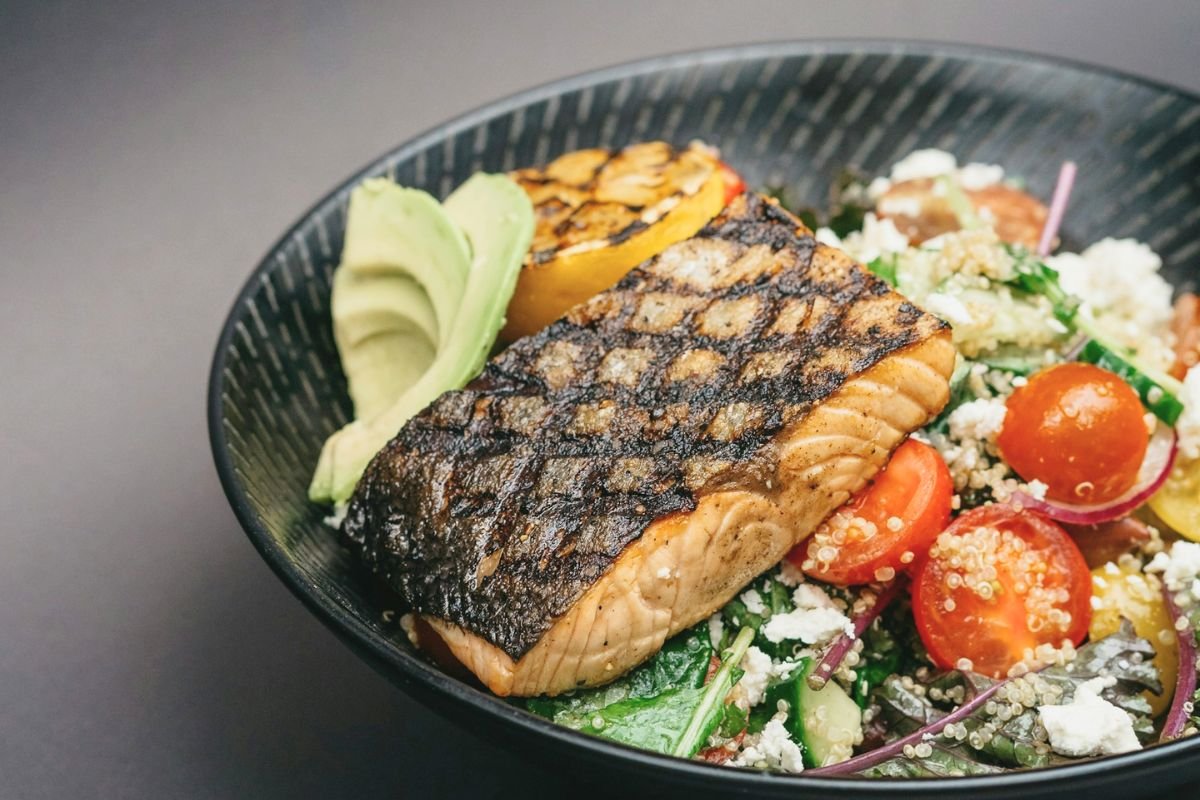
Now let’s look at four nutritious foods that can fit naturally into a sleep-friendly dinner.
4. Avocado
Avocados provide unsaturated fats, fibre, potassium and magnesium.
Magnesium is important for normal nerve and muscle function and may play a role in healthy sleep. However, evidence that simply eating more magnesium-rich foods directly improves sleep is still limited.
That doesn’t make avocado any less worthwhile. It’s a nutrient-rich food that can add healthy fats and fibre to an evening meal without relying on highly processed ingredients.
3. Leafy Greens
Spinach, lettuce and kale are packed with fibre, vitamins and minerals, including magnesium and, in some cases, iron.
Iron is particularly interesting when it comes to sleep because low iron status is associated with restless legs syndrome. People with this condition may experience an uncomfortable urge to move their legs, particularly when resting in the evening, which can make it difficult to settle down or stay asleep.
Leafy greens aren’t a treatment for restless legs syndrome, but regularly including nutritious sources of iron and other essential nutrients is a sensible part of a healthy diet.
Asparagus is another good vegetable to include. It provides fibre, folate and several vitamins. You may sometimes hear claims that its chlorophyll can improve sleep, but there isn’t strong evidence to support that specific claim.
2. Skinless Chicken and Turkey
Chicken and turkey provide high-quality protein as well as tryptophan, making them useful choices for a balanced dinner.
Try pairing them with plenty of vegetables and a sensible portion of carbohydrate rather than turning them into a heavy, fried meal.
Grilled, baked or roasted chicken may not sound quite as exciting as a plate of fried chicken, but your body doesn’t need dinner to be exciting every night. Sometimes simple food is exactly what you need.
1. Salmon and Tuna
Salmon and tuna provide protein and tryptophan, while salmon is particularly rich in omega-3 fatty acids.
They also provide vitamin B6, which is involved in normal metabolism and the production of neurotransmitters.
That doesn’t mean eating salmon for dinner will suddenly make you sleepy. Rather, these are nutrient-rich foods that fit comfortably into a balanced eating pattern, and good nutrition is one part of creating the conditions for better sleep.
And that’s really the bigger point.
There probably isn’t one magical “sleep food.”
A balanced dinner with a sensible portion of carbohydrate, a good source of protein, vegetables and some healthy fat is far more useful than searching for a single ingredient that supposedly switches sleep on.
After all, a good night’s sleep doesn’t begin when your head hits the pillow. Sometimes, it begins with the choices you make several hours earlier, when you’re simply deciding what to put on your plate.
5 Fruits to Enjoy After Dinner for Better Sleep
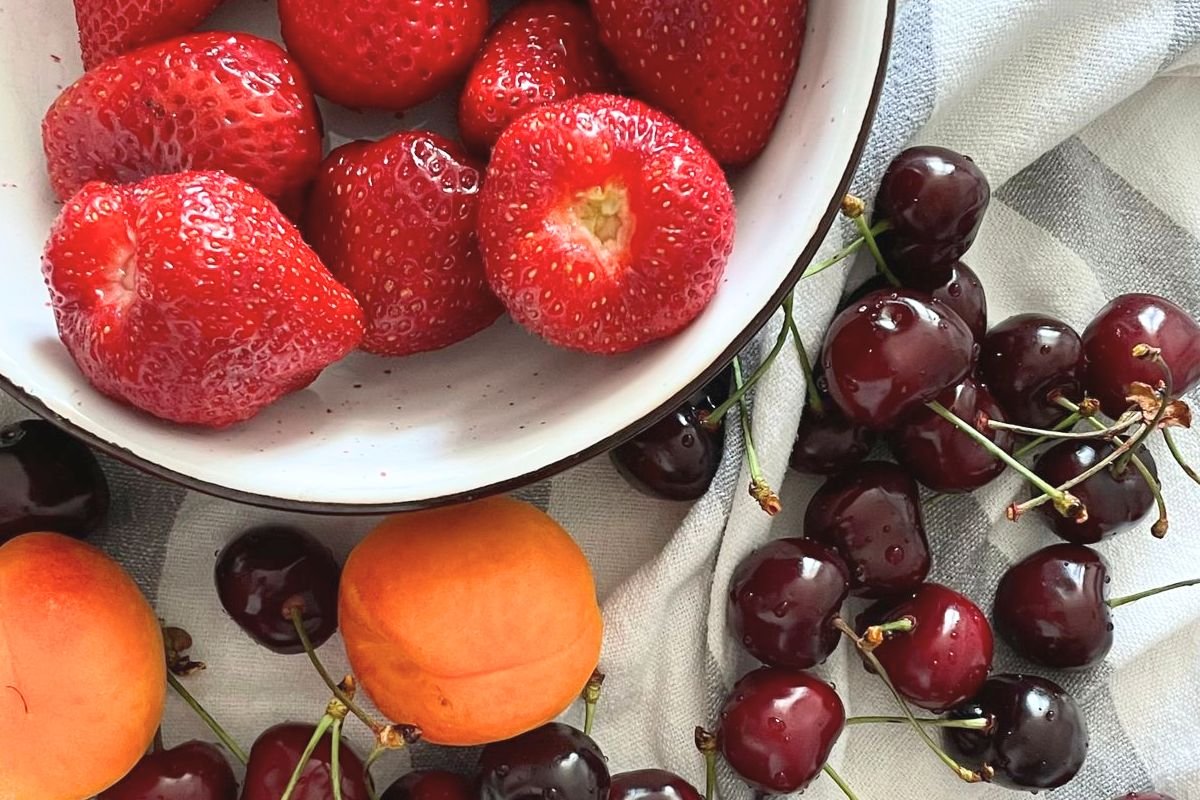
If dinner has left you wanting something sweet, you don’t necessarily have to ignore that craving.
A piece of fruit can be a simple way to finish the meal. You get the sweetness you were looking for, along with fibre, vitamins, minerals and other beneficial plant compounds.
Here are five fruits worth considering.
5. Bananas
Bananas provide potassium, magnesium, fibre and carbohydrate, along with small amounts of tryptophan and melatonin.
They are somewhat higher in calories and carbohydrate than some other fruits, but that doesn’t make them off-limits at night. A small banana, or even half of one, can be a perfectly reasonable evening snack.
Sometimes you don’t need to fight a craving. You just need to satisfy it with something sensible.
4. Apricots
Apricots are relatively low in calories and provide vitamins A and C, fibre and antioxidant compounds.
Their natural sweetness makes them an easy choice when you want a little dessert without reaching for biscuits or cake. They’re also light enough that you don’t have to feel as though you’ve added another full meal to your evening.
3. Strawberries
Strawberries are rich in vitamin C and provide fibre and antioxidant compounds. They also contain small amounts of melatonin.
A bowl of fresh strawberries can be a light and refreshing way to finish dinner, particularly on an evening when you want something sweet but don’t want anything heavy.
2. Kiwi
Kiwi is relatively low in calories and provides plenty of vitamin C, fibre, vitamin K and other beneficial plant compounds.
It is also one of the fruits that has actually been studied in relation to sleep.
Small human studies have suggested that eating kiwi regularly may improve sleep onset, sleep duration and sleep efficiency in some people. Researchers have proposed several possible explanations, including kiwi’s serotonin content and antioxidant properties.
The evidence is still limited, so kiwi isn’t a guaranteed sleep remedy. But it is certainly an interesting fruit to include in an evening diet, especially when you want something nutritious and refreshing.
1. Cherries
Cherries, particularly tart cherries, have attracted considerable interest in sleep research because they naturally contain melatonin.
Studies involving tart cherry products have found increases in melatonin availability and improvements in some measures of sleep. The research is still developing, but cherries are one of the more interesting fruits when it comes to the relationship between food and sleep.
A small serving of fresh cherries can be a satisfying way to finish dinner. Just remember that fresh or unsweetened cherries are quite different from cherry desserts loaded with added sugar.
And perhaps that’s the simplest takeaway from this whole section.
When you want something sweet after dinner, you don’t have to choose between pleasure and nutrition. You can enjoy sweet foods without guilt while still making sensible choices about what you eat. Fruit can satisfy the craving while giving your body something useful in return.
5 Healthy Bedtime Snacks Under 200 Calories
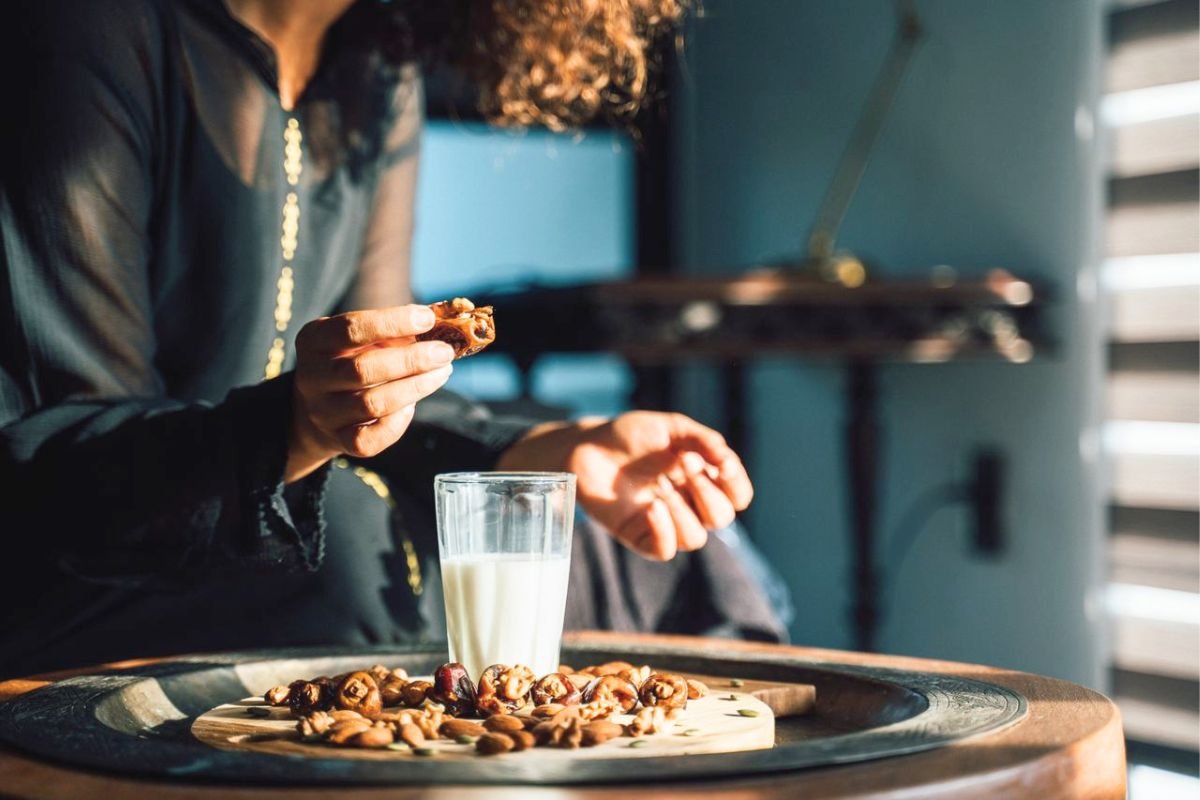
But what happens when it’s not just a craving?
What if you’re genuinely hungry before bed?
You don’t necessarily have to lie there hungry simply because you’re trying to lose weight. If your stomach is rumbling and you know you’re unlikely to sleep comfortably, a small snack can be perfectly reasonable.
Keeping a bedtime snack around 200 calories or less can be a useful guideline when you’re watching your overall calorie intake, although the right amount depends on your diet, activity level and individual needs.
The goal isn’t to eat as little as possible. It’s to take the edge off your hunger without turning a small snack into another full meal.
Here are five options worth considering.
5. Montmorency Tart Cherries
Montmorency tart cherries have been studied for their potential effects on sleep. Some research suggests they may increase melatonin availability and improve certain measures of sleep.
If weight management is a priority, whole cherries are generally more filling than juice because they provide fibre. If you prefer cherry juice, keep the serving modest and choose an unsweetened option when possible.
There is a surprisingly big difference between a small serving of whole fruit and a large glass of sweetened fruit juice.
4. A Small Cup of Warm Milk
There’s something comforting about a warm drink before bed, and milk can be more than just a soothing nighttime ritual.
Milk provides protein, calcium and tryptophan, while dairy products also contain small amounts of melatonin. Tryptophan can be used by the body in the production of serotonin and, ultimately, melatonin.
A small cup of warm milk can therefore make a simple bedtime snack.
And if regular milk doesn’t agree with you, lactose-free milk or a small serving of yogurt can be good alternatives. Some yogurts also provide probiotics, which are beneficial microorganisms associated with gut health and digestion.
3. Sweet Potato
Sweet potatoes provide complex carbohydrate, fibre and potassium.
Their fibre helps slow digestion and can keep you feeling satisfied, making a small portion considerably more filling than a handful of biscuits.
Carbohydrates may also influence the availability of tryptophan to the brain under certain dietary conditions, although the effect depends on the overall meal and isn’t as straightforward as it is sometimes made to sound.
There is another reason to appreciate fibre. Some research has linked higher fibre intake with better sleep quality.
So that humble sweet potato may have more going for it than we give it credit for.
2. Walnuts with a Little Honey
Walnuts provide protein, healthy unsaturated fats and tryptophan, and research has also detected melatonin in walnuts.
A small amount of honey provides carbohydrate, which may influence tryptophan availability under certain conditions. But honey is still added sugar, so a little really is enough if you’re trying to manage your weight.
A few walnuts with a small drizzle of honey can make a surprisingly satisfying bedtime snack without turning into a late-night feast.
1. Almonds
Almonds take the top spot because they pack quite a lot of nutrition into a small serving.
They are particularly rich in magnesium and also provide calcium, protein, fibre and healthy unsaturated fats. One ounce, or about 28 grams, contains roughly 80 milligrams of magnesium and 75 milligrams of calcium.
Magnesium and calcium are important for normal nerve and muscle function. Almonds also provide vitamin E, vitamin B6 and folate.
They aren’t a guaranteed sleep remedy, but they have one very practical advantage: a small portion can be surprisingly satisfying.
A modest handful can take the edge off nighttime hunger while giving you protein, fibre and healthy fats.
And perhaps that’s what we should be aiming for.
You don’t have to go to bed hungry simply because you’re trying to lose weight. Nor do you need a large dessert to feel satisfied.
Sometimes, a small piece of fruit, a few nuts or a warm cup of milk is enough to quiet the hunger and let the evening settle down.
Because when the kitchen is finally quiet and the lights are going out, the goal isn’t to win some battle against food.
It’s simply to feel comfortable enough to sleep.
The Connection Between Sleep and Weight

We’ve talked about what to eat at dinner, what to choose when you want something sweet, and what to do when genuine hunger returns before bed.
But there’s one bigger piece of the puzzle we haven’t fully explored yet: sleep itself.
Sleep isn’t simply the time when we’re not eating. It can influence how hungry we feel, what foods we reach for, how our bodies regulate blood sugar, and how easy it is to maintain healthy habits.
People who consistently sleep too little often find it harder to manage hunger and food choices. Research shows that sleep restriction can increase hunger and food intake, and may make us more likely to choose foods higher in calories, sugar and fat. Over time, that can make maintaining a healthy weight more difficult.
When You’re Tired, Food Can Be Harder to Resist
There’s another important connection.
Even a relatively short period of sleep restriction can reduce insulin sensitivity in some people. When that happens, the body may need more insulin to keep blood glucose levels within a normal range. If poor insulin sensitivity continues over time, it can contribute to metabolic problems and increase the risk of type 2 diabetes.
Sleep also interacts with the complicated network of hormones and brain signals that regulate hunger and fullness.
Ghrelin and leptin are two hormones often discussed in this context, although research doesn’t always find the same changes in their levels. What seems clearer is that insufficient sleep can influence appetite and the brain’s reward response to food.
In other words, when we’re exhausted, it’s not simply a matter of lacking willpower.
Sometimes the problem isn’t that you suddenly have no self-control. You’re tired. Your brain is looking for something quick and rewarding, and that piece of cake or packet of biscuits can suddenly look much more appealing than it did earlier in the day.
A good night’s sleep can make it easier to recognise whether we’re genuinely hungry or simply tired, stressed or looking for a quick energy boost. When we’re well rested, we may also find it easier to make sensible food choices rather than automatically reaching for something sweet, salty or highly processed.
And this is where the relationship becomes a cycle:
Sleep affects eating, and eating can affect sleep.
A balanced diet, sensible portions and avoiding excessively heavy meals late at night can support better sleep. At the same time, getting enough sleep can make it easier to manage appetite and maintain healthy eating habits.
Sleep Is When Your Body Gets to Work
There’s another reason not to underestimate those hours in bed.
While we’re sleeping, the body isn’t simply switching off. It’s carrying out essential maintenance and repair. Brain waste-clearance processes become more active, tissues undergo repair, and hormones involved in growth, metabolism and recovery are released.
Good sleep is therefore part of the bigger picture of looking after your brain, alongside eating foods that support brain health.
One of the hormones released during sleep is growth hormone, which is released in pulses, particularly during deeper stages of sleep. It plays important roles in tissue growth and repair, protein metabolism, and maintaining muscle and other tissues. It also influences how the body uses fat for energy.
But sleep isn’t simply a nightly “fat-burning” session. Its benefits are much broader than that.
Sleep gives the body time to regulate, repair and recover.
And that matters when we’re trying to lose weight, because healthy weight management isn’t just about what happens on a bathroom scale. It’s also about having enough energy to move, enough focus to make good decisions, and enough consistency to maintain healthy habits.
Give Sleep a Place at the Table

We often reduce weight loss to a simple equation: eat less and exercise more. Those things certainly matter, but sleep is another important piece of the puzzle.
When we’re constantly tired, hunger can become harder to manage, food choices can become more difficult, and even healthy habits can require more effort.
Remember where we started: lying in bed hungry, trying desperately not to eat, only to give in because sleep simply wouldn’t come.
The answer isn’t to fight hunger at all costs. It’s to understand what your body needs, choose nourishing food when you’re genuinely hungry, avoid turning the evening into a feast, and give yourself permission to rest.
Because healthy weight management isn’t about becoming stricter with yourself. It’s about taking better care of yourself.
And that’s the real lesson behind these foods for better sleep. There isn’t one magical ingredient that guarantees a good night’s sleep. What matters is the bigger picture: nourishing meals, sensible portions, healthy bedtime snacks when needed, and enough sleep to let your body recover.
Eat well. Sleep well. And give your body the chance to do what it does best: recover, regulate and stay healthy.
Explore More
If you’d like to explore some of the ideas mentioned in this article, these related reads may be helpful:
- Learn more about everyday foods that may help support your brain as you age. → (Post 098)
- Take a closer look at how probiotics can fit into a healthy approach to gut health and digestion. → (Post 065)
- Explore a more balanced way to think about sugar, cravings and enjoying sweet foods. → (Post 010)
- If you’re curious about what happens during sleep, discover how lucid dreaming works and whether dreams can be influenced. → (Post 049)
People Also Ask
Frequently Asked Questions About Foods for Better Sleep
What foods are best for better sleep?
Foods that may support better sleep include kiwi, tart cherries, almonds, walnuts, salmon, avocado, bananas and leafy greens. However, no single food guarantees better sleep. A balanced diet, sensible evening meals and healthy sleep habits are more important than any one ingredient.
What is the best food to eat before bed?
If you’re genuinely hungry before bed, a small snack such as almonds, a small portion of tart cherries, warm milk or a little sweet potato may be a reasonable choice. The goal is to satisfy hunger without turning a bedtime snack into another full meal.
Do foods containing melatonin help you sleep?
Some foods, including tart cherries, walnuts and certain fruits, naturally contain small amounts of melatonin. However, eating these foods does not guarantee better sleep. Melatonin production and sleep are influenced by many factors, including your body’s internal clock, light exposure and overall sleep habits.
Is kiwi good for sleep?
Kiwi is an interesting food for sleep because small human studies have suggested that eating kiwi regularly may improve sleep onset, sleep duration and sleep efficiency in some people. The evidence is still limited, so kiwi should be viewed as a nutritious food that may support sleep rather than a sleep remedy.
Can eating before bed help with weight loss?
Eating before bed does not automatically prevent weight loss, nor does it automatically cause weight gain. If you’re genuinely hungry, a small, nourishing snack may be better than going to bed uncomfortable or eventually overeating. For healthy weight management, your overall calorie intake, food quality, activity and sleep all matter more than simply avoiding food after a certain hour.