7 Science-Backed Foods for Brain Health to Help Protect Your Memory as You Age
11 AUGUST 2026
Have you ever walked into a room only to forget why you went there? Or noticed a parent asking the same question more than once without realising they had already asked it?
Moments like these remind us how much we depend on our brains every single day. While occasional forgetfulness is a normal part of life, many people begin searching for the best foods for brain health and wonder whether what they eat can really make a difference.
The encouraging news is that it can.
A healthy diet cannot guarantee perfect memory or prevent every illness, but growing evidence suggests it can support brain health, improve memory, and help reduce the risk of cognitive decline, dementia, and some mental health conditions. Understanding nutrition is only one part of protecting brain health. Recognising the early signs of dementia is equally important, as it can help families seek medical advice sooner.
Whether you’re raising a child who struggles to concentrate at school, trying to stay mentally sharp through the demands of work, or caring for an older family member who has become more forgetful, the foods on your plate may matter more than you think.
Why Foods for Brain Health Matter So Much
Although the brain makes up only about 2% of our body weight, it consumes roughly 20% of the body’s total energy. Every thought, memory, emotion, and decision depends on a steady supply of oxygen and nutrients.
You can think of the brain as one of the busiest organs in the body. Every second, billions of nerve cells communicate through complex chemical and electrical signals that allow us to learn, remember, solve problems, and connect with the people around us.
To keep this remarkable system running well, the brain relies on two basic necessities.
The Brain Depends on Oxygen and Nutrition
First, it needs oxygen from the air we breathe. Second, it needs nutrients from the foods we eat.
Fresh, clean air benefits both the brain and the rest of the body. Although we cannot always control the quality of the air around us, we have far more influence over the food we choose to eat each day.
Those daily choices gradually shape our health in ways that often go unnoticed until years later.
Before looking at the best foods for brain health, it is worth asking ourselves a simple question.
If we already know which foods are good for us and which ones are not, why do so many of us still struggle to eat well?
Knowledge alone rarely changes behaviour. We are much more likely to build lasting habits when we understand why they matter. That applies not only to nutrition, but to almost every area of life.
Once you understand what food is doing inside your body, making healthier choices begins to feel less like a chore and more like an investment in your future.
Your Genes Are Not the Whole Story
Many chronic diseases, including Alzheimer’s disease and other forms of dementia, have a genetic component. Hearing that something “runs in the family” can feel discouraging. It is easy to assume the outcome is already decided.
Fortunately, that is not the complete picture.
Although a healthy diet cannot change your DNA, research suggests it can influence how certain genes are expressed. Scientists call this epigenetic regulation, a field that explores how lifestyle and environmental factors affect the way our genes behave.
In other words, our genes may influence our health, but they do not always write the entire script.
That is one reason nutrition for brain health deserves far more attention than it often receives. Healthy eating is not a substitute for medical care when it is needed, but it remains one of the most powerful ways to support long-term health. Many of the foods we eat every day have been studied for decades and continue to show measurable benefits.
A Healthy Body Supports a Healthy Brain
The brain does not work in isolation.
It constantly communicates with every organ in the body while depending on those same organs to deliver oxygen, nutrients, hormones, and energy. That includes the digestive system. Researchers continue to learn more about the gut-brain connection and how healthy gut bacteria may influence mood, memory, and overall brain function.
When the rest of the body is struggling, the brain often feels the effects too.
Conditions such as high blood pressure, heart disease, type 2 diabetes, and obesity are all associated with a greater risk of cognitive decline and dementia. Protecting brain health therefore means looking after the whole body, not just the mind.
Alongside regular exercise, restorative sleep, and managing stress, healthy eating remains one of the most effective ways to support long-term cognitive function. Getting enough key nutrients also matters, and vitamin D deficiency is far more common than many people realise.
A growing body of research suggests that a brain health diet, particularly one rich in whole, nutrient-dense foods, can help maintain memory, support mental sharpness, and encourage healthy ageing.
With that foundation in place, let’s explore seven brain healthy foods that research suggests can nourish your mind while supporting your entire body.
7 Foods for Brain Health That Deserve a Place on Your Plate

No single food can prevent dementia or guarantee a sharp memory for life. But together, these foods for brain health provide many of the nutrients the brain depends on every day.
Think of them as part of a long-term investment. Small choices, repeated consistently, often matter far more than dramatic changes that never last.
1. Dark Green Leafy Vegetables for Brain Health
Kale, spinach, Swiss chard, and other dark leafy greens are among the most nutrient-dense foods you can eat.
They are rich in folate, other B vitamins, vitamin K, lutein, and a variety of beneficial plant compounds that support the brain’s many chemical processes. They also provide antioxidants and natural anti-inflammatory compounds that help protect brain cells from everyday wear and tear.
Large population studies have found that people who eat leafy greens more regularly tend to maintain better cognitive function as they grow older.
The good news is that they are remarkably versatile. Add them to soups, stir-fries, omelettes, curries, pasta dishes, or simply enjoy them in a fresh salad.
2. Berries
Few brain-boosting foods pack as much nutrition into such a small package as berries.
Blueberries, blackberries, raspberries, and strawberries contain flavonoids called anthocyanins, the natural pigments responsible for their vibrant colours.
These compounds help protect brain cells from oxidative stress and may also reduce inflammation, two processes increasingly linked with age-related memory loss and cognitive decline.
Research suggests that people who eat berries regularly often perform better on memory and thinking tests later in life. While berries are certainly not a miracle food, they are one of the easiest and most enjoyable foods to improve memory.
3. Nuts
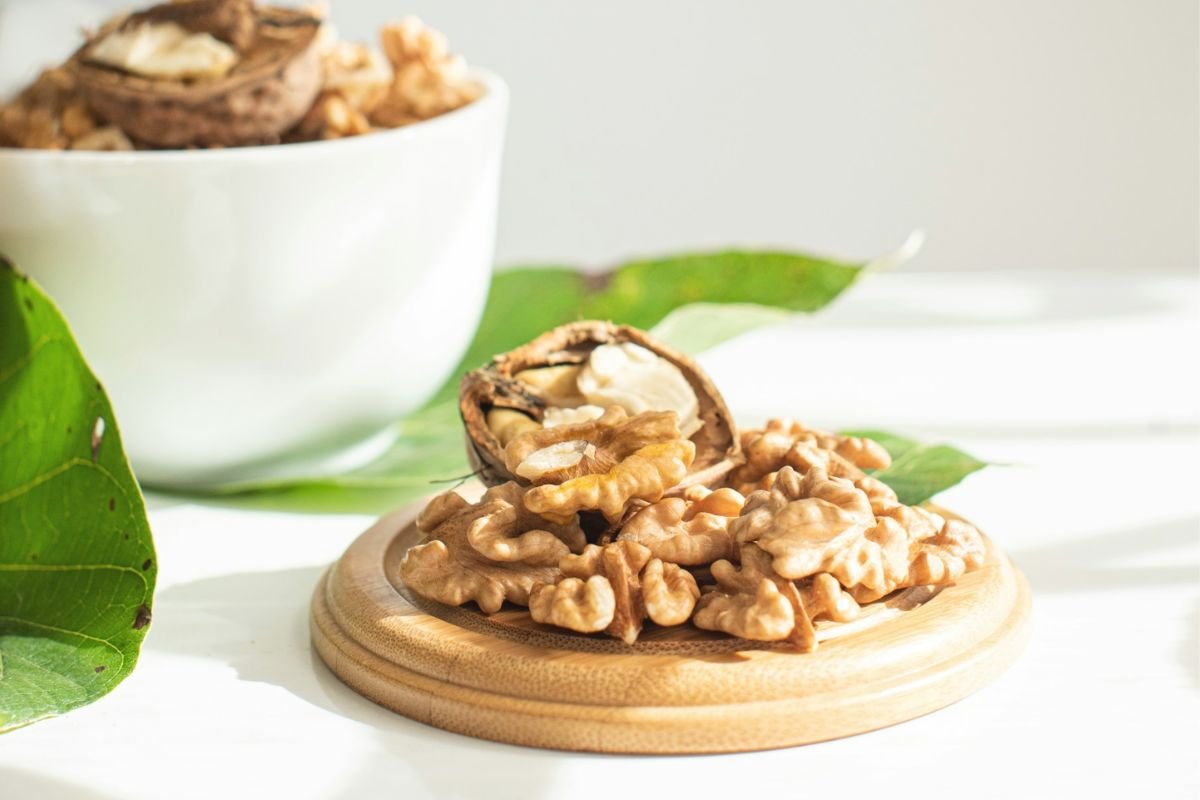
A handful of nuts each day can provide an impressive range of nutrients that benefit both the brain and the heart.
Walnuts, almonds, pecans, cashews, and even peanuts supply healthy unsaturated fats, vitamin E, magnesium, and several B vitamins that help support normal brain function.
Several long-term observational studies have found that people who regularly eat nuts tend to maintain better cognitive function as they age. Walnuts are especially interesting because they also provide plant omega-3 fatty acids and polyphenols, compounds researchers believe may help reduce oxidative stress and inflammation in brain tissue.
Simple habits are often the easiest to maintain. Keeping a small container of mixed nuts nearby can make choosing a healthier snack almost effortless.
4. Omega-3 Foods for Brain Health
Healthy fats are an essential part of a brain health diet.
Every brain cell is surrounded by a membrane that relies on healthy fats to remain flexible and communicate efficiently with neighbouring cells. Since the brain is made up largely of fat, the quality of those fats matters.
Both omega-3 and omega-6 fatty acids are essential because the body cannot produce enough of them on its own. However, many modern diets contain far more omega-6 than omega-3, leading researchers to explore whether restoring a healthier balance could benefit long-term health.
Fatty fish such as salmon, mackerel, sardines, and trout are among the richest sources of DHA and EPA, the forms of omega-3 that the brain uses most readily. Plant foods including flaxseeds, chia seeds, walnuts, and flaxseed oil provide ALA, another valuable omega-3 fatty acid.
Studies consistently associate diets rich in omega-3 fatty acids with healthier brain ageing and a lower risk of cognitive decline, making them one of the most important nutrients in a diet for brain health.
Extra virgin olive oil also deserves a regular place in the kitchen. Although it contains relatively little omega-3, it is rich in heart-friendly monounsaturated fats and antioxidant polyphenols. It works beautifully drizzled over vegetables, salads, soups, or freshly cooked meals.
5. Cruciferous Vegetables
Broccoli, cauliflower, Brussels sprouts, cabbage, and their close relatives offer much more than fibre.
They provide folate, vitamins C and K, along with a remarkable collection of protective plant compounds that support overall health.
One of their important roles is helping the body regulate homocysteine, a naturally occurring amino acid. Higher homocysteine levels have been linked with an increased risk of heart disease, stroke, and cognitive decline.
Some people also inherit genetic differences that make methylation less efficient. Good nutrition, particularly adequate folate and B vitamins, helps support this essential process throughout life.
6. Herbs and Spices
Sometimes the smallest ingredients make the biggest difference. Turmeric is perhaps one of the best examples.
Sage, rosemary, turmeric, cinnamon, cumin, and fennel are rich in polyphenols and other plant compounds with antioxidant and anti-inflammatory properties.
Scientists continue to study whether these natural compounds may help protect brain cells and influence some of the biological changes associated with Alzheimer’s disease.
Turmeric, in particular, has attracted considerable scientific attention because of curcumin, one of its principal natural compounds, although researchers are still working to understand exactly where its greatest benefits may lie.
While much remains to be learned, adding more herbs and spices to everyday meals is a simple habit that increases both flavour and nutritional variety.
Your spice rack may be doing more for your health than you realise.
7. Seeds
Pumpkin seeds, sunflower seeds, flaxseeds, and chia seeds may be tiny, but they are nutritional powerhouses and among the easiest brain healthy foods to include in everyday meals.
They supply vitamin E, magnesium, zinc, fibre, healthy fats, and plant-based omega-3 fatty acids that help protect brain cells, support healthy nerve function, and contribute to healthy cognitive ageing.
Flaxseeds and chia seeds are especially rich in ALA omega-3s and are easy to sprinkle over porridge, yoghurt, salads, smoothies, or baked dishes.
On their own, each seed contributes a little. Together, they become another simple habit that steadily supports brain health over the years.
Foods Worth Limiting for Better Brain Health
By now, we’ve looked at several foods that nourish the brain. Just as important is recognising which eating habits deserve a little more moderation.
No one needs to eat perfectly. Instead, it helps to recognise the eating patterns that, over time, may work against the health of both your brain and your body.
Red Meat and Processed Meats
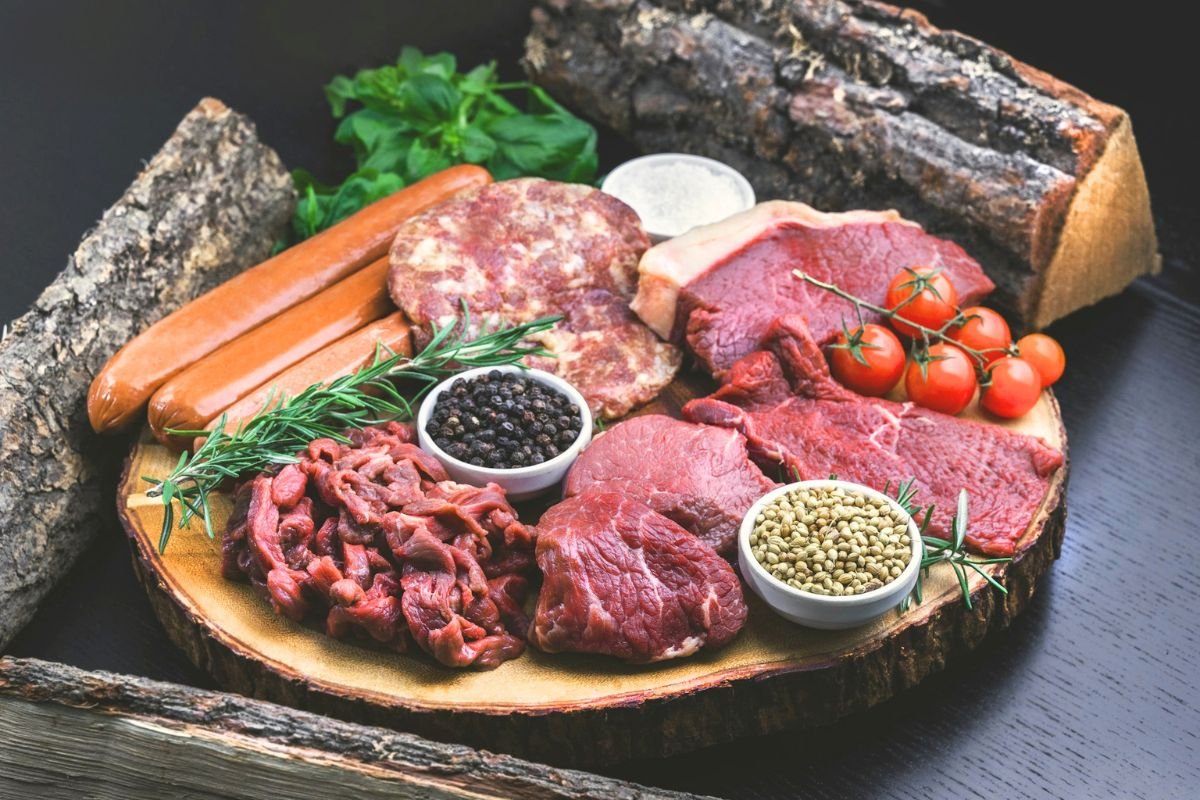
Red meat provides valuable nutrients, including protein, iron, zinc, and vitamin B12. The concern is not the occasional serving but the amount consumed, how it is processed, and, in some cases, how the animals are raised.
Processed meats often contain high levels of salt, preservatives, and other additives, while many cuts of red meat are relatively high in saturated fat.
Over time, diets high in processed meat have been associated with poorer cardiovascular health. Since healthy blood vessels are essential for delivering oxygen and nutrients to the brain, this may also increase the risk of cognitive decline.
Several large studies have linked higher intakes of processed red meat with a greater risk of dementia. Researchers are also exploring whether excess iron accumulation in the brain contributes to neurodegenerative diseases, although this remains an active area of research.
Alcohol
Alcohol is another area where moderation matters.
Heavy drinking over many years can damage brain cells and increase the risk of alcohol-related cognitive impairment. Drinking less, or avoiding alcohol altogether, is one of the best choices you can make for long-term brain health.
Highly Processed Foods and Added Sugar
Highly processed foods, refined grains, sugary drinks, sweets, confectionery, and many desserts deserve attention as well.
These foods often provide large amounts of refined carbohydrates, added sugars, and calories while offering relatively little nutritional value. Regularly eating large amounts can contribute to obesity, type 2 diabetes, and cardiovascular disease, all of which are linked with a higher risk of dementia and cognitive decline.
That does not mean you should never enjoy dessert or celebrate special occasions. It simply means these foods are best treated as occasional pleasures rather than everyday staples.
Looking After Your Brain Starts Today
If you or someone you love has started becoming more forgetful, finding it harder to concentrate, or noticing changes in memory, today’s information offers a meaningful place to begin.
Healthy eating cannot promise perfect memory, nor can it prevent every neurological disease or condition. Even so, choosing foods that support brain function gives your brain the nutrients it needs to perform at its best throughout life.
Of course, food is only one part of the picture.
Regular exercise, restorative sleep, staying socially connected, challenging your mind, managing blood pressure and diabetes, avoiding smoking, and caring for your hearing all play important roles in protecting long-term brain health.
Every Meal Is an Investment in Your Future

Our brains shape every conversation we have, every memory we treasure, every problem we solve, and every person we love.
Most of us rarely think about them until something begins to change.
The encouraging reality is that healthy ageing is built one day at a time. It grows from the meals we prepare, the walks we take, the sleep we protect, and the small decisions we make again and again.
No single food holds the secret to lifelong memory. Yet every nourishing meal is another opportunity to support your brain health and care for the remarkable organ that makes every part of life possible.
Your future self may never know which meal made the difference.
But your brain will benefit from every healthy choice you make along the way.
People Also Ask
Frequently Asked Questions About Foods for Brain Health
Can food really improve brain health?
Yes. While no single food can prevent dementia or guarantee perfect memory, research suggests that eating a diet rich in vegetables, berries, nuts, seeds, whole grains, healthy fats, and oily fish can support brain health, improve cognitive function, and help reduce the risk of age-related cognitive decline. Nutrition works best alongside regular exercise, quality sleep, stress management, and other healthy lifestyle habits.
What are the best foods for brain health?
Some of the best foods for brain health include dark leafy greens, berries, walnuts, almonds, salmon, sardines, broccoli, pumpkin seeds, flaxseeds, extra virgin olive oil, and a variety of herbs and spices. These foods provide nutrients such as omega-3 fatty acids, antioxidants, vitamins, minerals, and plant compounds that help support normal brain function.
Which foods may help improve memory?
Foods that may help support memory include blueberries, leafy green vegetables, walnuts, oily fish, pumpkin seeds, and foods rich in omega-3 fatty acids. These foods contain nutrients linked with healthy brain function, although they work best as part of an overall healthy eating pattern rather than as individual u0022memory foods.u0022
Can diet reduce the risk of dementia?
A healthy diet cannot completely prevent dementia, but research suggests it may help lower the risk. Dietary patterns such as the Mediterranean diet and the MIND diet have been associated with better cognitive health and a slower rate of age-related cognitive decline. Maintaining a healthy weight, staying physically active, and managing blood pressure are also important.
What foods should I avoid for better brain health?
Limiting highly processed foods, processed meats, sugary drinks, refined carbohydrates, and excessive alcohol may help support long-term brain health. These foods have been linked with conditions such as obesity, type 2 diabetes, and cardiovascular disease, which are associated with an increased risk of cognitive decline.
Is olive oil good for the brain?
Yes. Extra virgin olive oil contains heart-healthy monounsaturated fats and antioxidant polyphenols that have been linked with better brain and cardiovascular health. It is a key component of the Mediterranean diet and can be used in salad dressings, drizzled over cooked vegetables, or added to many everyday meals.
Are omega-3 fatty acids important for brain health?
Yes. Omega-3 fatty acids, particularly DHA and EPA found in oily fish, play an important role in maintaining healthy brain cell membranes and supporting communication between nerve cells. Research suggests that diets rich in omega-3s are associated with healthier brain ageing and better cognitive function.
Is it ever too late to start eating for brain health?
No. Although healthy habits are most beneficial when adopted early in life, research suggests that improving your diet at any age can support overall health, including brain health. Every positive change, no matter how small, is a step towards supporting your memory and cognitive wellbeing.