Curcumin Benefits: What the Science Really Says About Turmeric’s Most Powerful Compound
01 SEPTEMBER 2026
Every family has a doctor, and that doctor is often the person who does the cooking.
The meals we prepare day after day don’t just fill empty stomachs. Over time, they help shape the health of the people we love most. Long before we think about prescriptions or supplements, many of the choices that influence our wellbeing begin in the kitchen.
Recently, I’ve seen countless claims online praising turmeric powder and highlighting the remarkable curcumin benefits researchers continue to investigate. Some articles suggest it can prevent disease, while others claim it can treat almost anything. Turmeric is certainly an interesting and promising spice, but there is also plenty of confusion surrounding it.
So rather than relying on headlines or social media posts, let’s take a closer look at what the scientific evidence actually tells us.
But separating fact from hype isn’t always easy.
What exactly is turmeric powder? What is curcumin, and how is it different from turmeric? If you’ve ever searched turmeric vs curcumin, you’ve probably discovered conflicting answers. Are they interchangeable? Do they offer the same health effects? And if the reported curcumin benefits are real, who might benefit from taking a supplement, and who should be cautious?
Those are the questions we’ll explore together.
What Is Turmeric?
Before we look at the research, it’s worth clearing up one of the biggest sources of confusion. Turmeric and curcumin are not the same thing.
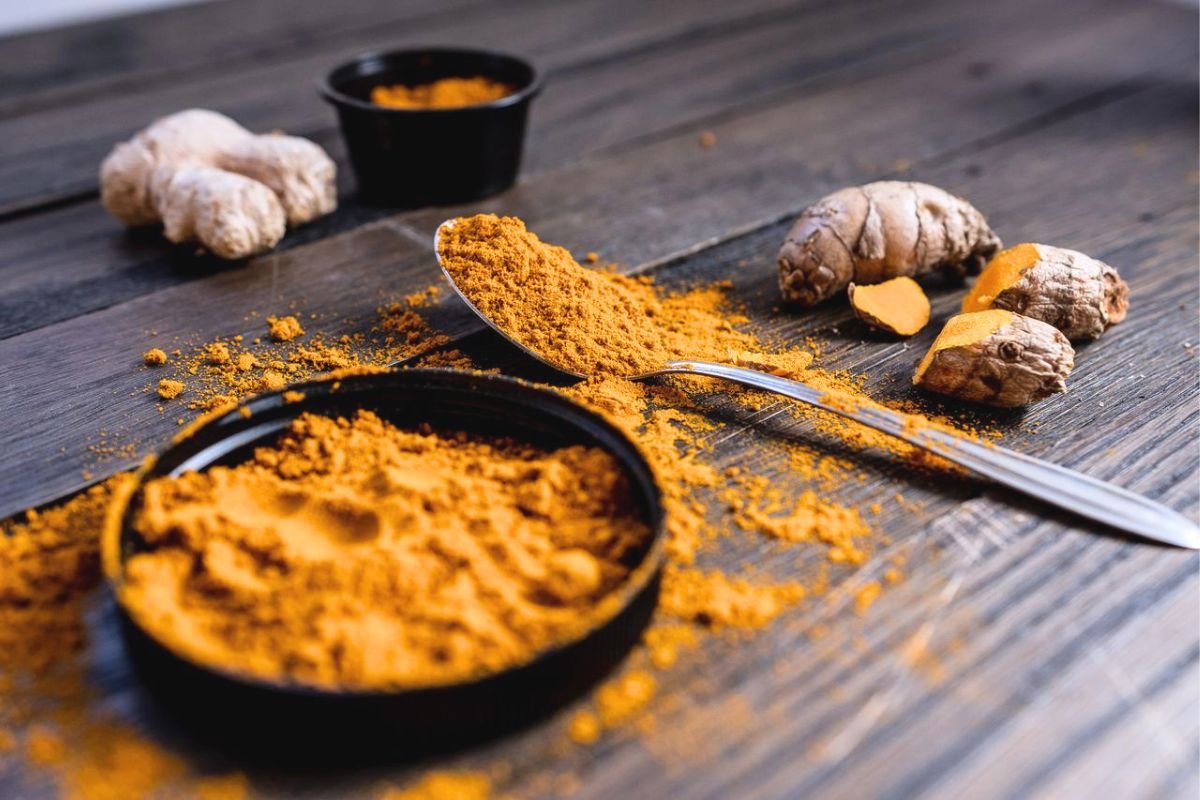
Turmeric is the underground stem (rhizome) of a flowering plant in the ginger family. Native to South Asia, it has been used for centuries as both a culinary spice and a traditional herbal medicine. Its warm, earthy flavour and vibrant golden colour have made it a staple ingredient in countless dishes around the world.
In traditional Chinese medicine (TCM), turmeric and related turmeric-derived herbs are believed to help regulate the flow of qi (vital energy), promote blood circulation, reduce what is described as blood stasis, and help resolve certain patterns of dampness. Rather than being used alone, they are traditionally prescribed alongside other herbs as part of an individualised treatment plan.
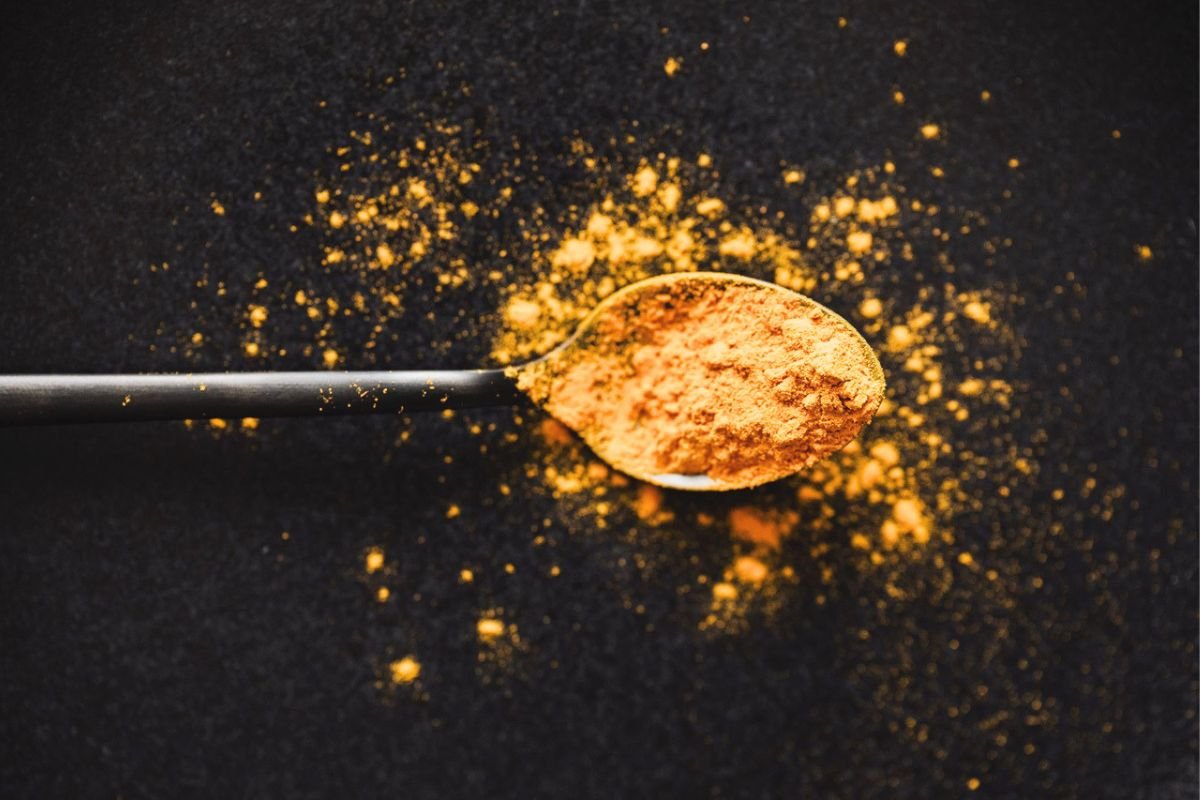
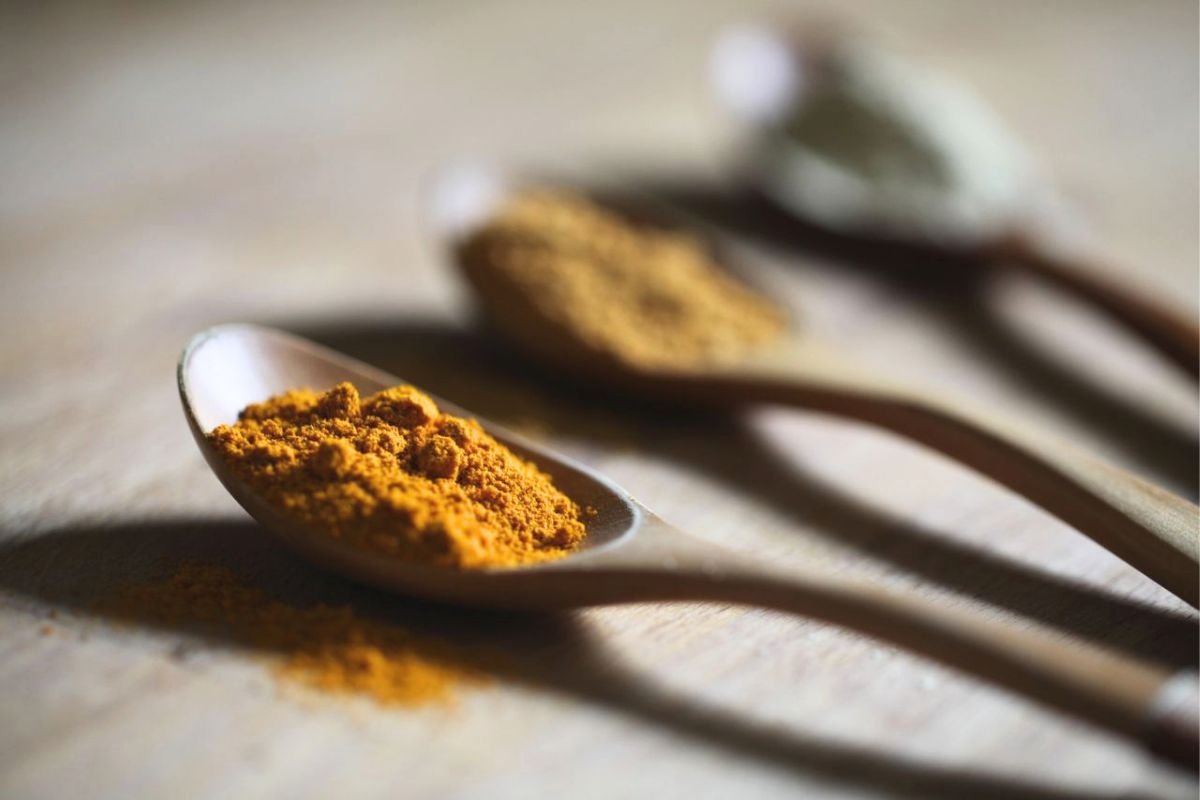
The turmeric powder found in most supermarkets is simply dried turmeric rhizome that has been ground into a fine powder. It’s an enjoyable way to add flavour and colour to food, but it isn’t the same as taking a concentrated curcumin supplement.
What Is Curcumin and How Is It Different from Turmeric?
So, what is curcumin?
Curcumin is the principal natural polyphenol found in turmeric. It belongs to a family of plant compounds known as curcuminoids and is largely responsible for turmeric’s distinctive golden-yellow colour. In fact, curcumin is widely used around the world as a natural food colouring because of its rich pigment.
This is where many people become confused.
Although turmeric naturally contains curcumin, it does so in relatively small amounts. Depending on the variety and growing conditions, curcuminoids make up only a small percentage of dried turmeric, with curcumin itself typically accounting for around 2 to 5% by weight.
There’s another challenge too.
Curcumin has relatively poor bioavailability, meaning our bodies absorb and use only a small proportion of it when consumed on its own. As a result, the amount of curcumin obtained from everyday culinary turmeric is modest, and many of the reported health benefits of curcumin come from studies using concentrated curcumin supplements rather than turmeric used in cooking.
Understanding this distinction helps explain why the phrases turmeric and curcumin are often used interchangeably online, even though they are not the same thing.
With that in mind, let’s look at seven areas where curcumin has attracted the greatest scientific interest. Most of what we know comes from laboratory research, animal studies, and human clinical trials involving concentrated curcumin extracts. While many findings are encouraging, research is still evolving, and in several areas the evidence remains mixed.
Why Researchers Are Studying the Health Benefits of Curcumin
One of the reasons scientists have become increasingly interested in curcumin is that it appears to influence several biological pathways linked to inflammation, oxidation, and cellular signalling.
Rather than targeting just one process, curcumin interacts with a wide range of molecules throughout the body. This has led researchers to investigate whether it may support health in several different ways. It’s an exciting field of study, but it’s also one where careful interpretation is important. Laboratory findings don’t always translate into meaningful clinical benefits, which is why high-quality human studies remain essential.
Let’s begin with the area where the evidence is currently strongest.
1. Supporting a Healthy Inflammatory Response
One of the most widely studied curcumin benefits is its ability to support a healthy inflammatory response, which may also contribute to pain relief in certain conditions.
Inflammation often gets a bad reputation, but in many situations it is actually one of the body’s most important defence mechanisms. When bacteria, viruses, or other harmful substances enter the body, the immune system responds by triggering an inflammatory reaction that helps eliminate the threat and begin the healing process.
In the short term, this response is both normal and beneficial. It is generally not something we want to suppress unnecessarily. Medical treatment usually becomes necessary only when inflammation is excessive, prolonged, or begins damaging healthy tissue.
The picture changes when inflammation never fully switches off.
A growing body of research suggests that chronic inflammation is associated with many long-term conditions, including cardiovascular disease, type 2 diabetes, certain cancers, and neurodegenerative diseases such as dementia. While chronic inflammation is unlikely to be the sole cause of these illnesses, it appears to play an important role in their development and progression.
One reason researchers find curcumin so interesting is its ability to influence NF-κB (nuclear factor kappa B), a protein complex involved in regulating inflammation and immune responses. By affecting this pathway, along with several others, curcumin has become an important focus of inflammation research.
Scientists have investigated whether curcumin supplements may help people living with conditions such as osteoarthritis, rheumatoid arthritis, chronic pain, periodontal disease, inflammatory bowel disease, and some functional digestive disorders. Many studies have reported encouraging findings, particularly for osteoarthritis, but further high-quality clinical trials are still needed before firm conclusions can be drawn.
2. Helping Protect Cells from Oxidative Stress
Another reason researchers continue exploring the health benefits of curcumin is its impressive antioxidant activity.
Every day, our bodies naturally produce molecules called free radicals as part of normal metabolism. Despite their negative reputation, these unstable molecules aren’t always harmful. In healthy amounts, they perform useful functions, including helping the immune system defend against infection.
Problems arise only when their production exceeds the body’s ability to keep them under control, creating a state known as oxidative stress.
Smoking, chronic psychological stress, air pollution, excessive sun exposure, poor diet, obesity, and certain diseases can all increase oxidative stress. Over time, this imbalance may contribute to damage affecting cells, proteins, and even DNA, which is why antioxidants have attracted so much scientific interest.
Curcumin is only one of many naturally occurring antioxidants found in food. Nutrients such as vitamin C also help protect cells from oxidative stress, although they work through different biological mechanisms. Curcumin, however, appears to act as an antioxidant in two important ways.
Curcumin can neutralise certain free radicals directly, while also helping activate the body’s own antioxidant defence systems, including protective enzymes that limit oxidative damage.
This combination of anti-inflammatory and antioxidant activity is one of the main reasons researchers continue investigating curcumin across such a wide range of health conditions. While many questions remain unanswered, these two properties provide a strong scientific foundation for much of the research that follows.
3. Supporting Brain Health and Cognitive Function
Perhaps the area where curcumin has generated the greatest public interest is its potential to support brain health and cognitive function.
As we grow older, many of us begin thinking more about preserving our memory. Forgetting where we left our keys is one thing. Maintaining the ability to recognise loved ones, enjoy conversations, and remain independent is something else entirely. It’s no surprise that researchers have devoted considerable attention to understanding how the brain changes with age and whether nutrition might play a supportive role.
While no single food or supplement can guarantee lifelong cognitive health, research increasingly shows that overall dietary patterns matter far more than any single ingredient. That’s why scientists continue to recommend eating a wide variety of foods that support brain health rather than relying on individual supplements alone.
One area of interest involves brain-derived neurotrophic factor (BDNF), often described as one of the brain’s most important growth proteins.
Laboratory and some human studies have shown that curcumin may help increase levels of BDNF, which plays a vital role in the growth, survival, and maintenance of brain cells. It helps strengthen connections between neurons, supports learning, and may even encourage the formation of new neurons in certain regions of the brain.
Curcumin is also able to cross the blood-brain barrier, although only in relatively small amounts. Even so, this ability has made it an important focus of research into cognitive health and healthy brain ageing.
BDNF is particularly abundant in the hippocampus, a region of the brain closely involved in learning and memory. Interestingly, lower BDNF levels have been linked with several neurological and psychiatric conditions, although scientists are still working to understand exactly how these relationships develop.
Researchers believe that Alzheimer’s disease involves a combination of chronic inflammation, oxidative stress, and the accumulation of abnormal proteins, including amyloid-beta plaques and tau tangles. Laboratory studies suggest curcumin may influence several of these biological processes. However, human clinical trials have so far produced mixed results, partly because curcumin’s limited bioavailability makes it difficult to achieve therapeutic levels within the body.
Although the evidence remains inconclusive, researchers continue investigating whether curcumin could one day play a supportive role alongside established treatments for conditions such as Alzheimer’s disease and Parkinson’s disease. At present, however, there is not enough evidence to recommend curcumin as a treatment for either condition.
4. Supporting Emotional Wellbeing
The conversation around curcumin benefits doesn’t stop with physical health. Researchers have also explored whether curcumin could play a role in supporting emotional wellbeing.
Curcumin appears to influence several biological processes involved in mood regulation. Some studies suggest it may help increase the activity of important neurotransmitters, including serotonin, dopamine, and noradrenaline, although scientists are still investigating exactly how these effects occur.
These chemical messengers allow nerve cells to communicate with one another and play important roles in mood, motivation, sleep, learning, and many other aspects of everyday life.
Anyone who has experienced depression, either personally or through someone they care about, knows it rarely has a single cause. Genetics, life experiences, hormonal changes, inflammation, and changes in brain chemistry may all contribute. Increasingly, researchers also recognise that chronic inflammation and oxidative stress may play a part for at least some people.
Because curcumin possesses both anti-inflammatory and antioxidant properties, scientists have investigated whether it might help relieve depressive symptoms.
Several human clinical studies have reported modest improvements, particularly when curcumin supplements were used alongside standard medical treatment rather than instead of it. While these findings are encouraging, further research is needed to determine who is most likely to benefit, what dose is most effective, and how long treatment should continue.
Like many areas of nutritional research, the story is encouraging, but it is not yet complete.
5. Supporting Heart and Cardiovascular Health
Our hearts work tirelessly every minute of every day, usually without asking for much in return. Looking after cardiovascular health is one of the most important investments we can make for our future wellbeing, which is another reason curcumin continues to attract scientific attention.
One area researchers have focused on is the vascular endothelium, the thin layer of cells lining the inside of our blood vessels.
Healthy endothelial cells do far more than simply transport blood. They help regulate circulation, blood clotting, inflammation, and the widening and narrowing of blood vessels. When this delicate lining becomes damaged, the risk of conditions such as atherosclerosis, high blood pressure, heart attack, and stroke increases.
Through its anti-inflammatory and antioxidant actions, curcumin may help support healthy endothelial function and reduce some of the biological processes associated with cardiovascular disease.
Some clinical studies have also reported modest improvements in blood pressure, cholesterol levels, and other cardiovascular risk factors. However, the results have not always been consistent, and larger studies are still needed before firm recommendations can be made.
Interestingly, long before modern medicine began studying endothelial cells, traditional Chinese medicine regarded turmeric as a herb that could help promote healthy circulation and reduce what it describes as blood stasis. While these traditional concepts differ from modern medical science, they reflect turmeric’s long history as a valued medicinal plant.
6. Exploring Its Potential Role in Cancer Research
Few topics generate more headlines than the possibility that a natural compound might help prevent or fight cancer.
It’s an understandable hope. Cancer affects millions of families around the world, and researchers continue searching for new ways to reduce risk and improve treatment outcomes.
Cancer develops when abnormal cells begin growing uncontrollably, evade the body’s normal regulatory systems, and sometimes spread to other parts of the body.
Because cancer is such a complex disease, scientists rarely expect a single compound to provide all the answers. Instead, they investigate whether naturally occurring substances like curcumin might complement existing treatments or influence some of the biological pathways involved in cancer development.
Laboratory and animal studies have shown that curcumin can affect several of these pathways. These include helping regulate abnormal cell growth, encouraging damaged cells to undergo apoptosis (programmed cell death), reducing the formation of new blood vessels that feed tumours (angiogenesis), and limiting the ability of some cancer cells to invade surrounding tissues.
These findings have fuelled considerable interest in the possible health benefits of curcumin within cancer research.
However, it is important to keep the evidence in perspective.
Most of what we currently know comes from laboratory and animal studies. Human clinical trials remain relatively limited, and at present there is no convincing evidence that curcumin alone can prevent or treat cancer.
Researchers continue exploring whether curcumin may one day have a supportive role alongside conventional cancer therapies, but much more research is needed before any firm conclusions can be drawn.
7. Supporting Liver Function and Metabolic Health
We often don’t think about our liver until something goes wrong, yet it performs hundreds of essential tasks every single day.
The liver helps process nutrients, stores energy, produces important proteins, removes waste products, and regulates the metabolism of carbohydrates, fats, and proteins. Without it, life simply wouldn’t be possible.
When liver function becomes impaired, it can contribute to metabolic disorders such as fatty liver disease, insulin resistance, abnormal cholesterol levels, obesity, and type 2 diabetes.
Because curcumin has both antioxidant and anti-inflammatory properties and can influence signalling pathways such as NF-κB, researchers have investigated whether it may help protect liver cells from damage and support normal metabolic function.
Some human clinical studies suggest that curcumin supplements may modestly improve blood sugar control, cholesterol and triglyceride levels, markers of fatty liver disease, and certain indicators of liver function.
While these findings are encouraging, the results vary between studies, and the improvements should be viewed as supportive rather than curative. Curcumin is not a substitute for medical treatment or for the healthy lifestyle habits that remain the foundation of good metabolic health.
It’s also worth remembering that the liver is already remarkably efficient at carrying out its own detoxification processes. Rather than saying curcumin “boosts detoxification,” it is more accurate to say that ongoing research suggests it may help support normal liver function under certain circumstances.
How to Choose Curcumin Supplements Wisely
By now, you might be wondering whether it’s worth adding one of the many curcumin supplements on the market to your daily routine.
Before you do, there are a few important things worth knowing.
One of the biggest reasons curcumin has challenged researchers isn’t a lack of potential. It’s the simple fact that our bodies don’t absorb it very well.
Why Bioavailability Matters
Perhaps the greatest limitation of curcumin is its relatively poor bioavailability, meaning only a small amount is absorbed and used by the body when taken on its own.
To overcome this, many well-formulated supplements include ingredients or delivery systems designed to improve absorption.
One of the most common is piperine, a natural compound extracted from black pepper. Studies have shown that piperine can increase curcumin absorption substantially by slowing its breakdown in the digestive tract.
Improving absorption is only one part of the nutritional picture. Scientists are also increasingly interested in how the gut microbiome influences overall health, immunity, and even inflammation, reminding us that nutrition works through many interconnected pathways.
Other manufacturers use different approaches. Some combine curcumin with phospholipids, such as lecithin, while others use specialised formulations designed to improve stability and absorption.
Although these technologies may improve how much curcumin reaches the bloodstream, they don’t necessarily mean one product is universally better than another. Product quality, manufacturing standards, dosage, and the evidence supporting a particular formulation all deserve careful consideration.
Are All Curcumin Supplements the Same?
Another question that occasionally appears online concerns the different curcuminoids naturally present in turmeric.
Curcumin supplements typically contain three main curcuminoids:
- Curcumin (C1)
- Demethoxycurcumin (C2)
- Bisdemethoxycurcumin (C3)
All three are biologically active, and researchers continue studying their individual properties.
Some laboratory studies suggest that bisdemethoxycurcumin (C3) may possess certain advantages in specific experimental settings. However, there is currently no convincing clinical evidence that C3 is consistently the most effective form for human health.
For most people, the overall quality of the supplement, its total curcuminoid content, and its ability to improve bioavailability are likely to be far more important than the proportion of any individual curcuminoid.
Curcumin Supplement Safety: What You Should Know
Although curcumin is a plant-derived compound and is generally well tolerated, “natural” does not automatically mean suitable for everyone.
Like any supplement with biological activity, curcumin should be used thoughtfully, particularly when taken in concentrated doses over long periods.
People with bleeding disorders, low platelet counts, or those taking blood-thinning medications should speak with their healthcare professional before using curcumin supplements, as curcumin may increase the risk of bleeding.
People with gallstones or bile duct obstruction should also exercise caution because curcumin can stimulate bile flow, which may worsen these conditions.
Pregnant women are generally advised not to take high-dose curcumin supplements, as there is currently insufficient evidence to confirm their safety during pregnancy. Fortunately, the amounts of turmeric powder commonly used in cooking are generally considered safe as part of a normal diet.
If you take prescription medication, it’s also sensible to speak with your doctor or pharmacist before starting a curcumin supplement. Curcumin may interact with certain medicines, including blood thinners, some diabetes medications, and drugs that are metabolised by the liver.
As with any supplement, individual circumstances matter. What may be appropriate for one person may not be appropriate for another.
Looking Beyond the Headlines
The internet has a habit of turning almost every promising food into a miracle cure.
Nutrition advice often spreads much faster than the evidence behind it, which is why many long-held beliefs about food are worth taking a closer look at before accepting them as fact.
One week it’s blueberries.
The next, it’s olive oil.
Then it’s coffee, dark chocolate, or turmeric.
The truth is usually far less dramatic, but often far more interesting.
The growing body of research suggests there are genuine health benefits of curcumin, particularly in relation to inflammation and oxidative stress. Other areas, including brain health, cardiovascular health, and metabolic health, continue to show promise, although much of the research is still developing.
That’s both exciting and worth remembering.
Science rarely moves in headlines. It advances one careful study at a time, gradually building a clearer picture. Sometimes early enthusiasm is confirmed. Sometimes it isn’t. The most reliable conclusions almost always come from patience rather than promises.
Perhaps that’s why it’s helpful to remember the difference between turmeric vs curcumin.
Turmeric is a wonderfully versatile spice that has earned its place in kitchens around the world through centuries of cooking and traditional use. Curcumin is one of its most fascinating natural compounds, now being investigated through the lens of modern science.
They come from the same plant, but they are not the same thing, and understanding that distinction is one of the keys to making informed decisions about both food and supplements.
The Small Choices That Shape Our Health
When I began this article, I shared a simple thought:
Every family has a doctor, and that doctor is often the person who does the cooking.
The more I think about that idea, the more meaningful it becomes.
Because it’s shaped by the meals we prepare, the walks we take, the sleep we protect, the relationships we nurture, and the countless small choices we repeat, often without noticing, day after day.
The growing research into curcumin benefits continues to remind us that nutrition is rarely about finding a single miracle ingredient. Curcumin is an intriguing compound, and the evidence surrounding it continues to grow. It may well become an increasingly valuable part of evidence-based nutrition in the years ahead.
Yet perhaps its greatest lesson is a broader one.
Real health isn’t usually built through dramatic changes or miracle cures.
More often, it’s built one thoughtful choice at a time.
And sometimes, those choices begin with something as simple as preparing a meal for someone you love.
Explore More
If you enjoyed exploring the science behind curcumin, you may also find these evidence-based articles helpful:
- Discover how everyday foods can help support memory and healthy brain ageing → (Post 098)
- Learn why vitamin C deserves far more attention than it usually receives → (Post 070)
- Explore how the gut microbiome influences digestion, immunity, and overall wellbeing → (Post 065)
- Separate popular food beliefs from what the evidence actually shows → (Post 007)
People Also Ask
Frequently Asked Questions About Curcumin
Is curcumin the same as turmeric?
No. Turmeric is the whole root of a plant in the ginger family, while curcumin is one of the natural compounds found within turmeric. Curcumin is responsible for much of turmeric’s yellow colour and is the ingredient most often studied for its potential health benefits. Because turmeric contains only a small amount of curcumin, the two terms should not be used interchangeably.
What are the main health benefits of curcumin?
Research suggests that curcumin may help support a healthy inflammatory response and protect cells from oxidative stress. Scientists are also investigating its potential role in supporting brain health, cardiovascular health, liver function, and metabolic health. While many findings are promising, further high-quality human studies are still needed in several areas.
Does turmeric powder provide the same benefits as curcumin supplements?
Not necessarily. Turmeric powder contains only a relatively small amount of curcumin, and curcumin is absorbed poorly by the body. Many studies reporting significant health benefits have used concentrated curcumin supplements formulated to improve absorption rather than culinary turmeric used in cooking.
Why is curcumin difficult for the body to absorb?
Curcumin has naturally low bioavailability, meaning only a small proportion is absorbed and used by the body when consumed on its own. For this reason, many supplements include ingredients such as piperine from black pepper or specialised delivery systems that help improve absorption.
Is it safe to take curcumin every day?
Curcumin is generally well tolerated by most healthy adults when taken at appropriate doses. However, high-dose supplements may not be suitable for everyone. People taking blood-thinning medications, those with bleeding disorders or gallbladder disease, and anyone who is pregnant or taking prescription medicines should speak with a healthcare professional before using curcumin supplements.
Can curcumin prevent or cure cancer?
Current evidence does not support using curcumin as a treatment or cure for cancer. Although laboratory and animal studies have shown encouraging results, human clinical trials remain limited. Researchers continue to study whether curcumin may have a supportive role alongside conventional cancer treatments, but much more research is needed.
Should I get curcumin from food or supplements?
For most people, enjoying turmeric as part of a balanced diet is a simple and nutritious choice. Curcumin supplements may be appropriate in some situations, but they should be selected carefully and used with medical advice when necessary. Food and supplements serve different purposes and should not be viewed as direct equivalents.
How do I choose a good curcumin supplement?
Look for products from reputable manufacturers that clearly state their curcuminoid content and use evidence-based methods to improve bioavailability, such as piperine or phospholipid formulations. It’s also worth checking whether the supplement has undergone third-party quality testing and whether it is appropriate for your individual health needs.