Aging Gracefully: Why Saying Less Often Says More

28 OCTOBER 2025
Be Someone Who Knows How to Keep Quiet, It Might Just Bring You More Peace
There’s a quote often attributed to Ernest Hemingway:
“It takes three years to learn to talk, but a lifetime to learn to keep quiet.“
The truth behind it is hard to deny.
So many of life’s conflicts don’t come from cruelty or bad intentions, but simply from speaking without thinking. We say something we didn’t quite mean, or say it at the wrong time, and suddenly tension follows. Speaking well is a skill. But knowing when not to speak? That takes something deeper: self-discipline.
In the Quiet, There’s Strength
Especially as we grow older, there’s a quiet power in learning to observe more and react less. Maybe it’s wisdom, or maybe it’s just the gift of experience, either way, it teaches us that not everything needs to be said aloud.
There’s that familiar old saying: “We have two ears and one mouth so we can listen twice as much as we speak.” It’s not scientific, but it is practical. Listening more and talking less often leads to fewer regrets, fewer complaints, and fewer misunderstandings.
Words Carry More Weight with Age
As the years go on, our words tend to land with more weight. People expect a certain thoughtfulness from those who’ve lived longer, seen more, felt deeper things. And truthfully, sometimes saying less is the most powerful thing we can do.
When we speak with intention and patience, it shows emotional maturity. It gives others space. It also signals humility, not the kind that shrinks us, but the kind that shows we’re still growing too.
Think First, Then Decide if It’s Worth Saying
It’s easy to get frustrated with today’s fast pace, shifting values, or unfamiliar attitudes. But reacting impulsively rarely helps. In moments like these, there’s a kind of grace in pausing. Ask yourself: Is this worth saying right now? Is it helpful? Often, silence offers more peace than any pointed comment.
Being someone who thinks deeply and speaks mindfully isn’t about being passive. It’s about choosing your words with care, and knowing when to simply let something be.
Don’t Gossip About Other People’s Business
One of the kindest habits we can carry into our later years is learning not to comment on things that aren’t ours to judge.
Picture this: a retired father visits his son to meet his new girlfriend for the first time. A woman walks in wearing yoga pants and a hoodie after a long shift at work. Without asking who she is, the father assumes she’s the housekeeper and makes a few snide remarks about “how lazy women are today” and how they only want money. Moments later, he learns that she’s the woman his son is dating. The damage is done. She’s hurt, his son is embarrassed, and from then on, every future gathering carries tension.
Even if you don’t mean harm, words like that can leave wounds.
Listening Is a Kind of Love
We all want to express ourselves. That’s human. But as we get older, there’s a certain wisdom in holding back, especially when it comes to judging others.
Gossip, criticism, or careless opinions rarely bring people closer. In fact, they often do the opposite. When you resist the urge to comment on someone else’s choices or circumstances, you protect your peace, and theirs.
Restraint isn’t silence out of fear. It’s grace in motion. And the fewer unnecessary words we let slip, the more room we create for calm, connection, and kindness.
No Matter How Successful You Are, Don’t Preach

As we age, one of the kindest things we can do, for others and ourselves, is to speak less and listen more, especially when it comes to giving advice.
Let Your Presence Speak Louder Than Your Words
Take, for instance, a retired tech executive who once led a booming start-up in Silicon Valley. Now in her late 60s, she’s regularly invited to networking events where young entrepreneurs look to her for guidance. But instead of launching into long lectures, she shares what worked for her, asks thoughtful questions, and listens without judgment.
Her calm, respectful style puts people at ease. She’s not just admired for her success, but for her humility. That’s why she’s always welcomed back, not because she tells others what to do, but because she knows when to simply hold space.
Experience Doesn’t Equal Authority
It’s tempting, after all we’ve seen and endured, to believe we know what’s best. But everyone is shaped by different circumstances. What worked for you might not work for someone else. And sometimes, the best way to grow is through the trial and error of your own detours.
When we use our life story as a tool to override others, or mock their inexperience, we don’t come across as wise. We come across as condescending. If you truly want to support someone, let your life be the quiet example, not a pointed lecture. Listen first. Offer insight gently, and only when asked.
No matter how accomplished you are, there’s no need to preach. A little silence, paired with kind encouragement, will go much further than a monologue dressed as advice.
At Any Age, Don’t Complain or Play the Victim
As we grow older, one habit that can quietly erode peace is constant complaining, especially about money, missed opportunities, or how unfair life has been. It’s not that the feelings are invalid. But carrying them on our sleeves every day slowly wears down our sense of power.
Some Things Are Better Carried Quietly
The French writer Romain Rolland once said,
“Some things can’t be told to others. Some things don’t need to be told. Some things simply can’t be expressed. And some things, even if you do share them, you’ll immediately regret it.“
There’s a kind of wisdom in knowing when to share, and when to bear something quietly, not because you’re bottling it up, but because you’re choosing strength over sympathy.
Strength Is Built in the Quiet Work
Life isn’t always easy, and aging doesn’t make everything simpler. But the people who move forward aren’t the ones who complain the loudest, they’re the ones who pause, reflect, and ask themselves what to do next.
If you’re unhappy with your current situation, ask yourself: What can I do from here? What’s one small thing I can do today that my future self will thank me for?
Complaining might get you a moment of sympathy, but it won’t carry you where you need to go. And it can quietly chip away at your own sense of self and your relationships.
You Still Hold the Pen
Even in your later years, your story is still being written. The chapters ahead are yours to shape, no matter how the earlier ones played out. Life hands everyone their share of hardship. But effort, consistency, and self-responsibility often lead to peace, and sometimes even joy.
The less you complain, the lighter you begin to feel. Not because everything is suddenly perfect, but because you’re walking forward again. And that feeling, of quiet strength, can be more comforting than any words ever spoken.
As You Grow Older, Stay Humble, Speak Less, and Live Peacefully
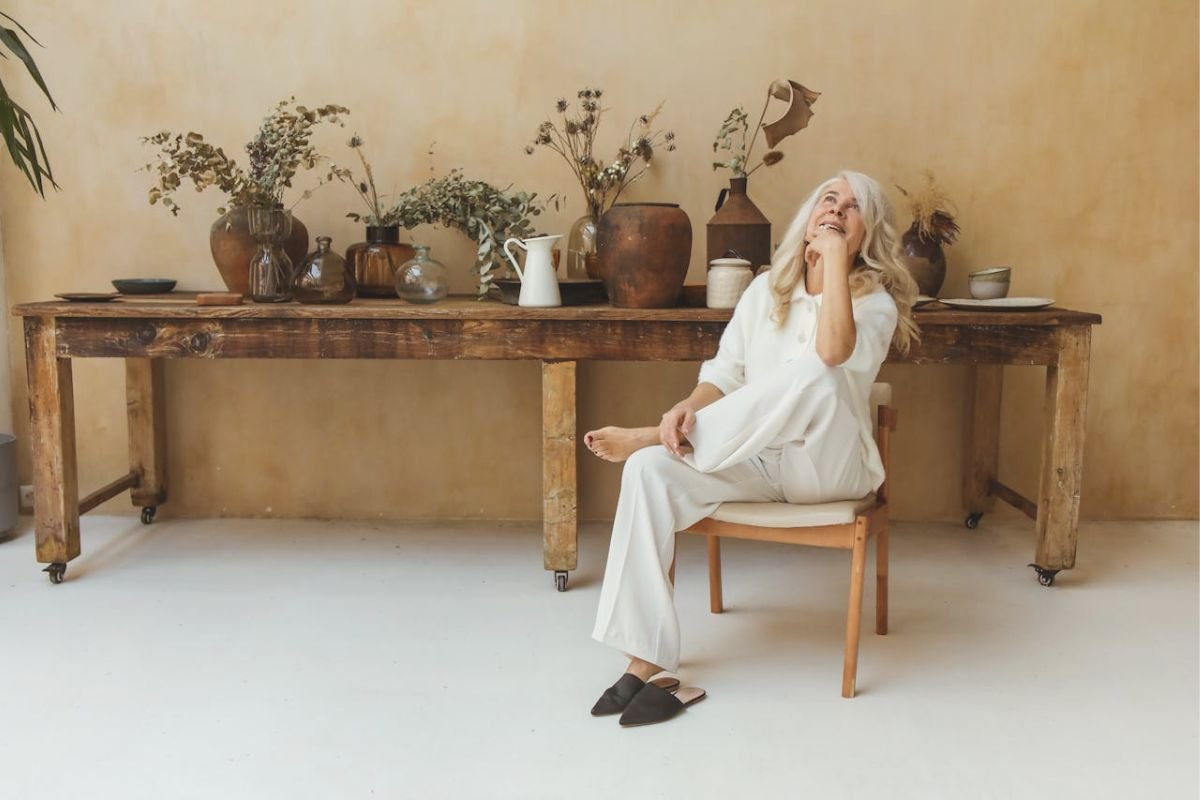
As we get older, there’s something comforting about slowing down, staying grounded, and letting go of the urge to always speak our minds.
Keeping a low profile doesn’t mean you’ve lost your voice. It means you’ve gained the wisdom to know that peace rarely comes from proving a point, it comes from within.
Say Less, Feel More
In conversations, the value of silence often outweighs the need to be heard. Sometimes, choosing not to chime in brings more blessings than we expect. With time, we learn that not every thought needs to be voiced, and not every disagreement needs to be resolved out loud.
The German writer Goethe once said, “Those who haven’t eaten bread soaked with tears do not know the true taste of life.”
Life brings its share of hardship, and with it comes perspective. That quiet understanding often leads to a softer, more compassionate way of moving through the world.
Stillness Can Be Strength
With age, our words tend to carry more weight. Bluntness may feel honest, but it can also create discomfort or distance. Emotional maturity means knowing when to speak with care, and when to hold back altogether.
Managing your tone, your reactions, and your timing becomes one of the most important social skills later in life. Relationships are delicate. In most moments, saying less protects not just others, but also your own peace of mind.
Silence, when chosen wisely, is not weakness. It’s self-mastery.
Dignity in Discretion
Choosing your words carefully is a quiet form of self-respect. Being discreet isn’t about hiding, it’s about honouring the space between people. It’s knowing when not to interfere, when not to judge, and when to let life speak for itself.
The less we carry: complaints, gossip, opinions about things that don’t concern us, the lighter and freer we begin to feel.
There’s real peace in that lightness. And peace, perhaps more than anything else, is the hidden treasure of growing older.
What Quiet Teaches Us
At the very beginning, we talked about the old saying: “It takes three years to learn to talk, but a lifetime to learn to keep quiet.”
Maybe that’s the quiet work of aging, not just collecting experiences, but learning how to carry them gently. Learning when to speak with intention, when to stay silent out of kindness, and how to move through life without the need to prove, correct, or dominate.
You don’t have to be loud to be heard.
You don’t have to explain yourself to have value.
And you certainly don’t need to preach, gossip, or complain to stay connected.
Sometimes, the most powerful thing you can offer the world is your calm presence.
Sometimes, peace begins with simply keeping your mouth, and your heart, just a little quieter.