Make Work Your Hobby: How to Turn Everyday Effort into Lasting Happiness

09 DECEMBER 2025
The Top 5 “Unhappy” Hobbies
Let’s start with a list. These are the five hobbies I once thought of as the most likely to chip away at our happiness.
Fifth place: Just watching sports.
Cheering for your favourite team can be exciting, but if you’re only living through their wins and losses, your own life gets sidelined. No matter how many victories they bring home, it won’t directly change your personal story.
Fourth place: Endless TV dramas.
There’s nothing wrong with enjoying a good plot. But when one episode becomes five, and one series turns into another, it slowly steals the hours you could be spending on your own dreams.
Third place: Online games.
Games themselves aren’t the enemy, they can be fun and even social. The trouble is, many are designed to be addictive, encouraging endless play and spending. If they start eating away at your time, your money, or your sense of fulfillment, the fun quickly fades.
Second place: Alcohol.
A drink shared with friends can feel like connection. But alcohol is sneaky, it damages health over time, and it can strain or even break relationships. Many strong friendships have unraveled after just one careless night.
First place: Gambling.
This one is especially dangerous. Every year, countless people fall into despair and debt chasing a “lucky streak.” Deep down we already know the odds are never in our favour.
That’s the list I came up with. What about you? Have you ever noticed how easy it is to slip into these patterns?
The Truth About Moderation
Here’s where I need to be honest. What I just said may sound convincing, but I don’t fully agree with myself. When I first drafted this list, I was trying to put hobbies into two boxes: “good” and “bad.” But life isn’t that neat.
A hobby isn’t purely good or bad, it’s how we engage with it that matters. Some people play online games casually and still live balanced, fulfilling lives. Others might enjoy horse racing once a year without it ever turning into a problem. What makes the difference is always moderation and self-control.
I’ll admit, I’ve never met someone who lived a meaningful, creative, and happy life while being deeply addicted to gambling or gaming. But when those same activities are enjoyed occasionally, alongside responsibility and effort, they can be just another form of entertainment.
Where We’re Heading Next
So maybe the better question isn’t which hobbies are “bad,” but which ones start draining our happiness when there’s no balance. That’s what I want to explore next. And by the end, I’ll share a practical plan to help you shape your hobbies into something that truly enriches your life.
So stay with me, it gets more interesting from here.
Rethinking Happiness
Before we go further, let’s pause and ask a simple question: what is happiness, really?
It isn’t the same for everyone, and I don’t want to limit the answer to just my own feelings. After reading widely and reflecting deeply, I’ve come to two personal understandings that shape how I see it.
Two Insights That Changed My Perspective
First, happiness can be as simple as being alive. Just the fact that we get to wake up and breathe each day is already a form of joy.
Second, the more tightly we cling to things: possessions, status, even expectations, the more unhappiness we create for ourselves.
Why We Lose Joy as Adults

Think about childhood. Back then, joy was effortless. Even without money, power, or recognition, it was easy to feel excitement about the smallest things: playing outside, a favourite snack, a new toy.
But as we grow older, happiness often feels harder to hold onto. Why? Because our attachments multiply. We compare ourselves endlessly: who has more money, who looks better, who’s more successful. Society only reinforces this, pushing the idea that being poor or “less than” automatically equals being unhappy. But those feelings aren’t the whole truth, they’re born from comparison more than reality.
The Trap of Comparison
Escaping this cycle isn’t easy. Comparison is woven into human nature, and resisting it requires deliberate training of the mind.
The Happiest Man in the World
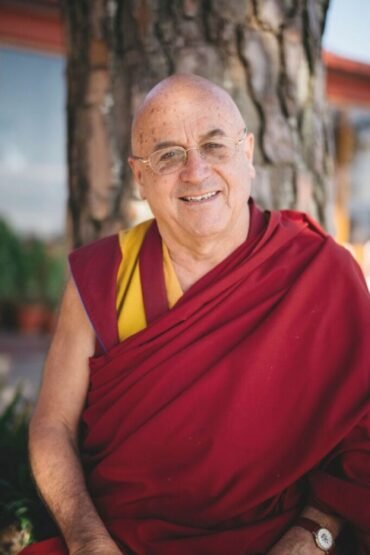
That’s where Matthieu Ricard comes in, a French scientist turned Tibetan Buddhist monk, often called “the happiest man in the world.” Neuroscientists studied his brain during meditation and found extraordinary activity in areas linked to well-being and compassion.
Ricard has spent decades training his mind, reportedly meditating for over 50,000 hours. It’s a staggering number, almost unimaginable. But what’s striking isn’t the hours themselves, it’s the devotion. He trained his mind with the same intensity an athlete trains their body.
People like him are rare, but their example reminds us of something important: happiness isn’t about possessions or comparisons. It’s about how deeply we cultivate our inner state.
What Enlightenment Really Means
In Buddhism, reaching a state completely free from suffering and clinging is called Nirvana, often described as enlightenment. It’s not just the absence of worry, but a complete shift in how the mind relates to desire, fear, and attachment. Over centuries, Buddhist traditions have developed practices that help cultivate this freedom.
In modern terms, you could think of it as gently rewiring the mind, clearing away the noise and strengthening our ability to stay steady and present.
The Science of Meditation
What’s fascinating is that meditation doesn’t just feel good in the moment. With consistent practice, it literally changes how the brain works. Neuroscientists studying long-term meditators have found measurable shifts in areas linked to focus, calm, and compassion. The inner work shows up on the outside too.
Small Steps, Big Shifts
But here’s the encouraging part: you don’t need decades of practice to feel a difference. Even 20 minutes a day can start to reshape your mental patterns. Small, consistent positive mindset habits like this are often what create the biggest long-term shifts in happiness and resilience. Studies suggest that after just four to eight weeks of regular meditation, people notice lower stress levels and a greater sense of balance. For such a small daily habit, the payoff is remarkable.
Why One Obsession Can Hurt You
Still, in today’s busy world, freeing ourselves from attachments through inner training alone can be tough. That’s why it also matters to make wise choices in our outer lives.
One simple step is to avoid pouring all your energy into just one thing, whether it’s gambling, gaming, work, or even something that seems positive, like family or personal dreams. Any fixation can backfire when it becomes the only source of happiness.
Think about entertainment: a good drama, your favourite team, or following a band can be fun in moderation. But when every day revolves around it, enjoyment tips into obsession. In the extreme, people even lose touch with reality because of it.
Finding Balance Through Variety
So here’s a practical goal: try not to tie your joy to just one place. When happiness comes from multiple areas of life: friendship, creativity, learning, rest, you naturally feel steadier. And when one part of life doesn’t go your way, it doesn’t knock you down as easily.
Why Work Matters More Than We Admit
So far, we’ve been talking about happiness in broad strokes. Now let’s get practical. Here’s an action plan that can truly change your life. My suggestion might sound surprising at first, but… make your work your greatest interest.
The Hidden Weight of Negative Attachments
I know, that may raise some eyebrows: didn’t you just say not to get overly attached to one thing? You’re right. But here’s the twist: constantly hating your work, wishing the hours away, or dreading Monday mornings is actually another form of attachment.
Attachment isn’t only about craving what we like, it also shows up in its negative form: resentment, boredom, frustration. And those emotions often stick with us more stubbornly than desire. If you’ve ever dragged yourself through a job you disliked, you know how much mental energy it drains.
Turning Work Into a Source of Joy

Work takes up close to a third of our waking hours. That’s far too much time to write off as “just something to get through.” If we can transform work into something meaningful, it stops being a burden and starts becoming one of the greatest sources of happiness. Often, it begins with learning to think smarter, not harder, and reframing the way we approach effort and success.
Of course, many people end up disliking their jobs because they landed in the wrong environment, maybe their first workplace by chance, maybe a company culture that wore them down. I’m writing especially for those people, because when work becomes more than survival, when it becomes purpose, it can completely reshape how we feel about our days.
Why Success at Work Feels Different
Here’s what makes work unique: it offers the lived experience of success. When your efforts help others, when you hit goals you once thought impossible, when you prove to yourself you’re capable of more, you gain a confidence that hobbies alone can’t always provide.
That sense of achievement feels both real and useful. It lingers in a way that fuels self-respect.
The Best Hobby of All
Don’t get me wrong, I love basketball, the NBA, movies, Netflix, books, swimming, and good food. They brighten life in so many ways. But at the end of the day, nothing compares to meaningful work. Because unlike a hobby, work can offer wins that stick with you. And when your work becomes the place where you collect those wins, it just might become the best “hobby” of all.
Turning Work Into a Source of Growth
Let me say it one last time: learn to see your work as your greatest hobby. Sports, cooking, or games can be fun, but hobbies only take on real depth when they leave you with a sense of achievement. We all need at least one place in life where we feel the deep satisfaction of success.
The first step is simple: give your best effort to the work in front of you while keeping your attachments in check. Don’t just follow the crowd. If you try something different, even if it fails, you’ll grow stronger. Every failure leaves behind lessons that build the foundation for future success.
When Change Is the Right Choice
If your current job feels like it offers no chance for growth or satisfaction, don’t be afraid to change your environment. The old idea of sticking with one company for life is outdated. These days, moving on isn’t weakness, it’s often the smartest step you can take toward a better fit.
Work, Hobbies, and a Bigger Life
Of course, this doesn’t mean work should consume everything. Hobbies outside of work still matter. They give us rest, joy, and perspective. Work should enrich your life, not replace it. Life is much larger than one role or one title.
Every second has meaning, every day can hold happiness. Imagine living with this mindset: “My life is already so full, so wonderful, whenever the end comes, I’ll have no regrets.” That’s the kind of fullness I wish for as many people as possible.
Looking Back Together
Thanks for reading all the way through. We began with the idea of the “Top 5 hobbies that make people unhappy,” but in the end, the rankings didn’t matter, because no hobby is purely good or bad. What matters is balance.
We explored happiness itself and saw that being alive is happiness, while attachments and comparisons often pull us away from it. We talked about meditation as one way to loosen those attachments and reclaim a calmer kind of joy. We looked at diversifying our interests so we don’t cling too tightly to one thing.
And finally, we arrived at this: when your work becomes meaningful, it can be the most rewarding ‘hobby’ of all, bringing something truly rare: moments of success that build confidence, self-respect, and a sense of purpose, all without taking over your life.
Reflective Closing
In the end, it was never really about sports, games, or TV shows. It was about how we live, how we hold our attachments, and how we shape our days into something that feels worth living. Hobbies may colour the margins of life, but the core is how we spend our time, how we treat our work, and how we nurture our sense of happiness from within.
If you walk away with just one thought, let it be this: happiness isn’t found in the extremes, it grows quietly in balance, in effort, and in the way we choose to live each day.
The perspectives we practise daily shape far more of our lives than circumstances ever will.