The Silent Reality of Having No Friends: Finding Joy in Solitude

28 JANUARY 2025
Having No Friends: Why Quality Matters More Than Quantity
Friendship is one of life’s most valuable treasures. Yet many people reach a stage where they realise they have no friends or no close friendships they can truly rely on. While this can feel unsettling at first, it doesn’t mean you’ve failed in life. In many cases, it reflects growing self-awareness, authenticity, and a deeper understanding of what meaningful connection truly means.
True friendship, much like love, isn’t something we can force. It’s a rare gift that appears when the timing is right. If you’re fortunate enough to find a genuine friend, cherish them. If not, know that this is entirely normal too. Friendship isn’t about having a long list of acquaintances; it’s about building meaningful, authentic connections.
Sometimes, superficial, low-quality social interactions can leave us feeling drained. In those moments, spending high-quality solitude can be far more fulfilling. If you haven’t found people who truly align with your values and personality, that’s okay. Living authentically, even alone, is far better than wearing a mask and settling for shallow relationships. For many, this isn’t isolation but a conscious shift, a deeper shift toward why more people are choosing solitude as a way of life.
When Having No Friends Reflects Strength
Realising you don’t have any friends doesn’t mean you’re unsociable. It might simply mean that the people around you no longer align with the person you’ve become. For those who are truly remarkable, loneliness often comes as part of the package. In many cases, it also connects to why self-love can feel so difficult, shaping how we form and experience relationships.
Imagine standing alone on the peak of a mountain, gazing out at a breathtaking view. It’s a position of accomplishment and clarity, but also one that few others can reach. The higher the peak, the fewer people there are who can make the climb with you. Many remain in the valleys below, content with lives that may not resonate with your values, ambitions, or definitions of success.
From this perspective, not having friends might actually signify two insightful truths.
ONE – Letting Go of Meaningless Socialising

At a certain point in life, you stop defining your worth through others’ opinions or connections. Relationships can be complicated, even exhausting, because the human mind is so unpredictable. In fact, a psychologist once remarked that all human troubles stem from relationships, a perspective that becomes clearer as you age.
By the time you reach middle age, reducing meaningless social interactions can be liberating. Spending less time on idle chatter with friends isn’t about isolating yourself, it’s about reclaiming your time and energy. This shift allows you to focus on managing your life, nurturing your interests, and pursuing personal growth. And during more challenging periods, having gentle ways to feel better and support yourself emotionally can make the journey feel lighter.
When you step away from superficial social obligations, you make room for a more fulfilling and purposeful life. It’s not about having fewer friends, it’s about living more authentically.
Why Family Often Becomes the Priority
Scaling back on social gatherings isn’t just about reducing your social calendar, it’s about redirecting that energy toward your family. By middle age, many of us are juggling the needs of aging parents and growing children. This phase of life brings not only the pressures of daily responsibilities but also the privilege of contributing to your loved ones’ happiness and well-being.
A responsible and mature outlook means finding balance. While spending time with friends can be a pleasant escape, it’s natural to place family relationships at the top of your priorities. Overindulging in social activities like eating, drinking, and casual entertainment often takes a back seat to the joy of nurturing a connected and harmonious home.
And let’s face it, middle age is busy! With limited time available, it’s only natural to choose quality moments with family over fleeting social interactions. After all, these are the relationships that truly sustain and enrich our lives. At the same time, it’s worth understanding why even close family relationships can gradually change as life evolves, especially during different life stages.
The Unseen Challenges of Full-Time Motherhood
For full-time mothers, finding time to relax, or even connect with friends, can feel like an impossible dream. While they may not deal with the stresses of a workplace, the demands of daily life can be just as relentless, if not more so.
There’s a common misconception that full-time mothers have plenty of time to themselves because they “just stay home” to care for their children. The reality couldn’t be further from the truth. Most full-time mothers start their day before sunrise, often rising around 5 a.m. to prepare breakfast for their children.
Once the kids are off to school, the day doesn’t slow down. Grocery shopping, cooking three meals, cleaning the house, and handling a never-ending stream of small but essential tasks fill every hour. It’s a demanding routine that leaves little room for rest, let alone socialising.
The dedication and effort full-time mothers put into their families are immense, even if these contributions often go unacknowledged. Their hard work is the foundation of a loving, well-run household, and it deserves to be recognised.
Why Doesn’t She Work? Understanding Family Choices
One question that full-time mothers often face is, “Why doesn’t she just go back to work?” The answer, however, isn’t as simple as it may seem. Every family has its own unique set of challenges, and the decision not to work often reflects careful consideration. While working could help ease financial pressures, the cost of quality childcare or the need to be present for their children can quickly overshadow any benefits of employment. Instead of reducing stress, it can end up creating more.
After marriage and having children, many people find themselves socialising less, not because they don’t want to, but because life becomes busier and more demanding. Balancing household responsibilities, caring for children, and managing day-to-day life leaves little room for gathering with friends like they used to.
This shift in priorities marks the transition from the carefree days of youth to the responsibilities of middle age. But with these changes comes a different kind of fulfilment. Spending less time with friends and more time with family brings its own kind of happiness, one rooted in love, connection, and purpose.
TWO – Finding Purpose Beyond Friendship
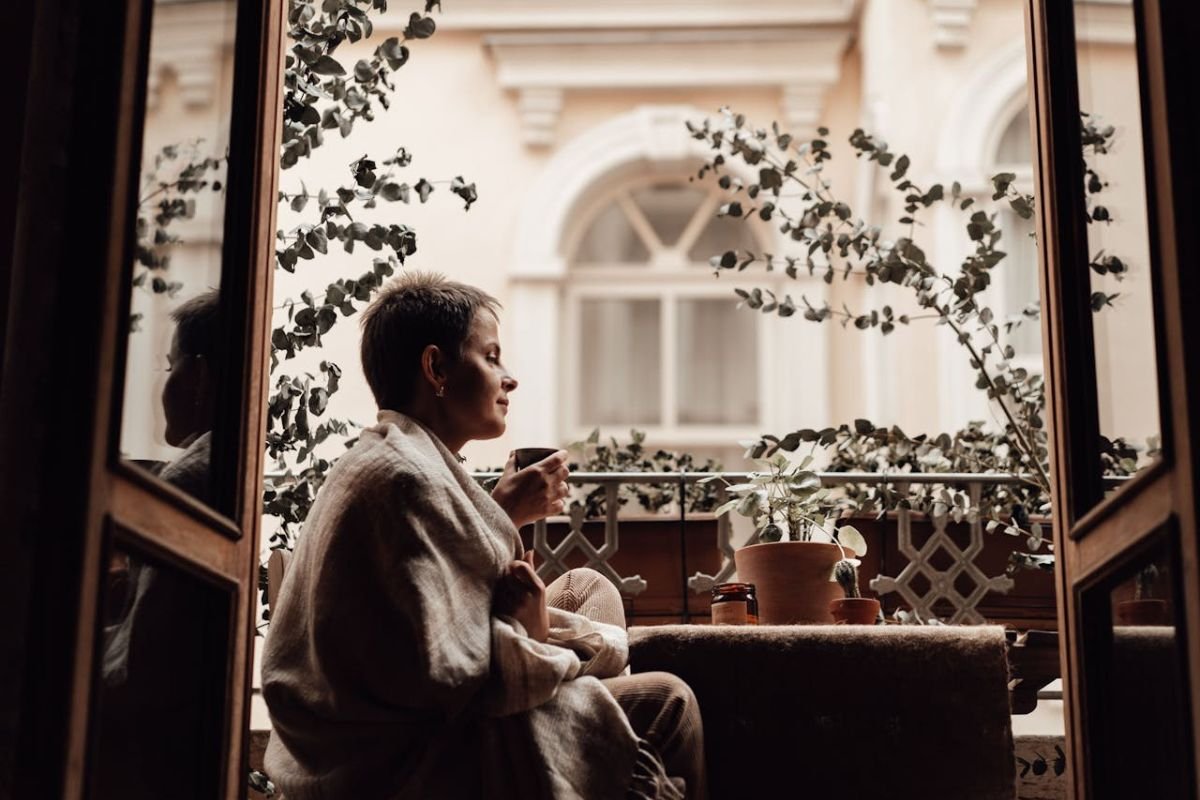
Middle age often brings a transformative realisation, a desire to focus on yourself and your family while allowing life’s other elements to flow naturally.
At this stage, many people begin to see the true value of their relationships. They develop a clearer understanding of which connections add meaning to their lives and which ones don’t. Armed with this wisdom, they stop wasting time and energy on relationships that no longer serve them.
Instead, the focus shifts inward. They prioritise living authentically, improving themselves, and managing their lives with intention. Meaningless socialising gives way to activities that nurture growth and happiness. For many, this is an empowering time to embrace what truly matters and build a fulfilling life.
The Benefits of Solitude in Middle Age
Middle age often feels like a whirlwind of responsibilities. With aging parents to care for, a spouse to support, and children to raise, finding time for yourself can seem nearly impossible. It’s a phase where you’re constantly pulled in multiple directions, balancing the needs of the generations above and below you.
Yet, amidst this busy life, finding moments of solitude can be more fulfilling than socialising. In these quiet, uninterrupted spaces, you have the opportunity to reconnect with yourself. Solitude becomes a sanctuary where your inner voice emerges, the one that reveals your true desires and helps you rediscover what you need to feel whole and content.
Though carving out these moments may feel like a challenge, they’re worth the effort. Whether it’s a peaceful morning ritual or an evening walk alone, making time for yourself can be transformative, offering clarity and guidance towards a more authentic life. Living authentically means letting go of the roles we feel pressured to play for others.
The Cost of Pretending to Fit In
Constantly wearing a mask, adapting yourself to fit various roles and expectations, can be incredibly draining. No matter how socially skilled or emotionally intelligent you are, this lifestyle eventually leaves you exhausted, and perhaps even disconnected from who you truly are.
It’s no wonder that those with fewer friends are often not failures, but realists. They’ve seen through the layers of pretence and come to understand a simple truth: life belongs to you, and the only person you can consistently rely on is yourself.
In life, people often approach you when things are going well, but when challenges arise, many will drift away. Genuine connections are rare, as most relationships revolve around mutual benefits rather than sincere bonds. In many ways, this reflects how people present themselves differently in social situations and what their words often reveal beneath the surface. But recognising this can be liberating.
Instead of placing your hopes on others, focus on building a life that brings you joy and fulfilment. Embrace the blessing of living authentically, on your terms, and cherishing the peace that comes with it. Isn’t that the most rewarding way to live?
Final Reflection

Life is too precious to spend chasing superficial relationships or living according to other people’s expectations. Having no friends does not automatically mean loneliness, just as having many friends does not guarantee fulfilment. By embracing authenticity, nurturing meaningful relationships, and appreciating the benefits of solitude, you can create a life filled with purpose, peace, and genuine contentment. Sometimes the most rewarding journey is simply learning to be comfortable with yourself.
Continue Exploring Your Path
If this experience resonates with you, you might find these perspectives helpful as you continue making sense of your journey:
- If you’re beginning to see solitude in a new light, you may find it helpful to explore why choosing to be alone can become a powerful and intentional way of living → (Post 021)
- If your experience feels connected to deeper emotional patterns, it can help to reflect on where difficulties with self-worth often begin and how they influence relationships → (Post 043)
- During heavier moments, having simple ways to steady yourself and feel more emotionally balanced can make this path feel more manageable → (Post 062)
- And as life evolves, it can also be useful to understand how close relationships naturally shift and change over time → (Post 011)
People Also Ask
Frequently Asked Questions About Having No Friends
Is it normal to have no friends?
Yes, it is more common than people think. At different stages of life, priorities, values, and circumstances change, which can naturally lead to fewer close connections. Not having friends does not mean something is wrong with you. In many cases, it simply reflects a shift in personal growth and self-awareness.
Why do I feel like I have no friends?
This feeling often comes from a mismatch between who you are becoming and the people around you. As your values, mindset, or lifestyle evolve, existing connections may no longer feel aligned. It’s not always about losing people, it can also be about outgrowing certain environments.
Can you be happy without friends?
Yes, you can still live a fulfilling and meaningful life without close friendships. While connection is important, happiness does not rely solely on other people. Many individuals find peace, clarity, and purpose through solitude, personal growth, and focusing on what truly matters to them.
Is being alone unhealthy?
Being alone is not unhealthy when it is intentional and balanced. Solitude can provide time for reflection, creativity, and emotional reset. However, if being alone is accompanied by persistent distress or isolation, it may help to seek support or gradually reconnect in ways that feel comfortable.
How can I cope with having no friends?
Start by focusing on building a strong relationship with yourself. Use your time to explore interests, develop skills, and create routines that bring you fulfilment. Over time, this sense of inner stability can make it easier to form more meaningful connections, should you choose to.