Two Pieces of Marriage Advice From An Elderly Woman
17 MARCH 2026
The Rumour No One Took Seriously
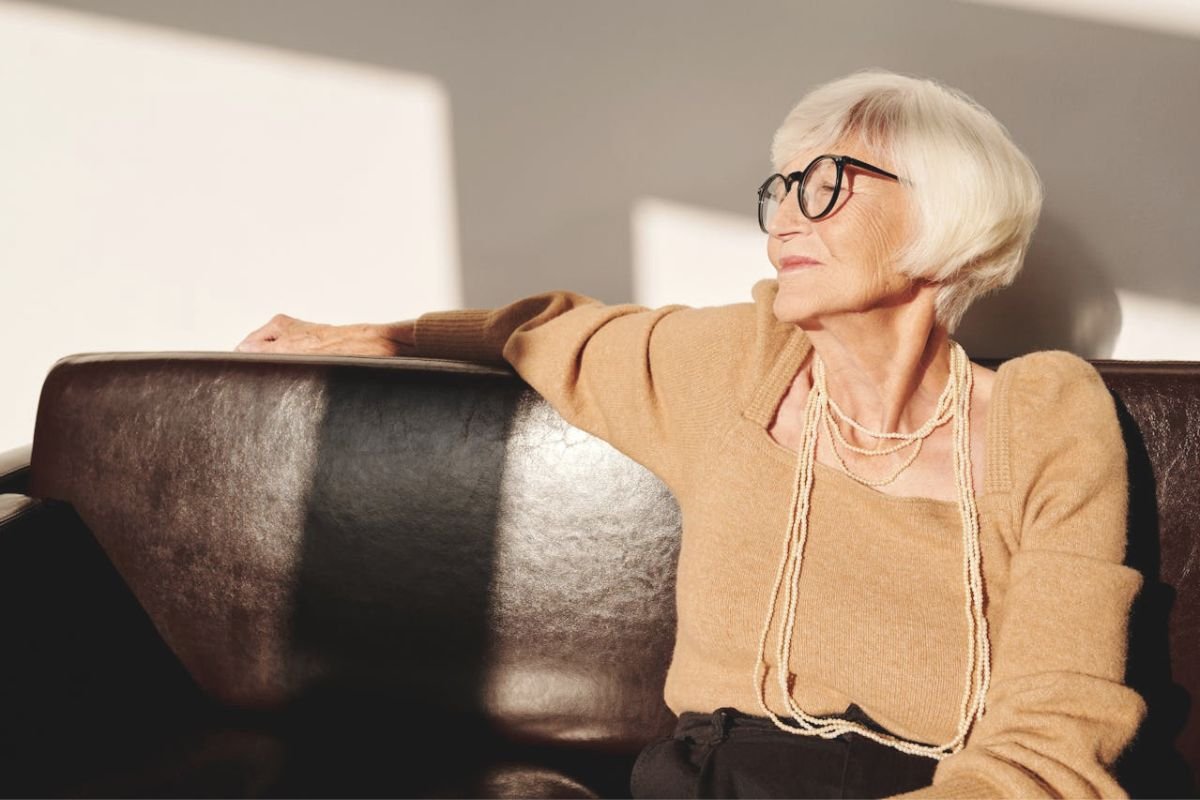
News about the elderly woman living across the road deciding to end her marriage spread through the neighbourhood quickly. At first, most people treated it as light chatter, something to whisper about before moving on. But once I learnt what had really been happening in her home, I couldn’t bring myself to join the conversation.
A Life That Looked Joyful from the Outside
In recent years she appeared to be living through one blessing after another. Her son got married, and before long she became a grandmother. To everyone else, it looked as if life had finally softened for her. Yet in the middle of these celebrations, she firmly said she wanted a divorce. No amount of persuasion from relatives or friends could sway her.
The Weight She Carried Alone
Only later did I understand the story hidden behind her calm announcement. From the earliest days of her marriage, she had carried most of the responsibility at home. Even though she and her husband lived under the same roof for decades, he insisted on splitting every living expense with precision. When their son once ran a high fever as a child, he recorded the medical bill in detail and asked her to pay half.
For much of her motherhood, she felt she was parenting alone. While her husband contributed little to raising their son, she kept the household together with steady hands. Their child grew up, started a career, and formed a family of his own, supported largely by her consistent effort.
A Marriage Built on Ledgers Instead of Support
Even now, well into their later years, her husband continues to separate every cost. He claims no one knows who will pass away first, and whatever remains should reflect each person’s sense of self. Listening to this, it became easy to see how the lack of shared responsibility, paired with his rigid view of money, wore down the final threads of hope she had in their marriage.
Choosing Herself After a Lifetime of Carrying Others
She told me she had wanted to leave years ago but stayed because her son was young. Now that he is grown, she finally feels able to live a life shaped by her own choices. When she spoke about her decision, she offered simple advice for younger couples searching for ways to build a strong marriage. Choose someone who stands beside you rather than someone who lets you carry everything alone. And learn to show up for each other with intention, because companionship does not sustain itself without care.
Her words stayed with me for days. A lasting marriage cannot rest on one person giving and the other watching from the side. For a home to feel steady and comforting, both partners need to take responsibility. Once you choose to build a family together, every challenge, big or small, becomes something you face together.
1. Shared Effort Creates a Stronger Marriage
Some couples keep score in ways that slowly weaken the bond between them. They may live under the same roof, yet behave as if they are guarding themselves from one another. When a relationship turns into a tally of who has done more, it becomes difficult for warmth or closeness to grow.
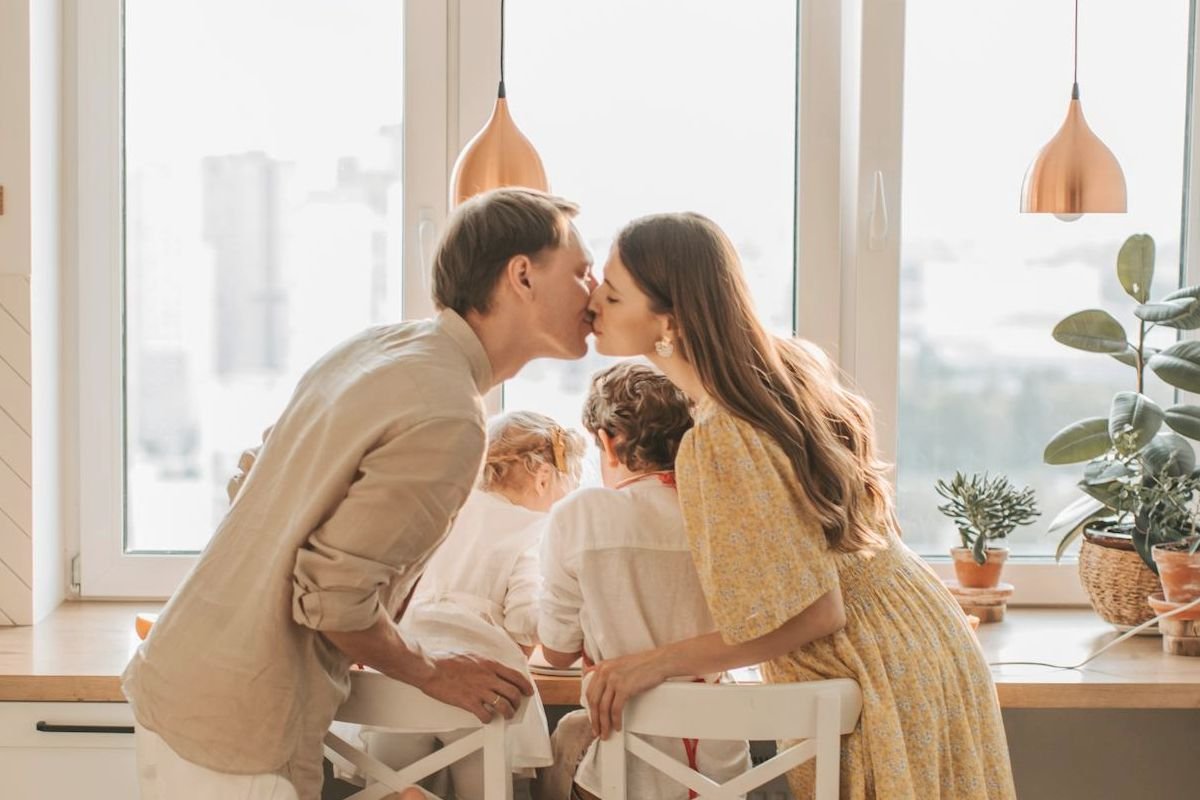
A marriage that lasts usually depends on both people contributing with generosity instead of viewing every action as a transaction. When partners share responsibilities, offer emotional support, and stand on the same side of life’s challenges, the home becomes steadier and full of possibility.
The elderly woman reached her breaking point because she felt drained and unseen. The constant financial dividing, the lack of companionship, and the feeling of being dismissed left her without much hope. She had given her best and received very little in return. Her choice for freedom becomes entirely understandable when seen through that lens.
2. Trust and Companionship Keep a Marriage Alive
People often repeat the saying that romance fades once marriage begins. When you hear stories like hers, you start to understand why such ideas linger.
During the early stages of love, many men pour their energy into making a woman feel valued. Once the relationship settles, some slowly take a step back, assuming that love will maintain itself. It is rarely deliberate. Life grows full, enthusiasm softens, and the small gestures that once came naturally begin to fade.
Yet the effect is the same. The partnership becomes routine, and the warmth that once felt effortless becomes harder to find.
After a long day of work, most couples only have a few hours together. If a husband returns home to eat, shower, and slip straight into his own world, the marriage begins to resemble two adults sharing a space rather than two people sharing a life. It becomes difficult for any woman to feel valued in such an arrangement.
Happier marriages often grow from simple habits. Going to the supermarket together, talking about what to cook for dinner, noticing when the home needs something. These small actions build a sense of “us” rather than “you” and “me”. Grand gestures on special occasions are lovely, but they cannot replace the care shown in daily life.
This is the kind of care that keeps a marriage alive.
When Daily Care Becomes a Foundation
Marriage is a long journey, not a short sprint. When a husband makes the effort to stay engaged and pay attention, he strengthens the foundation beneath both of them. When a woman feels supported, she naturally responds with warmth. A home becomes gentler, lighter, and easier to grow in.
When the wife feels at ease, the husband often feels at ease too. The children sense it as well. In many ways, a family flourishes when both people understand that kindness, involvement, and shared responsibility lift everyone, including themselves.
A Final Reflection
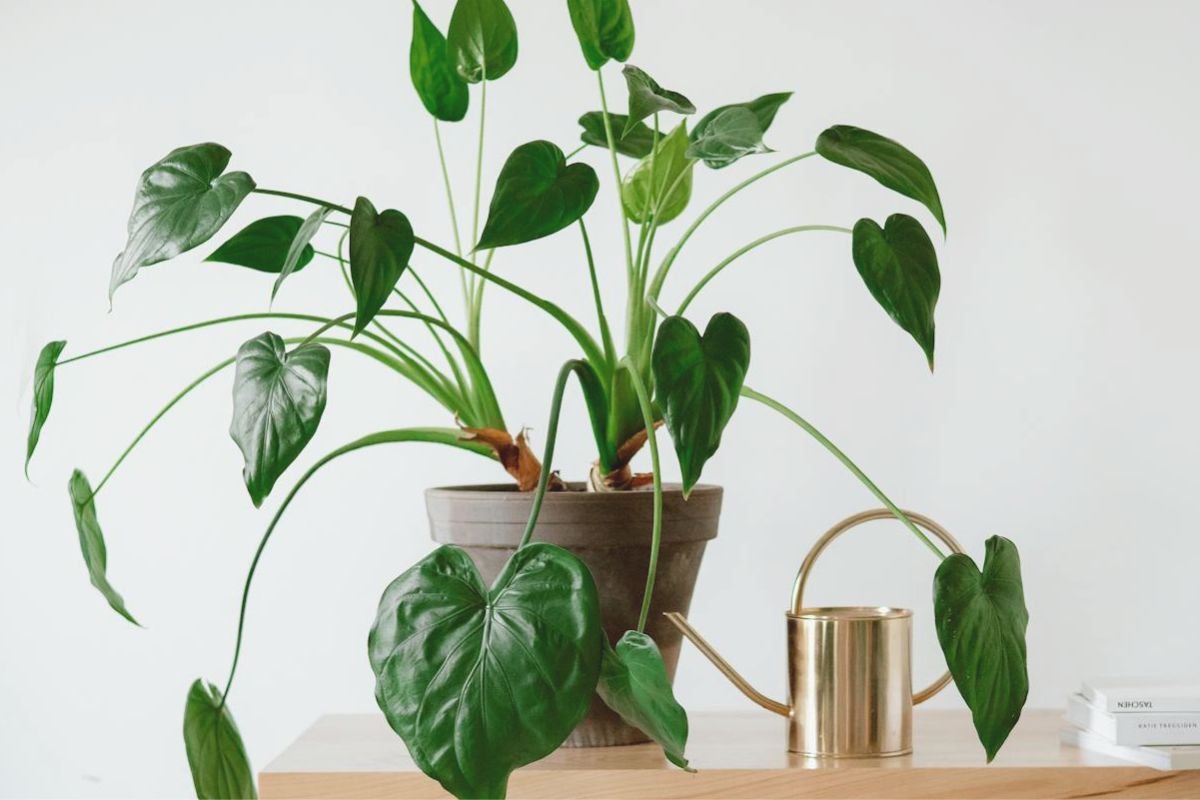
Standing outside her gate months later, I caught sight of the elderly woman watering her plants. She looked calmer than I had ever seen her. It struck me that peace in a home does not arrive by accident. It is shaped, day by day, by how two people treat each other when no one else is watching.
Her story is a reminder that love thrives through steady presence, shared responsibility, and small acts of care. These are the things that turn a house into a life shared with purpose. And in the end, these are the choices that shape the families we create and the futures we step into.