Why Drinking Water Shapes Your Day More Than You Realise
03 MARCH 2026
A Small Question That Became a Bigger One
I have a small personal question about water, and maybe you’ve wondered about it too. People often say we need eight glasses a day, as if hydration is a simple maths problem. Eight glasses, roughly two litres. But many of us drink tea, coffee or juice far more often than plain water. And some tend to count these drinks as part of their daily water intake. One cup of tea equals one cup of water. One coffee equals another. But does it really work like that?
Take me as an example. I usually have a cup of coffee with me throughout the day, often finishing one and refilling another. If I treat those cups as part of my hydration, is that enough? Or do our bodies need something simpler?
Let’s look a little deeper into what supports water absorption in the body and what genuinely keeps us hydrated.
How Much Water Do We Actually Need?
The whole “eight glasses a day” idea was never a strict scientific rule. It’s more of a general reminder that we need water regularly. The ideal amount varies from person to person based on temperature, activity level, diet and health.
Still, our bodies rely on water to keep everything functioning. Water helps carry away waste created by natural chemical reactions inside our cells. When we eat, our liver breaks down nutrients and excess substances. Our kidneys filter the blood, removing what we no longer need. All of this depends heavily on water because it acts as the transport system for waste.
Why Plain Water Still Matters Most
Think about it like cleaning. You wouldn’t mop the floor with fruit juice or scrub a window with coffee. You’d reach for clean water, because it washes things away easily. Our bodies work in a similar way. Drinks like tea and coffee can count towards our daily fluid intake, but they contain other compounds that your body needs to process first. They help with hydration, but not as effortlessly as a glass of plain water.
What the Kidneys Do for Us Every Day
And the kidneys are incredibly busy. They filter around 150 to 180 litres of blood each day and return almost all of that water back into the bloodstream. This is the very reason that people with kidney failure need dialysis. Their kidneys simply cannot manage that level of filtration on their own.
We Lose Water Without Realising It
On top of that, we lose water constantly. Every breath releases moisture. If you breathe onto a cold surface and see fog, that is water leaving your body. Our skin also releases moisture naturally, even when we are not sweating. Warm weather or exercise increases that loss. All of this needs to be replaced.
Do Drinks Like Tea and Coffee Count as Water?
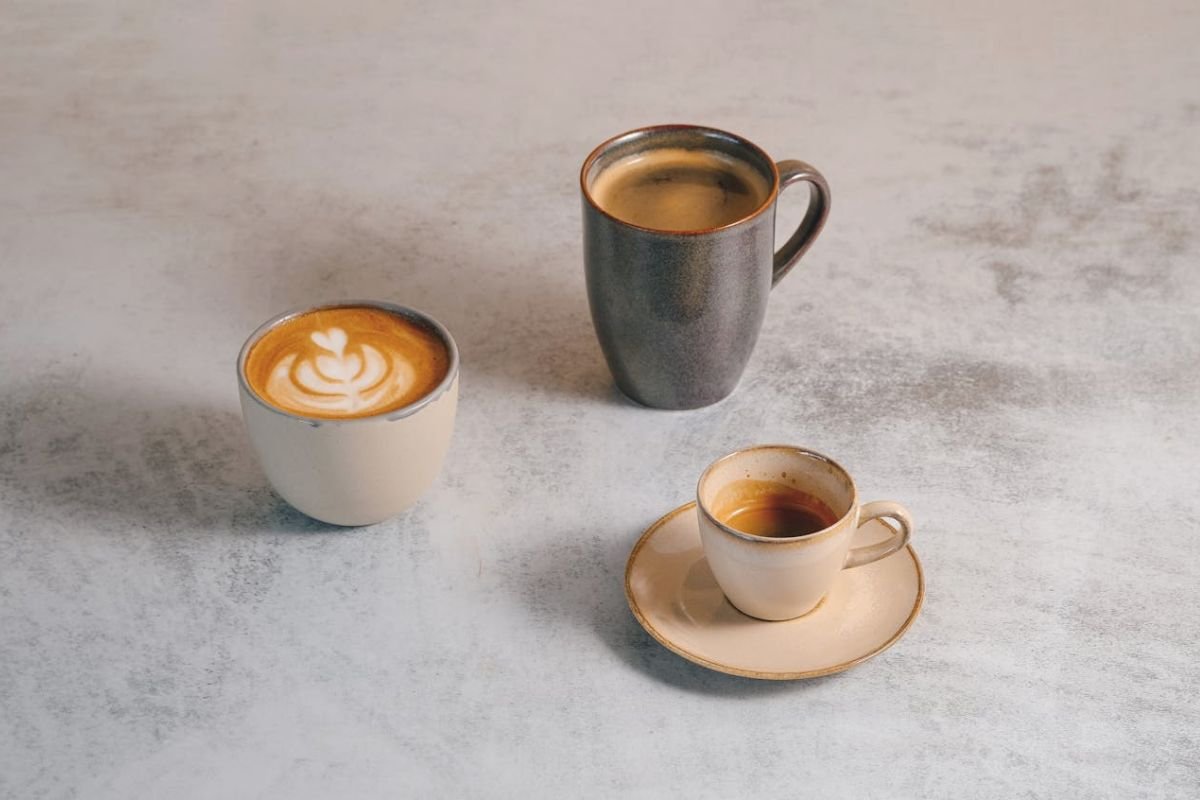
So, does coffee count as water? Yes, it contributes to hydration, yet it is not the best water for hydration because your body needs to sort through the caffeine and other compounds before using the water within it. The same goes for tea, juice and soft drinks. They are not harmful, but they are less straightforward.
An Extreme Example: Seawater
To understand this better, imagine a survival situation. Drinking seawater would make you dehydrated almost immediately. It is so concentrated with salt that your kidneys cannot keep up. They would need to create more urine than the amount of seawater you drank just to remove the excess sodium. It is an extreme example, but it shows how important the right balance is.
Everyday Hydration Habits
Many of us unknowingly fall into a softer version of that pattern. We drink plenty of liquids but not enough plain water, which many surveys have noted may be one reason people feel low in hydration without realising it.
What Happens Inside Your Cells
And this is where osmotic pressure comes into the picture. If the fluid outside your cells is too concentrated, the water inside your cells moves out instead of in. This disrupts your body’s ability to move waste and maintain stability. Plain water, or water with a healthy balance of electrolytes, supports your cells far more easily.
Why Salt Matters When You Are Dehydrated
You’ve probably heard that during diarrhoea, you should drink something with a bit of salt and sugar rather than plain water. That advice is rooted in science. When someone is severely dehydrated, the body needs not just water but electrolytes like sodium and potassium to move that water into the bloodstream and cells. This is the basis of oral rehydration solutions used worldwide.
During diarrhoea, your intestines struggle to absorb water properly, which is why stools become watery so quickly. Without the right balance of fluids and electrolytes, dehydration can happen faster than people expect. Adding a pinch of mineral-rich salt to water supports absorption far better than drinking plain water alone. Even though fine white table salt works in emergencies, sea salt or rock salt contains useful trace minerals.
A Simple Daily Choice
So yes, enjoy your tea, coffee, and juices. They all have their place. But giving your body a steady supply of clean water makes everything inside you work with far less effort. It’s one of the simplest ways to support your cells, your kidneys, and your energy levels throughout the day.
What Is the Best Water for Hydration?
We have countless choices today. Boiled tap water, bottled water, distilled water. And everyone seems to have an opinion about which is the healthiest. When people ask, “What is the best water for hydration?” the conversation often becomes more thoughtful than expected.
A Look at Water at the Microscopic Level
You may have heard claims about “small molecular clusters” in water. While these clusters form and break apart constantly, many people feel that some types of water simply feel lighter or smoother. Whether or not cluster size can be measured consistently, people often notice that natural mineral water feels easier to drink. This is not just about taste. Mineral water benefits hydration because the minerals support the body’s natural balance.
When Water Seems to “Pass Through” You
Many people recognise this feeling: you drink glass after glass of water yet still feel thirsty. The water seems to pass straight through you. You rush to the loo, but your mouth and skin still feel dry. That experience often has more to do with electrolytes than the water itself. A tiny pinch of pink rock salt can make a surprising difference. Not enough to taste salty, just enough to help with cellular hydration.
Distilled Water, Mineral Water, and Spring Water
Distilled water is safe to drink, though it contains no minerals. Some people prefer it with a small pinch of salt or mixed with mineral water. High-quality spring or glacier waters often feel especially smooth because of their natural mineral profile.
Not all bottled waters are genuine mineral waters. Some are simply purified or distilled water. These are still hydrating, but after exercise, many people find that true mineral water quenches thirst more effectively. When electrolytes are lost through sweat, water with minerals is absorbed more readily.
Choosing a Safe Water Bottle Matters Too
I prefer carrying my own tumbler from home because it feels familiar and reassuring. But the bottle itself matters. Plastics that release plasticisers can leach chemicals into the water, especially when exposed to heat. Many modern bottles are labelled BPA-free, which is a helpful start, but glass remains the safest choice, while stainless steel is another reliable option.
There are plastics made without plasticisers, but unless the label clearly states it, it can be hard to know. And since these chemicals may cause trouble inside the body over time, choosing a safer bottle is a simple, easy win.
A Thought to Carry With You
Staying hydrated is not about perfection. It is about paying gentle attention to what your body actually needs. A bit of mineral-rich water, a pinch of good salt when you are unwell, a safe bottle that protects what you drink. These small choices make a big difference. Hydration is not only physical. It is also a small way of caring for yourself in the middle of daily life. It is a reminder that your body is always working to support you, and sometimes, a simple glass of water is the kindest thing you can offer it.