A Good Husband Knows the Value of Treating His Wife Well
23 SEPTEMBER 2025
Can a Good Wife Really Bless Three Generations?
It might sound like an old proverb: “A good wife can bless three generations.” But there’s more truth in it than meets the eye. A loving, capable woman carries a strength that touches everyone around her.
She nurtures the elderly with care and respect, preserving the dignity of the first generation.
She builds a peaceful, emotionally stable home, anchoring the second generation, her children.
She raises those children with wisdom and patience, shaping not only their future but the emotional wellbeing of the grandchildren to come, the third generation.
A good wife doesn’t just make a home liveable. She makes it thrive. She becomes the heartbeat of a family. The steady presence when life grows difficult. The enduring force behind generational wellbeing.
The Truth Smart Men Already Know
That’s why wise men understand something simple but essential:
The way you treat your wife affects the future of your family.
When a husband shows kindness, respect, and appreciation, the whole home responds.
Conversations feel lighter. Meals feel warmer. Laughter comes easier. There is peace, and yes, real happiness.
But when a woman feels invisible, unloved, or unsupported, the consequences spread just as widely.
The elderly may be overlooked. The children might grow up unsure, emotionally distant, or even resentful.
How can a family flourish when its foundation feels shaky?
It’s Not Just Your Burden to Carry
Midlife can hit hard. The pressure to provide, to succeed, to keep everything running, it builds quietly until it feels like a weight on your chest.
But here’s what’s often forgotten: if your household runs on a traditional setup, where you work outside and your wife manages everything inside, she’s not “just at home.” She’s holding down a job of her own. One that never really clocks out.
She’s carrying an emotional and physical load that often goes unseen, but not unfelt.
What Will Really Matter Later
Your happiness in old age won’t just come from your retirement fund or a paid-off house.
It’ll come from the life you’ve built with your partner, the one who knows how you take your tea, who’s seen you fail and still believes in you.
That kind of bond doesn’t appear out of nowhere. It’s made up of the small, daily choices you make now: how you speak to her, whether you listen, if you notice the little things.
If you want warmth in your later years, the kind that wraps around you like a familiar blanket, start now.
Start by treating your wife well.
And if you’re unsure where to begin, just do these three things with heart…
(I) Show Up for the Kids, and for Each Other
When Motherhood Feels Like a Solo Job
There’s a term floating around online these days: “widow-style parenting.”
It describes something too many women experience, raising children almost entirely on their own, even though they technically have a partner.
He’s there. But emotionally? Practically? It’s like he’s a ghost in the home.
We’ve all seen the heartbreaking headlines. Mothers pushed to their limits. Burned out. Desperate. Not because they’re weak or “too emotional”, but because they expected a partner and ended up with a roommate.
And it’s not just about them, it’s about the kids too.
Yesterday’s Marriage Doesn’t Work for Today’s Women
In past generations, the bar for being a “good husband” was painfully low.
If a man came home at night, didn’t gamble away the family savings, and brought in a paycheck, he was considered solid. Faithfulness, emotional availability, or hands-on parenting? Optional.
The belief was simple:
Men work. Women do everything else.
That old formula might’ve kept households running, but it left many women lonely and unseen.
But times have changed.
Women today are educated, independent, and fully aware of their worth.
Even those who choose to stay home with their kids aren’t signing up to carry the parenting burden alone. They don’t want a helping hand now and then, they want a partner who shows up consistently.
Why Dads Matter… A Lot
This isn’t just about fairness. It’s about what’s best for the kids.
Research consistently shows that when both parents are actively involved, children thrive. A father’s presence shapes a child’s emotional resilience, confidence, and ability to build healthy relationships.
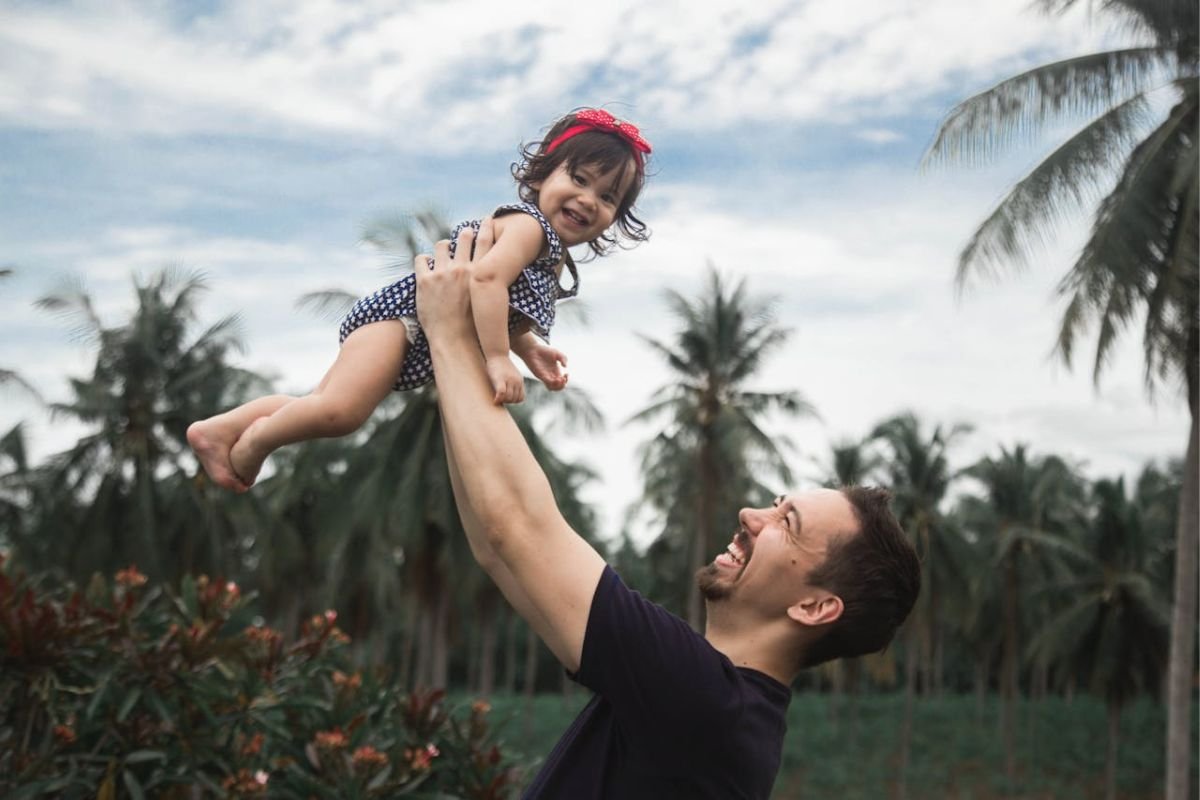
Why? Because mums and dads often bring different things to the table.
Mothers may be more nurturing, protective, and tuned into subtle emotional cues. Fathers often encourage boldness, independence, and a sense of exploration.
Children need both. Not in perfect balance all the time, but in a rhythm that feels whole.
It’s Not Just Parenting. It’s Partnership
When both parents share the responsibility of raising a child, something beautiful happens.
The child benefits, and yes, so does the marriage.
The emotional weight that mothers carry begins to lighten.
They feel seen. Supported. Less alone.
And even something as simple as a father spending one meaningful hour with the kids each evening can be the balm a stay-at-home mum needs after a long day of invisible labour.
Parenting was never meant to be a one-person job.
When both people show up, not just in body, but in spirit, everyone wins.
(II) The Power of Helping Hands
Household Work Is Heart Work
Let’s be clear: housework isn’t just a woman’s responsibility.
It never was, and it shouldn’t be.
In a strong, lasting marriage, love shows up not just through big romantic gestures, but in the everyday, practical things.
Picking up the kids. Wiping the counter. Folding the laundry.
When both partners contribute to the life they’ve built together, the home becomes a place of shared energy, not silent resentment.
Take something simple: if your wife handles the cooking, you could take care of the dishes. If she’s done the shopping, maybe you handle the cleanup. It’s not about measuring who did more, it’s about saying, “I see your effort. I’m part of this too.”
It’s Not About Perfection. It’s About Presence
Most women don’t care if the towels are folded “just right.”
What they care about is your attitude.
When a man steps up without needing to be asked, it sends a powerful message: “We’re in this together.”
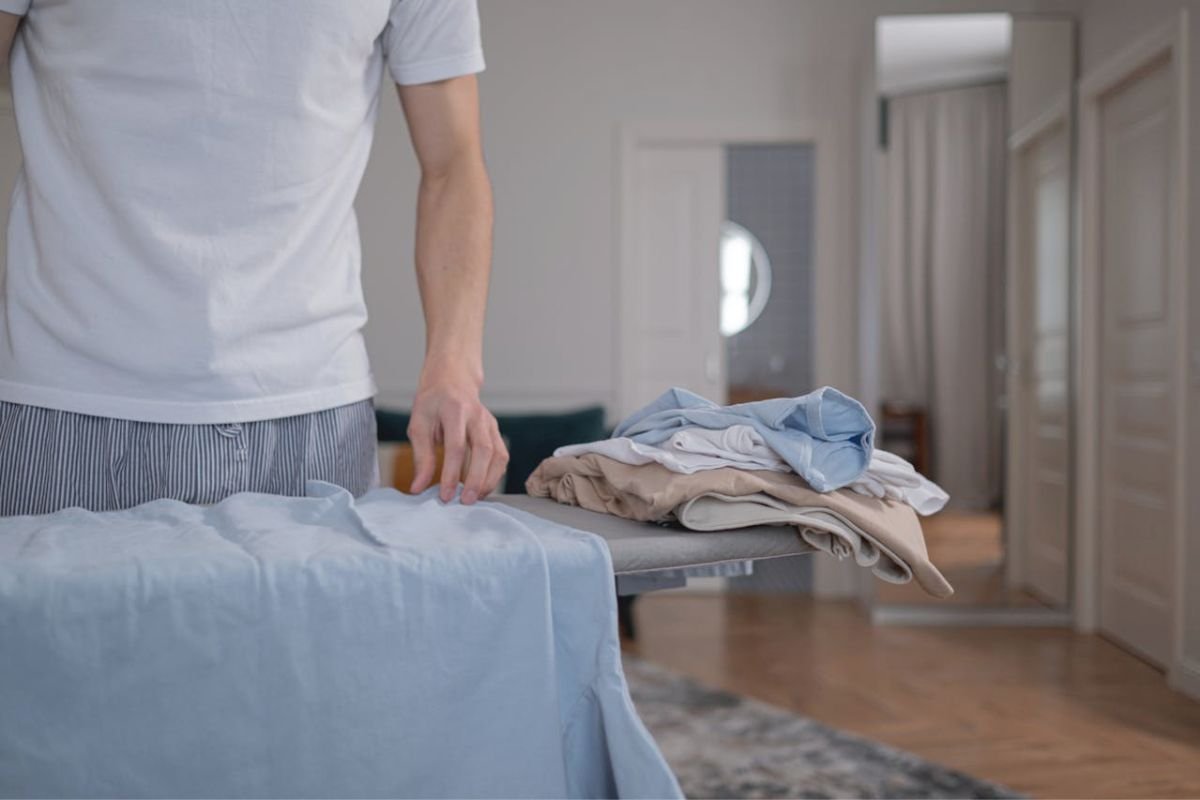
And in that moment, something shifts. A woman feels seen. Respected. Less alone.
Even the busiest, most high-powered men, CEOs, doctors, entrepreneurs, understand this. They know that true leadership starts at home. Wiping down the table, sweeping the floor, or making the bed doesn’t diminish their dignity. It deepens it. Because humility, not status, is what holds a family together.
A Woman’s Energy Shapes the Home
There’s a saying: “A wife’s face reflects her husband’s attitude.”
While it isn’t true in every case, there’s something worth thinking about.
When a woman is constantly tired, emotionally drained, or short-tempered, it’s often because she feels she’s carrying too much. Not just the visible tasks, but the emotional load, the scheduling, the mental to-do list that never stops running.
On the flip side, when a husband helps without being told, and shows he values her time and effort?
That changes everything.
Her stress eases. Her warmth returns.
And that glow warms the whole household, from her husband to her kids.
Small Acts, Big Impact
A man’s willingness to participate at home isn’t just about chores, it’s about connection.
Helping out isn’t a favour. It’s a form of emotional intimacy.
And when a woman feels supported, she becomes more generous, more affectionate, and more at peace. That peace flows through the family, creating a calmer, happier environment for everyone.
Some men still underestimate how much influence a woman’s emotional state holds. But in truth, her joy or frustration sets the tone for the entire household.
When both partners share the load, physically and emotionally, they create more than just a clean house.
They create a home where everyone feels safe, valued, and loved.
(III) Together Through Joy and Storm: The Real Test of Love

Love Shows Up in the Hard Moments
Life isn’t all candlelit dinners and smiling holiday cards.
Sometimes it’s messy, painful, and exhausting.
Every couple, no matter how in love, will face hardship. What sets lasting relationships apart isn’t how well they perform during the highs, but how deeply they stay connected through the lows.
There’s an old saying: “Husband and wife are like birds in the same forest, when disaster strikes, they fly their separate ways.”
It may sound bleak, but there’s truth in it. In times of stress, it’s easy to retreat into self-preservation. That’s why couples who stick together, truly together, through illness, grief, financial stress, or everyday exhaustion are so rare. And so precious.
Choosing Each Other Again and Again
Marriage isn’t just a romantic dream or a legal agreement. It’s a responsibility that begins within, because healing yourself is the first step toward healing a marriage.
It is a living promise: I’ll be there. Even when things get hard. Especially when they get hard.
For men, this might mean looking beyond your own career or ambitions. It means noticing what your wife has endured, emotionally and physically, particularly if she carried and gave birth to your children. That experience changes a woman in ways few people fully understand.
What makes the difference is rarely grand gestures. It is presence. Comfort. Laughter over dinner. A hand held in silence. The simple act of staying emotionally close when life feels heavy.
When you give your partner steadiness during difficult seasons, you do not lose anything. You gain trust, closeness, peace, and a home filled with warmth.
The Emotional Climate That Raises a Family
Children don’t just grow up watching their parents. They grow up absorbing them.
They absorb the tone of their parents’ voices and internalise how their father speaks to their mother. Over time, how a mother’s mindset shapes a child’s world becomes closely connected to the way she is treated within her marriage.
They notice whether love feels secure or uncertain in their home.
Research continues to confirm what many of us sense instinctively: when children grow up in a home where kindness, patience, and mutual respect are the norm, they carry those patterns into adulthood. It shapes how they love others, how they see themselves, and how they respond to life’s challenges.
Final Thoughts: A Legacy of Love
A happy marriage is more than just a personal success. It’s a legacy.

A happy marriage is more than just a personal success. It’s a legacy. When we understand how the three core relationships shape who we become, it becomes clear that the way a husband treats his wife shapes the emotional future of his family.
When a man treats his wife well, with care, consistency, and respect, it doesn’t just affect her. It shapes the emotional security of his children and influences the direction his grandchildren will grow in. It creates a family culture where love doesn’t need to be earned through suffering. It is simply there, steady and life-giving.
So if you’re wondering whether a good wife can truly bless three generations, look closer.
You might find the answer in a peaceful home, in well-adjusted children, or in the joy of growing old beside someone who knows your heart.
And at the centre of it all?
A man who chose, again and again, to treat his wife with love.