Ageing vs Death: Why Growing Old Can Feel More Frightening Than Dying
16 SEPTEMBER 2025
Ageing vs Death: Is Living Too Long a Burden?
The question of ageing vs death entered my mind after reading a heartfelt piece by Wu Chonglan, an elderly Chinese writer. Her article, simply titled “Endure,” wasn’t dramatic or embellished, yet it stayed with me. It stayed with me not for its general reflections on ageing, but for the slow weight of time it revealed, the fading of strength, and the invisible bravery found in daily caregiving.
Inside the Author’s World
She writes with honest simplicity:
In old age, life must be simplified, everything should gradually follow the principle of ease and convenience. My husband and I are approaching ninety, and the fact that we are still able to live independently together is not only rare but also a great blessing.
Of course, “independent” doesn’t mean completely self-sufficient. Our children bring us meals: breakfast, lunch, and dinner. Every dish is tastier than anything this old mother, who was never much of a cook, could make. They even include fruit and snacks. We eat well. We are content. We are happy.
The Invisible Realities of Growing Old
Elderly people are like children, but in reverse. Children change quickly: if you don’t see them for three days, they’ve grown taller, stronger, and brighter. Elderly people decline just as quickly, only in the other direction. If you don’t see them for three days, they’ve grown weaker, more fragile, more silent. It’s a quiet reminder of how time slips away before we notice.
My husband’s health has been slipping lately, like water rushing downhill. He now walks with a cane in one hand and leans on me with the other. I’ve become his second cane.
A House Filled With Love…and Exhaustion
Now, the house echoes with constant cries of “Honey! Honey!” That once-sweet word has taken on new weight. It no longer means just love. It also means need.
The calls come endlessly. There are no breaks, no quiet stretches of time. I’m always doing something. Always rushing. Always tired. The exhaustion is more than physical. It reaches into the emotional side too. I feel like I could collapse. Some days, I’m so frustrated I could scream.
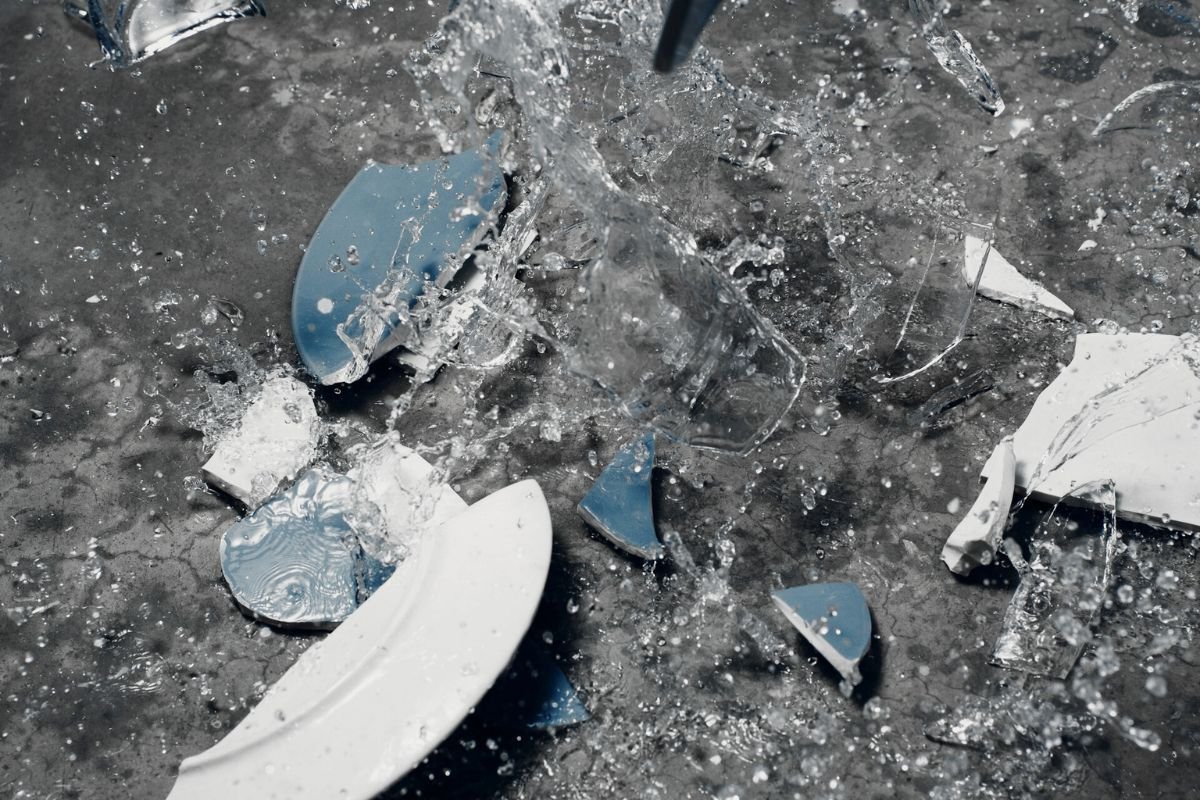
One day, I did. I slammed the table. I threw things. I even broke a favourite cup, one I used every day and loved dearly. My outburst surprised me. But afterward, I looked at him, helpless, childlike. I saw his innocence again. And then came the guilt.
A Legacy of Care
In that moment, I remembered something my mother once told me:
“Don’t be the person who gets scolded for not caring for an elder who’s been sick for a long time.”
She knew what it was like. She had spent years caring for her own ageing parents. This kind of care is a quiet inheritance. It tests our patience and challenges us to practice ageing gracefully within family relationships, yet it isn’t written about in glossy magazine articles or posted on wellness blogs. It’s the kind of love that wears you down, yet still lifts you up in the morning to do it all again.
It’s not weakness to feel overwhelmed. It’s not wrong to feel frustrated. It’s just part of being human.
Does Growing Old Make Us Feel Like a Burden?
So, do people become “sinners” simply for living too long? No. Of course not.
But it’s true that the longer we live, the more care we require. That need can feel heavy for those around us. But it doesn’t make anyone bad, for needing help or for feeling tired of giving it. It just makes us real. Flawed. Dependent. Human.
Holding On Together
Yes! Both of us are holding on.
In this two-person household, there’s no break. My husband, with his frail and failing body, is holding on in the only way he can. And I, I’m holding on to all the daily tasks that were supposed to get simpler with time.
The cleaning, the tidying, the things we once hoped to hand off or scale back, have quietly become complicated again, more difficult than ever. The peace we imagined in old age has instead become a delicate balancing act.
We are both under pressure, just barely staying afloat. Yet stories like ours also raise another difficult question: what happens when lifelong companions can no longer walk the same road together? It is a thought many couples eventually face after spending decades building a life side by side.
Endure! That word has become our shared mantra. A whispered cry of resilience. But what does it really mean? It means scraping by. It means pushing past your limits day after day, not knowing when real rest will come.
The Long Wait
And honestly? I’ve started to wonder, how much longer can we go on like this?
That answer isn’t mine to give. It rests with whatever holds the thread of our lives. But if I could make a wish, it would be this: that when our time comes, it comes together. Side by side. Quietly. Peacefully.
Because truly, we’ve lived long enough. And I say that not with sadness, but with clarity.
After a full life, it’s okay to feel ready for the end. This isn’t giving up. It’s a kind of clarity about what truly matters in our lifetime. Enduring is not the same as truly living.
The Fading of Self
My husband no longer knows day from night, or if he’s hungry or full. And I… I’ve hit the edge of my patience so many times, I can no longer tell where it used to begin.
Some days, when he seems a little more like himself, I let myself breathe and think, maybe I’m not that tired. But those moments vanish like mist in the sun. They’re brief. They never last.
Now I understand what people mean when they say old age is frightening.
It’s not just the pain or the weakness. It’s the slow becoming, turning into someone you never thought you’d be. Someone dependent. Someone burdensome. That’s the part that hurts most.
It’s not just the body that feels heavy. It’s the guilt. The guilt of needing so much from the people you love the most.
The Loneliness of Growing Old and Outliving Others
And here’s the hardest truth of all: when you live too long, you outlive everyone.
Your peers. Your friends. Even your children begin to grow old. The world around you fades. And that’s when ageing begins to feel like some kind of quiet punishment. As if simply needing help were a failure. As if losing independence were a flaw instead of a fact of life.
Sometimes, it even feels like an unspoken sin. This sin of living past your strength. Past your time.
As independence fades, even small words begin to carry unexpected weight, and in moments of exhaustion or fear, we may forget the things we should never say to our children as we grow older.
Endure. Endure.
That’s all there is left to do. But even endurance has a limit.
And we’ve reached ours.
There’s nothing left to plan. Nothing more to strive for. Just waiting now, patiently, for that final sigh of relief. That moment when we can close our eyes, stretch out our bodies, and finally release the long, heavy breath we’ve been holding for years.
Only then, at last, will we be free.
I’ve Always Carried Things Quietly
Ever since I was young, I’ve been the type to carry my struggles in silence. I was self-respecting, thoughtful. No matter how heavy life felt, no matter how wronged or worn down I was, I kept it in. I never asked for help.
I didn’t want to burden anyone.
That habit stayed with me for most of my life. But now, I see that “old” is more than just a number, or a stage of life. It’s a word that weighs heavy. Heavier than I expected. It doesn’t just weaken your bones or bend your back. It starts to chip away at your spirit.
The dreams that once lit up your nights grow dim. The ambition and energy you once held close? They fade into soft, helpless sighs.
Facing What Can’t Be Avoided
I’ve come to realise: old age doesn’t ask for permission. It just comes. Steadily, and completely.
You can’t run from it, and you can’t fight it forever. So I’ve decided to meet it with what I have left: grace, and a kind of simple acceptance. From here on, life has to be lived more modestly than ever.
But honestly? That’s not so different from how I’ve always lived. I’ve always believed in simplicity.
When it came to food or little comforts, I always gave the best to my husband and children. I know that might sound old-fashioned today. Maybe even unnecessary. But it was my choice, and I never regretted it. I did the same with my sisters, with friends, with anyone I loved. If I had something good, I shared it. Not because I had a lot, but because I wanted to.
Writing Is What’s Left
At this point, I can’t offer much more. My body just doesn’t let me. But writing, that’s still mine. It’s the one thing I can still do that brings me comfort, the way nothing else does.
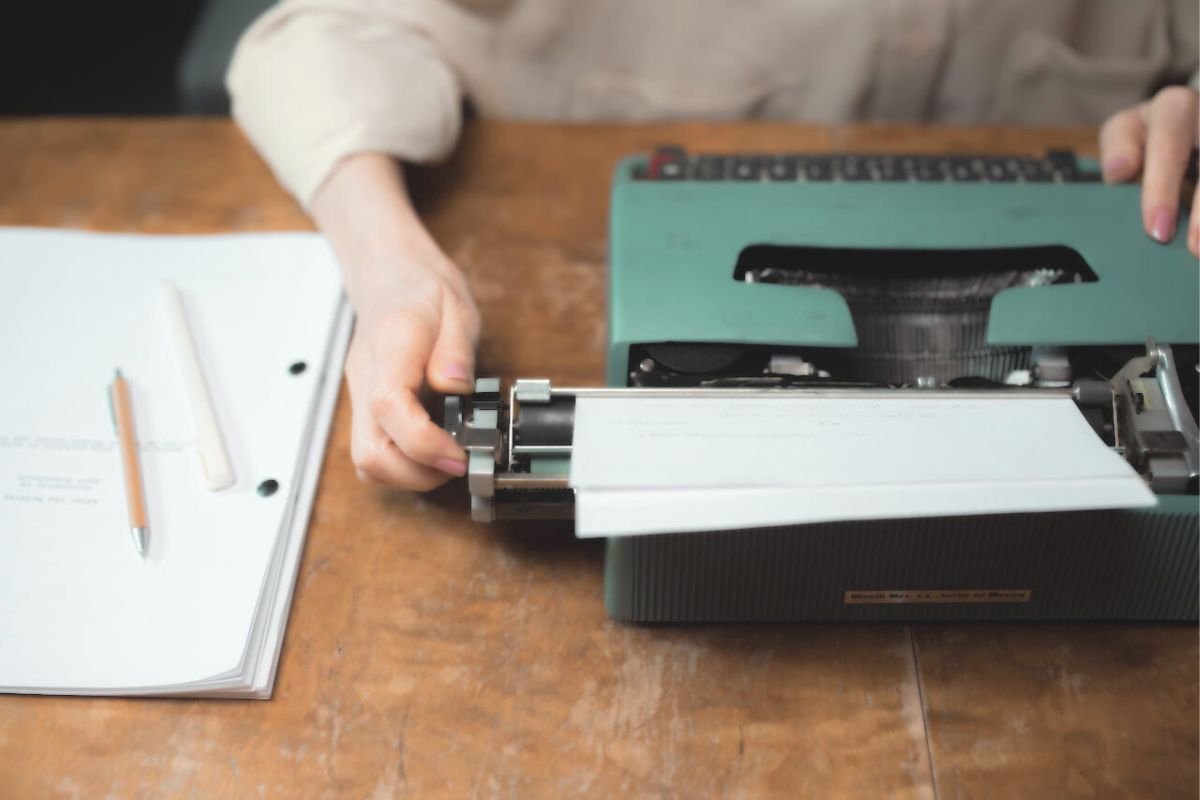
So I’ll keep writing for as long as I can. Maybe one day it won’t be as often. Maybe I’ll have to slow down. But as long as I can lift a pen or tap a few keys, I’ll keep going.
Not because anyone expects me to.
But because it gives me purpose. It means something to me.
To me, writing is like a dying person holding onto a single blade of grass. Fragile, yes, but it’s hope. It’s a sliver of light in the dark. And right now, that’s what I’m clinging to.
Endure. Endure.
For that hope. For that light.
If you find my persistence amusing, please, don’t laugh too hard. There’s an old saying: “An old man who refuses to die becomes a thief.” It’s meant half as a joke, half as a warning, about hanging on too long and becoming a burden.
But anyone who’s loved life, or someone in it, knows exactly why we hesitate to let go.
And yes, I’ll admit it: sometimes I feel like I should have gone already.
But I’m still here.
So while I am… I’ll keep doing the only thing I know how to do.
I’ll keep holding on.
My Thoughts on Ageing vs Death
Dear readers,
Wu Chonglan’s piece, “Endure,” stirred something deep within me. There was one line I haven’t been able to shake, when she said that the elderly no longer have dreams, as if staying alive becomes nothing more than waiting for the end.
That line haunted me.
It made me ask myself something I’d never really considered:
Between ageing and death… which is more frightening?
The Quiet Terror of Ageing
Honestly? I think ageing is more frightening than death.
Death, in itself, isn’t terrifying, not really. Nearly a hundred billion people have already passed through that door since the beginning of time. It’s a universal experience. When you really think about it, everyone you see: strangers on the street, friends, loved ones, most won’t live to 100. One day, we all return to the same place.
So what’s there to be afraid of?
Life is brief. Death is certain. But death, in many ways, can feel like a release.
Ageing, though, is something else entirely. Especially the kind of ageing that strips you of your ability to care for yourself. When you’re young, you take so much for granted: eating on your own, sleeping through the night, using the bathroom without help. You don’t think twice.
But when those simple things begin to fade… ageing starts to feel cruel.
When Dignity Slips Away
The fear isn’t just physical, it’s emotional and spiritual. You begin to feel like life is punishing you slowly. Dignity doesn’t disappear all at once. It vanishes quietly, piece by piece.
Sometimes, that gradual decline is accompanied by changes in memory, judgement, communication, or awareness that loved ones initially dismiss as normal ageing.
You feel helpless. Vulnerable. Anxious. You start relying on others for everything, sometimes people whose patience is thin, or whose love has grown distant. And if you’re unlucky enough to be met with coldness, resentment, or neglect?
The loneliness cuts especially deep.
And so, when I think about the final chapter of life, I sigh.
No, I’m not afraid of dying.
I’m afraid of ageing badly, of slowly losing the foundations that make life meaningful, and of forgetting what ageing well actually depends on.
I’m afraid we’ve never been taught how to age.
Does it really have to be as grim as Wu Chonglan described?
A Different Ending Is Possible
After reading her piece, do you feel it too?
That quiet fear?
That’s why I believe, while we still can, we need to care for ourselves in every way possible. Not just physically, but emotionally and mentally too.
Because if we can protect our health, our independence, and our self-respect, then maybe ageing doesn’t have to be so terrifying after all. In many ways, this comes down to how we support the body over time, through circulation, daily habits, and small choices that shape our later years.
Let’s do what we can,
while it still matters.
Continue Exploring
If this reflection stirred something in you, these pieces explore different sides of ageing, from emotional clarity to daily living:
- How small daily habits shape how the body holds up over time → (Post 080)
- Ways to keep family relationships steady as the years pass → (Post 014)
- Words that can quietly damage connection as we grow older → (Post 072)
- Noticing how time moves faster than we expect → (Post 066)
- What decades of sharing a life can teach us about love and loss → (Post 093)
- Recognising changes that may be more than normal ageing → (Post 095)
- Reflecting on what truly matters across a lifetime → (Post 038)
People Also Ask
Frequently Asked Questions About Fear of Ageing and Death
Is it normal to fear ageing more than death?
Yes, it is more common than many people realise. While death is often seen as a single, inevitable moment, ageing is experienced gradually. The fear usually comes from losing independence, dignity, and physical ability over time rather than from death itself.
Why does ageing feel more frightening than dying?
Ageing can feel more frightening because it involves ongoing physical and emotional changes. Many people fear becoming dependent on others, experiencing long-term discomfort, or losing their sense of identity. Death, by contrast, is often viewed as a release from prolonged struggle.
What is the emotional impact of caring for elderly parents or partners?
Caring for an ageing loved one can bring deep meaning, but it can also lead to emotional and physical exhaustion. Feelings of guilt, frustration, and sadness are common. These responses do not reflect a lack of love, but the weight of continuous responsibility.
Do elderly people feel like a burden to others?
Some elderly individuals do feel this way, especially when they become more dependent. This feeling often comes from a loss of independence rather than how others truly see them. Open communication and emotional support can help ease this fear.
How can we cope with the fear of ageing?
Coping with the fear of ageing often begins with acceptance and preparation. Taking care of physical health, maintaining relationships, and developing emotional resilience can help reduce anxiety about the future. Small, consistent habits can make a meaningful difference over time.
Can ageing be less difficult with the right habits?
While ageing cannot be stopped, its effects can be influenced. Daily habits such as movement, hydration, and proper nutrition support the body’s ability to function over time. These small choices can help maintain independence and improve quality of life in later years.