Ageing Well: Why a Woman’s Happiness in Later Life Depends on These 3 Things
06 JANUARY 2026
A Woman’s Greatest Source of Support in Later Life
When it comes to ageing well, many women are taught to believe their greatest source of security will be their husband or children. But as life unfolds, many discover that happiness and stability in later life often depend on something far more reliable: financial independence, meaningful passions, and good health.
The Woman Who Refused to Settle
I know an incredible woman. She’s 35, unmarried, but confident, financially secure, and thriving in her career. It’s not that she thinks marriage doesn’t matter, quite the opposite. She believes it matters so deeply that she refuses to settle for someone who isn’t right for her. She’d rather stay single than build a life that doesn’t fit.
For years, she poured her energy into building a fulfilling life, working hard, achieving success, and enjoying her independence. Her days were full, her friendships meaningful, her lifestyle comfortable. For a long time, that was enough.
When Contentment Turns Into Quiet Doubt
Lately, though, anxiety has crept in. Her loving parents have never stopped urging her to marry. Many of her friends now have families of their own, and sometimes she feels like the odd one out. Her parents often remind her that one day, when she’s old, there might be no one to care for her.
She’s heard it so many times that she can almost see it now: herself, old and alone in a quiet apartment. And for the first time, she starts to wonder, maybe they’re right? Maybe she should settle for someone “good enough,” just so she won’t have to face old age by herself.
Why Many Women Fear Growing Old Alone
This fear is familiar to many women who remain single as they grow older. Society has long suggested that a woman’s safety net lies in her husband and children. Yet when we step back and examine the three core relationships that shape our lives, it becomes clear that no single bond can carry the full weight of our future security.
When we look honestly at the reality of ageing well, the picture becomes more complex. Can women truly rely on their husbands or children in old age? In many cases, the answer is less certain than we would like to believe.
The Harsh Truth About Dependence
A well-known writer once shared an observation from her time in the hospital. Most of the elderly women there weren’t cared for by their husbands, but by their daughters or hired caregivers. Many men, especially from older generations, simply didn’t know how, or didn’t feel equipped, to take on that nurturing role.
And children? Even the most loving ones grow up and move away. They have their own families, careers, and responsibilities. They may provide emotional support from afar, but the day-to-day companionship many elderly parents dream of is rare.
Why Family Alone Cannot Guarantee Happiness in Old Age
Many elderly people spend most of their days alone. Their children visit occasionally, perhaps during holidays or when paperwork needs to be handled, but everyday care and companionship are uncommon.
It’s not a lack of love; it’s the weight of modern life. Many adult children are pulled in several directions at once: raising kids, managing careers, paying mortgages, caring for in-laws. Even when they want to help, they’re often too stretched to do more than check in now and then.
And as for husbands, not every man is naturally inclined toward caregiving. In older generations especially, many men often retreat into their own routines: fishing, playing cards, or spending time with friends. While women often crave emotional closeness and connection. If a man wasn’t attentive when he was young, he’s unlikely to suddenly become so in later years.
Children, too, eventually create lives of their own. They move to new cities or countries, visiting only a few times a year if they’re lucky.
That’s why counting on a husband or children for security or companionship in old age can be an unreliable plan.
The 3 Most Important Things for Ageing Well
A woman’s greatest strength in later life often lies not in others, but in herself, in three things she can hold firmly in her own hands: her financial independence, her dreams, and her health.
1. Financial Independence
Let’s start with something simple but vital, money.
It might not buy happiness, but a lack of it can easily steal peace, especially in old age. Once you retire, your income shifts from a steady paycheck to a pension, savings, or whatever you’ve managed to set aside. Daily living might still be fine, but one hospital bill or emergency can turn everything upside down. That’s why savings and insurance aren’t luxuries, they’re lifelines.
When you’re financially secure, you gain freedom from two heavy burdens: fear and guilt. You don’t have to worry about who will care for you if you fall ill, or feel ashamed of becoming “a burden” to your children. You can afford professional caregivers, hire help for the home, and recover with dignity.
And when you’re healthy? That’s when money becomes more than just protection, it becomes possibility. You can take that trip you always dreamed of, try new hobbies, or buy small comforts without asking anyone’s permission.
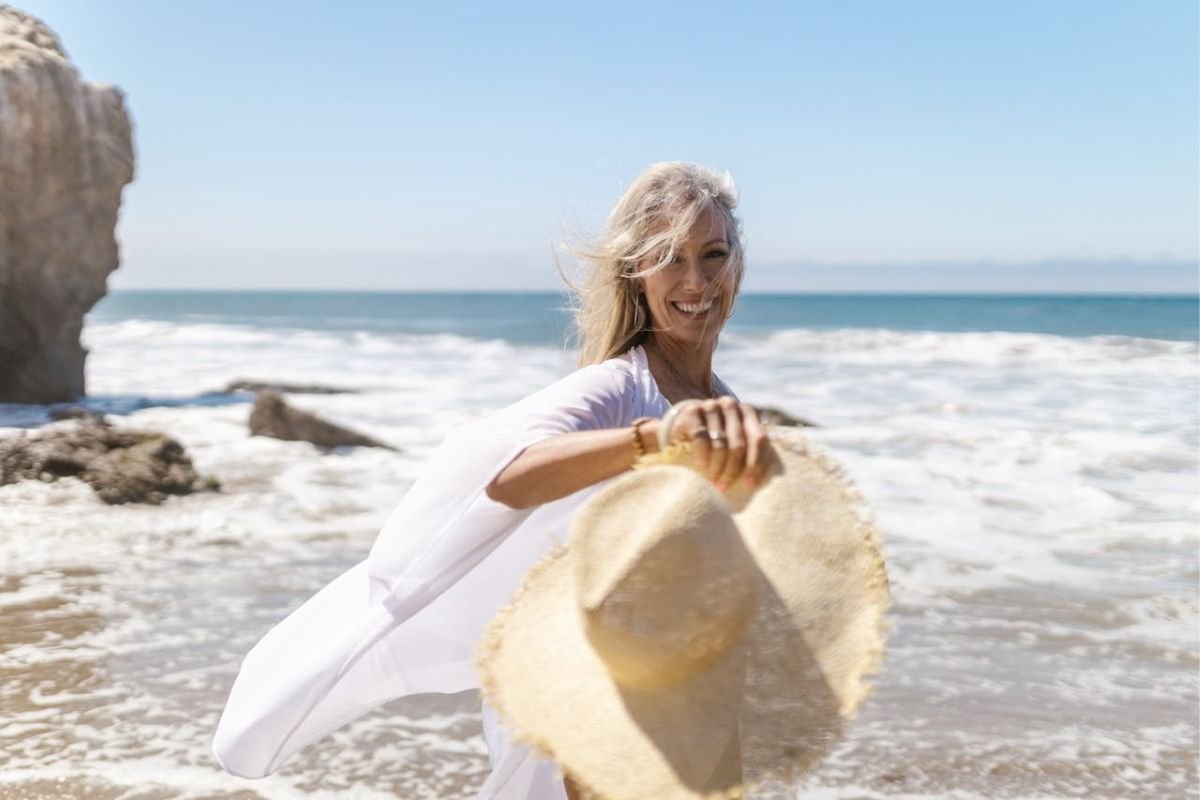
In many European countries like Germany and the Netherlands, elderly people often live independently, not because they’re distant from their families, but because they’ve prepared well. They value self-sufficiency, and continue to travel, socialise, and keep learning, showing that aging can still be full of vitality when supported by financial freedom.
But that kind of independence doesn’t happen by chance. It’s built on years of preparation: saving, investing, and making thoughtful choices. Financial security is what lets you grow old without fear, whether or not you have a husband or children by your side. It gives you the power to live life on your own terms, with comfort, confidence, and peace of mind.
2. Meaningful Passions and Purpose
Once your finances give you stability, the next thing that keeps you truly alive is having something to look forward to. A dream, a passion, or a simple curiosity that keeps your days meaningful.
Many people think dreams are for the young, that aging means slowing down and quietly watching life go by. But that kind of thinking underestimates what it means to live. Dreams don’t have an expiration date. No matter your age, you still have the right to grow, to explore, and to wake up with a spark of purpose.

Take Japan’s “DJ Sumirock,” whose real name is Sumiko Iwamuro. At 82, after decades of running her family’s dumpling shop, she began DJing at Tokyo nightclubs. Her husband had passed away, and she had no children. But instead of retreating into solitude, she filled her life with rhythm, music, and laughter. She became one of the world’s oldest DJs, proving that age can’t stop joy when the heart stays curious. She even learned new skills in her eighties: driving, and studying English. Simply because she wanted to.
Then there’s Grandma Moses, the American folk artist who didn’t start painting until she was 77. For most of her life, she’d been a farmwife and mother. When arthritis made embroidery too painful, she picked up a paintbrush instead. Her art flourished, and she became one of the most beloved painters of her generation. Her most successful, fulfilling years came not in her youth, but in her old age.
Stories like theirs remind us that later life doesn’t have to mean fading away. It can be creative, exciting, and full of discovery if you stay open to what still calls to you.
People often fear loneliness in old age, but loneliness isn’t just the absence of others. It’s the absence of passion. When you have a dream to chase, a hobby to enjoy, or a goal to nurture, your spirit stays alive, and age becomes just a number.
So keep chasing your passions. Whether you’re 35 or 85, keep doing the things that light you up inside. Because those dreams don’t just fill your time, they fill your heart. And that’s what keeps you young no matter how many birthdays pass.
3. Good Health and Physical Independence
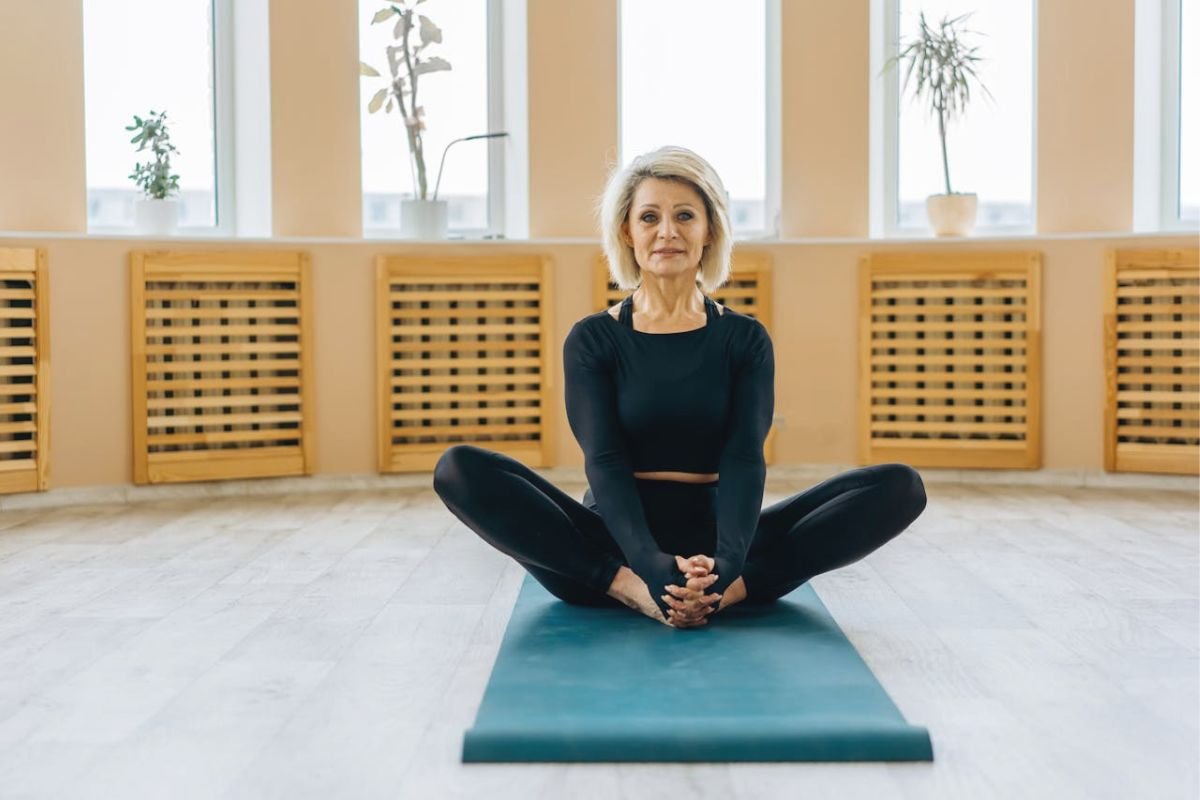
Of all the things a woman can possess in old age, a healthy body might be the most valuable of all. With good health comes freedom. Fewer illnesses, less pain, and more control over how you spend your days.
Many people suffer in their later years because their bodies can no longer keep up. Years of neglect: skipping exercise, eating poorly, or pushing through stress, often leave marks that appear later as chronic issues: high blood pressure, aching joints, diabetes, heart troubles. Even small, recurring ailments can slowly drain one’s energy and joy.
In old age, illness becomes something people fear for two reasons: it costs money, and it can make you dependent on others.
I once met an elderly woman who spent her later years in both physical and emotional pain. Her health was fragile, and her husband preferred socialising to caring for her. Her children, though loving, were overwhelmed by their own responsibilities. They sent money, but rarely had time. She had a caregiver, but what she longed for most wasn’t just help, it was company, warmth, laughter. The small moments of shared presence that make life feel worth living.
That’s why caring for your body early in life is one of the deepest forms of self-respect. A strong, healthy body spares you unnecessary suffering later on. Those who stay well into their older years often live more freely. They travel, make new friends, pursue hobbies, and enjoy life on their own terms.
The truth is, ageing itself isn’t frightening. What often unsettles us is why growing old can feel more frightening than dying, the fear of losing independence, dignity, and control over our own lives.
If we understand that this loss of autonomy is what truly troubles us, the solution becomes clearer. By caring for your health now: eating well, staying active, managing stress, and getting regular checkups. You give yourself the gift of freedom in the years to come.
Whether you’re married or single, with children or without, the quality of your old age depends less on who’s beside you and more on how well you’ve cared for yourself. Because when your security depends on others, it can never be fully guaranteed. Life changes, people change, and circumstances shift. The only person you can truly rely on, in the end, is yourself.
Final Thoughts on Ageing Well

Happiness in later life isn’t built overnight. It grows slowly through the choices we make while we’re younger: saving what we can, caring for our health, and continuing to pursue the things that give life meaning.
The woman I mentioned at the beginning still hasn’t married, but she no longer fears the future in the same way. She is preparing for later life by strengthening the things she can truly rely on: her financial independence, her health, and the passions that keep her spirit alive. She has learned that the kind of security she once sought from others was always meant to come from within, a lesson many of us struggle with when we haven’t understood why self-love feels so difficult.
Perhaps that is the real secret to ageing well.
A woman’s greatest source of security in old age is not always her husband or her children, but the life she builds within herself. When she nurtures her independence, purpose, and wellbeing, she creates a future filled not just with survival, but with freedom, dignity, and peace.
People Also Ask
Frequently Asked Questions About Ageing Well and Women’s Independence
What does ageing well mean for women?
Ageing well for women means maintaining independence, purpose, and wellbeing in later life. It involves caring for financial stability, physical health, and personal fulfilment rather than relying solely on family for support.
Why shouldn’t women rely only on family for support in old age?
While family can provide love and emotional connection, they may not always be available for daily care due to their own responsibilities. Building personal independence ensures stability and reduces the risk of loneliness or dependence.
What are the most important factors for a woman’s happiness in later life?
The three key factors are financial security, a sense of purpose or passion, and good physical health. Together, these provide stability, meaning, and freedom.
How important is financial independence for women as they age?
Financial independence is essential because it allows women to support themselves, access healthcare, and maintain dignity without relying on others. It also provides freedom to make personal choices and enjoy life.
Can women still pursue dreams later in life?
Yes, dreams do not have an age limit. Many women discover new passions or revisit old ones in later life, bringing joy, purpose, and a sense of achievement.
How does physical health affect quality of life in old age?
Good physical health supports independence, mobility, and overall wellbeing. It reduces reliance on others and allows women to stay active, social, and engaged in life.
What causes fear of ageing alone in women?
The fear often comes from societal expectations that link security to marriage and family. It can also stem from concerns about health, loneliness, and financial stability.
How can women prepare for a secure and fulfilling old age?
Women can prepare by saving and investing early, maintaining healthy habits, and cultivating interests or hobbies that bring long-term satisfaction.
Is it possible to be happy in old age without a partner or children?
Yes, happiness in old age is possible without a partner or children. A fulfilling life can be built through independence, meaningful activities, friendships, and self-care.
What is the biggest misconception about ageing and support?
A common misconception is that family will always provide full support. In reality, personal preparation and self-reliance often play a more reliable role in long-term wellbeing.