Hair Loss Causes: When Hair Loss Is More Than Cosmetic
30 JUNE 2026
When Hair Loss Is More Than Cosmetic: What Your Body May Be Trying to Tell You
For many people, hair is deeply tied to identity. That is why understanding the deeper hair loss causes behind thinning hair can feel so emotionally important. Hair is part of how we recognise ourselves in the mirror. Part of how we feel youthful, healthy, attractive, or emotionally secure. So when hair begins thinning, shedding, or disappearing in patches, it rarely feels like “just hair”.
Sometimes it happens gradually over years. Sometimes it happens suddenly, leaving handfuls of hair in the shower drain or scattered across a pillowcase. And sometimes it appears in dramatic circular patches almost overnight, a condition known medically as alopecia areata, once described in folk language as “ghost shaving”.
Hair loss can feel frightening because it often seems to appear without warning. But in many cases, the body is trying to communicate something deeper needs attention.
Hair Loss Causes Are Often More Complex Than They Seem
Many people assume hair loss is purely genetic. And while genetics certainly play a role, the deeper story is often far more complicated.
The shine, texture, and density of our hair can sometimes reflect changes happening elsewhere in the body, including stress levels, hormones, nutrition, immune balance, scalp health, circulation, sleep quality, and overall physical wellbeing.
In many ways, our hair behaves like a plant growing from the scalp. For it to remain healthy and resilient, it depends on several systems working together:
- A healthy scalp environment
- Proper nutrition
- Good blood circulation
- Balanced hormones
- A stable immune system
- Consistent physical and emotional care
When one or more of these areas becomes strained, the hair often notices before we do.
Vitamin D Deficiency and Hair Loss
One factor receiving increasing attention in recent years is vitamin D deficiency.
Most people associate vitamin D with bone health, but it also supports immune function, skin health, inflammation regulation, and normal cell growth, including the cells involved in healthy hair growth.
Modern indoor lifestyles have made low vitamin D levels increasingly common, often affecting energy, immunity, mood, and other systems people may not immediately connect to nutrient deficiencies.
Sunlight helps the body produce vitamin D naturally. Once sunlight reaches the skin, the vitamin is processed through the liver and kidneys into a usable form that supports multiple systems throughout the body.
Modern lifestyles, however, have changed our relationship with sunlight.
Many of us spend most of our time indoors working, studying, commuting, or sitting in front of screens. Fresh air and natural daylight have become occasional experiences rather than daily routines.
As a result, many people unknowingly spend long periods with insufficient vitamin D levels.
Some studies suggest that people with certain types of hair loss, including alopecia areata, are more likely to have vitamin D deficiencies. While vitamin D deficiency alone is rarely the sole cause of thinning hair, it may contribute to increased hair shedding, fatigue, muscle aches, low mood, reduced bone strength, and weaker immune function.
A simple blood test can usually determine whether vitamin D levels are low. Supplements may help some people, although the right dose varies depending on individual health needs.
Healthy Scalp, Healthy Hair Growth

Healthy hair begins beneath the surface.
The scalp contains roughly 100,000 hair follicles, each cycling through phases of growth, rest, shedding, and renewal. Contrary to popular belief, scalp hair often remains in its growth phase for several years before naturally falling out and being replaced.
Losing around 50 to 100 hairs a day is usually considered normal.
Problems often begin when the scalp itself becomes inflamed, irritated, or unhealthy.
Some of the earliest signs of poor scalp health include:
- Persistent itching
- Heavy dandruff
- Redness
- Flaking
- Tenderness
- Burning sensations
- Bleeding caused by scratching
A small amount of dandruff is common. But severe itching, inflammation, or scaling may point to underlying scalp conditions that deserve medical attention.
Scalp Conditions That Can Affect Hair Growth
Several scalp disorders can interfere with healthy hair growth.
Fungal infections such as scalp ringworm can cause patchy hair loss, especially in children. Conditions like psoriasis and lichen planus may inflame the scalp and damage hair follicles over time if left untreated.
Another common issue is folliculitis, an inflammation of the hair follicles that may be linked to bacteria, excess oil, blocked follicles, sweat, irritation, shaving, or immune-related causes.
Then there is alopecia areata, the condition once described as “ghost shaving”.
Despite the old folklore surrounding it, alopecia areata is not caused by spirits or infection. It is an autoimmune condition where the immune system mistakenly attacks healthy hair follicles. Genetics, illness, emotional stress, and immune dysfunction may all contribute.
For many people, the hair eventually grows back. But the emotional impact of hair loss often lasts much longer than outsiders realise.
Hair thinning can affect confidence, identity, femininity, masculinity, ageing, intimacy, and self-image in deeply personal ways.
Listening to the Signals
Hair loss is not always preventable, and it is not always dangerous. Sometimes it is temporary. Sometimes it is genetic. Sometimes it reflects stress, illness, nutritional deficiencies, hormonal shifts, immune dysfunction, or scalp inflammation.
But dismissing it as “only cosmetic” can sometimes mean overlooking important signals from the body.
Paying attention to those early changes with curiosity rather than shame may help people recognise underlying health issues earlier, seek proper support, and care for themselves more compassionately, both physically and emotionally.
So How Do We Protect Our Scalp?
When people begin losing hair, they often focus on what is happening on the surface.
Different shampoos. Supplements. Oils. Treatments. Serums.
But healthy hair usually begins much deeper than that.
Hair follicles are among the most active structures in the body, constantly growing, resting, shedding, and rebuilding. To do that well, they depend on something incredibly simple yet easy to overlook: a healthy supply of oxygen, nutrients, hormones, and blood flow.
In many ways, our hair reflects how well the rest of the body is functioning.
Hair Depends on More Than Genetics
It is easy to assume hair loss is purely genetic, especially when it runs in families. And while genetics certainly matter, they are rarely the entire story.
The body’s internal balance also plays a major role.
Factors that affect circulation, nutrition, hormones, inflammation, stress, and immune function can all influence how the hair grows, how long it stays in its growth phase, and how much shedding occurs.
Sometimes the body redirects its energy toward more urgent survival needs, and hair becomes less of a priority.
Hydration and Circulation Matter
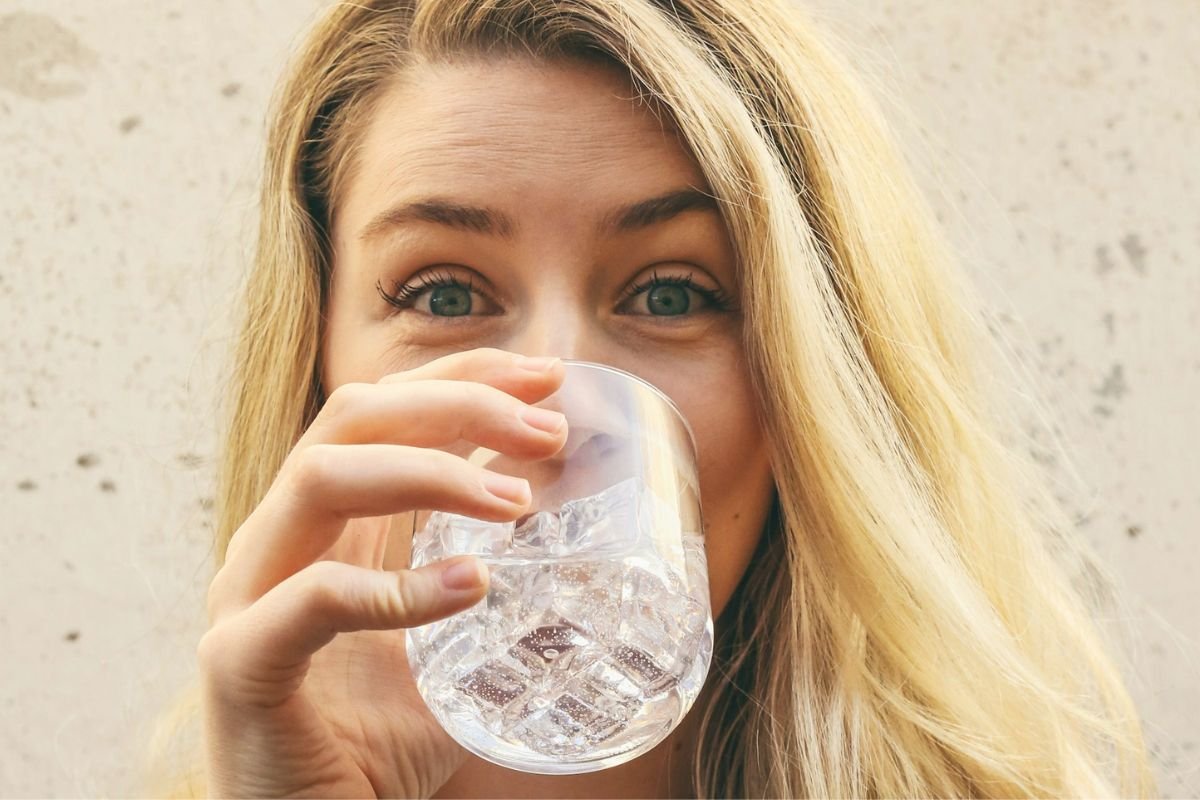
One of the most overlooked factors is hydration.
The body depends on adequate fluid levels to maintain healthy circulation and transport nutrients throughout the body, including the scalp. While dehydration alone is not usually responsible for major hair loss, poor hydration can affect scalp health, skin condition, and the texture and resilience of the hair itself.
Circulation matters because hair follicles are highly active tissues. They need a steady supply of oxygen and nutrients to support healthy growth.
When the body is under strain, whether through illness, exhaustion, nutritional imbalance, or chronic stress, that supply system can become less efficient.
The Nutrients Hair Follicles Rely On
Hair may seem simple, but biologically it is surprisingly demanding.
Hair itself is largely made of keratin, a structural protein. Creating strong, healthy hair requires adequate protein intake alongside a wide range of vitamins, minerals, and healthy fats.
Iron, zinc, selenium, vitamin D, B vitamins, omega-3 fatty acids, and magnesium all help support normal hair follicle function.
Zinc in particular plays an important role in immune balance, tissue repair, gut health, and normal hair growth, which is one reason deficiency symptoms can sometimes appear in the skin, scalp, mood, and digestive system simultaneously.
Modern eating habits, however, do not always support healthy hair growth very well.
Highly restrictive diets, rapid weight loss, chronic under-eating, and poorly balanced vegan or vegetarian diets can all place stress on the body. When the body lacks adequate nutrients, it begins prioritising essential survival functions over hair growth.
Hair growth may slow down as a result.
This is one reason temporary shedding is common after significant stress, illness, surgery, childbirth, or major dietary changes. The body is attempting to recover balance, even if the mirror tells a more unsettling story.
Stress and Hair Loss Are Closely Connected
Stress reaches much deeper into the body than many people realise.
Prolonged emotional strain can disrupt hormone balance, sleep quality, immune function, inflammation levels, and the normal hair growth cycle. In some people, chronic stress becomes one of the major hair loss causes hiding beneath the surface.
Hair loss itself can then create even more emotional stress, creating a painful cycle that many people struggle to explain to others.
Sometimes it is not one dramatic event causing the problem. Instead, it is months or years of accumulated exhaustion, anxiety, poor sleep, nutritional deficiencies, emotional pressure, and physical strain slowly affecting the body over time.
The body keeps adapting until eventually something becomes visible.
Hormones, Thyroid Health, and Hair Loss
Hormones are another major piece of the puzzle.
These chemical messengers regulate metabolism, stress response, reproduction, energy levels, and the hair growth cycle itself. Even relatively small hormonal shifts can sometimes affect the hair.
One of the first conditions doctors often investigate in unexplained hair loss is thyroid dysfunction.
Both underactive and overactive thyroid conditions can contribute to thinning hair. And because thyroid hormones affect so many systems throughout the body, hair loss is often accompanied by other symptoms such as:
- Fatigue
- Feeling unusually cold
- Weight changes
- Dry skin
- Swelling
- Constipation
- Low mood
- Brain fog
- Difficulty concentrating
For many people, hair loss becomes the symptom that finally pushes them to seek medical help, only to discover something deeper happening beneath the surface.
When Hair Loss Signals a Deeper Health Issue
Many thyroid conditions are connected to autoimmune disease, where the immune system mistakenly attacks the body’s own tissues.
This is one reason hair loss deserves more compassion than it often receives.
People experiencing hair thinning are frequently told it is “just stress” or “just cosmetic”. But sometimes the body is trying to send an early warning sign that something internally needs care, attention, or treatment.
And sometimes, the emotional weight of losing hair becomes its own form of suffering, especially when people feel dismissed, embarrassed, or unable to explain what they are going through.
Hair loss may begin on the scalp, but it often reaches much deeper into a person’s confidence, identity, and emotional wellbeing than most people realise.
When the Body Turns Against Itself
Why do autoimmune diseases happen in the first place?
Scientists are still trying to fully understand that question. What researchers do know is that autoimmune conditions rarely develop because of one single cause alone. Instead, they appear to emerge from a complicated mix of genetics, immune system regulation, hormones, infections, environmental triggers, chronic stress, and lifestyle factors.
The body is incredibly complex. Sometimes the systems designed to protect us become confused and begin attacking healthy tissues instead.
Hair follicles can become one of those unintended targets.
Why Hair Loss Looks Different in Men and Women
Hair loss patterns in men and women are often very different.
Men often notice thinning around the temples or crown of the head, while women are more likely to experience gradual thinning across the scalp, especially around the parting line.
Genetics play a major role in male pattern baldness, also known as androgenetic alopecia. Despite the popular myth that baldness only comes from the mother’s side of the family, the reality is more complicated. Genes from both parents contribute to hair loss risk, although certain hormone-related genes carried on the X chromosome can make maternal family history appear especially noticeable.
Looking at close relatives may offer clues, but genetics are never a perfect prediction of what will happen to any individual person.
Hormones, Ageing, and the Changing Hairline
Hormones also shape the health and behaviour of our hair throughout life.
In men, sensitivity to a hormone called dihydrotestosterone (DHT) is strongly linked to male pattern baldness. In women, hormonal changes connected to pregnancy, menopause, polycystic ovary syndrome, thyroid conditions, or other endocrine disorders may influence hair growth and shedding.
Sometimes the changes happen slowly enough that people barely notice at first.
A slightly wider parting line.
A thinner ponytail.
More strands caught in a hairbrush than usual.
Then one day, the change suddenly feels impossible to ignore.
Ageing itself also changes the hair. Over time, hair often becomes finer, slower growing, greyer, and less dense. Reduced hormone levels may contribute to this process, but ageing involves many systems changing together, including circulation, collagen production, pigment cells, cellular repair, and metabolism.
In many ways, the hair simply reflects the passing of time happening inside the body.
Ancient Ideas, Modern Understanding

Traditional Chinese medicine has long associated healthy hair with strong kidneys and healthy blood.
Modern medicine does not interpret these ideas literally, but many people still connect with the broader wisdom underneath them: that healthy hair often reflects overall vitality, nourishment, and physical wellbeing.
Traditional diets have often emphasised foods such as black sesame, beans, mushrooms, seaweed, nuts, and other nutrient-rich ingredients because they contain proteins, healthy fats, minerals, antioxidants, and trace elements that support general health.
These foods are not miracle cures for hair loss. But consistently nourishing the body well over time may help support healthier hair alongside overall wellbeing.
Ageing Begins Earlier Than Most People Think
One uncomfortable truth about ageing is that it rarely begins when we expect it to.
Many people imagine ageing starts somewhere in middle age. In reality, gradual biological changes can begin much earlier, sometimes even in our twenties and thirties.
Collagen production slowly shifts.
Recovery becomes less efficient.
Hormones begin changing.
Stress accumulates.
Sleep becomes more important.
The habits repeated consistently every day often matter more than dramatic health changes later on.
That does not mean people should live in fear of ageing. It simply means the body notices how we care for it over time.
Small Habits That Support Healthy Hair Growth
There is no miracle cure for hair loss. But there are practical habits that may help support both hair health and overall wellbeing.
Prioritise Sleep
Sleep is one of the body’s most important repair systems.
During sleep, the body regulates hormones, repairs tissues, supports immune balance, and recovers from stress. Chronic sleep deprivation can place prolonged strain on these systems, which may worsen hair shedding in some people.
There is no universal perfect bedtime, but regular, sufficient sleep matters more than many people realise.
Eat a Balanced, Nutrient-Rich Diet
Hair follicles rely on a steady supply of nutrients to function properly.
Protein, iron, zinc, omega-3 fatty acids, B vitamins, vitamin D, and antioxidants all help support healthy hair growth and scalp health. Vitamin C in particular helps support collagen production, tissue repair, and antioxidant protection throughout the body. A balanced diet containing vegetables, fruits, legumes, nuts, fish, eggs, and quality protein sources helps support the body’s broader repair systems as well.
Hair health rarely depends on one “superfood”. It usually reflects long-term patterns of nourishment.
Reduce Ultra-Processed Foods
Diets high in ultra-processed foods, excessive sugar, and heavily fried foods may contribute to inflammation and metabolic stress over time.
The effects are not always immediate. Often they build slowly in the background, influencing energy, skin, circulation, inflammation, and overall health in ways people may not immediately connect to their hair.
Avoid Constant Tension on the Hair
Some hairstyles place continuous strain on the follicles.
Tight ponytails, braids, buns, and extensions can gradually lead to traction alopecia, a form of hair loss caused by repeated pulling over time.
The damage usually develops slowly, making it easy to overlook in the beginning.
Treat the Scalp Gently
The scalp responds to stress too.
Frequent bleaching, harsh chemical treatments, excessive heat styling, and some permanent hair dyes may irritate the scalp or weaken the hair shaft. Ingredients such as para-phenylenediamine (PPD), found in many hair dyes, can trigger allergic reactions in sensitive individuals.
Sometimes healthier hair begins with less damage rather than more products.
Exercise and Circulation
Exercise supports circulation, cardiovascular health, sleep quality, stress regulation, and metabolic balance. Over time, healthy circulation helps deliver oxygen and nutrients to highly active tissues throughout the body, including the scalp, skin, muscles, and brain.
While exercise does not directly “feed” the hair follicles in a simple way, healthier body systems often create healthier conditions for hair growth overall.
Protect Your Mental and Emotional Health
Emotional stress can influence the body far more deeply than many people realise.
Practices such as exercise, therapy, meditation, supportive relationships, time outdoors, journalling, and intentional rest may help regulate stress and support both physical and emotional health over time.
The body and mind are never completely separate.
What Hair Sometimes Tries to Tell Us

Hair may appear cosmetic on the surface, but for many people, losing it becomes emotional long before it becomes medical.
It can affect confidence, self-image, ageing, identity, and the feeling of recognising yourself in the mirror.
And sometimes, beneath the shedding itself, the body is asking for care.
More rest.
Better nourishment.
Medical attention.
Stress recovery.
Compassion.
Perhaps that is the deeper lesson hidden inside many hair loss causes. The body often whispers long before it begins demanding to be heard.
Explore More
- Why modern indoor living may be affecting energy, immunity, and overall wellbeing through low vitamin D levels → (Post 086)
- How zinc supports immune balance, digestion, mood, and normal tissue repair → (Post 089)
- Why circulation and everyday habits play a larger role in healthy ageing than many people realise → (Post 080)
- The role antioxidants and vitamin C play in collagen production, repair, and long-term health → (Post 070)
People Also Ask
Frequently Asked Questions About Hair Loss
Can stress cause hair loss?
Yes, prolonged emotional or physical stress can disrupt the normal hair growth cycle and contribute to increased shedding. Stress may also affect sleep, hormones, immune balance, and inflammation, all of which can influence hair health.
Can vitamin D deficiency cause hair loss?
Low vitamin D levels have been linked to certain types of hair loss, including alopecia areata and increased hair shedding in some people. While vitamin D deficiency is rarely the only cause, it may contribute alongside stress, hormonal imbalance, poor nutrition, or underlying health conditions.
Is hair loss always genetic?
No. Genetics can play a major role in conditions such as male and female pattern hair loss, but hair thinning may also be connected to stress, illness, nutritional deficiencies, thyroid disorders, autoimmune conditions, medications, hormonal changes, or scalp inflammation.
What vitamin deficiencies can cause thinning hair?
Several nutrient deficiencies may contribute to thinning hair, including low levels of iron, vitamin D, zinc, biotin, protein, selenium, and certain B vitamins. Rapid weight loss and restrictive diets may also trigger temporary hair shedding.
When should I see a doctor about hair loss?
It is worth seeing a doctor if hair loss appears suddenly, develops in patches, is accompanied by itching or scalp inflammation, or occurs alongside symptoms such as fatigue, weight changes, hormonal symptoms, or ongoing illness.
Can poor sleep affect hair growth?
Yes. Sleep plays an important role in hormone regulation, immune balance, tissue repair, stress recovery, and overall health. Chronic sleep deprivation may increase physical stress on the body and contribute to hair shedding in some people.
What is alopecia areata?
Alopecia areata is an autoimmune condition where the immune system mistakenly attacks hair follicles, leading to sudden patchy hair loss. Hair often grows back over time, although the condition can sometimes return repeatedly.
Can diet improve hair health?
A balanced diet rich in protein, iron, healthy fats, vitamins, minerals, fruits, vegetables, and omega-3 fatty acids may help support healthier hair growth and scalp health over time. No single food can completely prevent hair loss, but long-term nourishment matters.
Does ageing always cause thinning hair?
Hair often becomes thinner, slower growing, and less dense with age because of changes in hormones, circulation, cellular repair, and metabolism. However, sudden or severe hair loss should still be properly evaluated to rule out underlying health issues.
Can emotional wellbeing affect hair health?
Yes. Emotional wellbeing and physical health are closely connected. Chronic stress, anxiety, burnout, grief, and emotional exhaustion may influence hormone signalling, inflammation, sleep quality, and the hair growth cycle itself.