Parents of Adult Children: 10 Lessons on Letting Go, Healthy Boundaries, and Family Harmony

28 JULY 2026
There comes a moment in every parent’s life when the role begins to change. For parents of adult children, that transition can be both beautiful and surprisingly difficult.
The children who once depended on us for everything slowly build lives of their own. They find partners, create households, raise children, and make decisions we may not always understand.
Letting go does not mean loving less. In many cases, it means learning how to love differently.
The following “Ten Pieces of Advice for Parents” contains some surprisingly direct observations about family life. At times, the advice may feel blunt, and not every point will apply to every family. Still, hidden within these ideas is a larger message about healthy family boundaries, emotional independence, and preserving family harmony across generations.
Many of these challenges stem from the changing nature of our closest relationships and how they evolve over time. Understanding the relationships that shape our lives can offer valuable perspective as families move through different stages together.
Take what resonates with you and leave the rest. Every family writes its own story.
First Advice to Parents
Why Living Separately from Adult Children Can Strengthen Relationships
When children become adults and begin building families of their own, one of the greatest things parents can offer is the freedom to establish an independent life.
Even when adult children invite their parents to move in, maintaining separate households is often worth considering. Parents can still offer support, help with grandchildren, and remain closely involved in family life without sharing the same roof.
Living separately does not mean becoming emotionally distant.
Instead, it recognises that two generations often have different ways of living and relating to the world.
Different routines. Different priorities. Different ways of doing things.
None of those differences make either generation right or wrong. They simply reflect different experiences and different seasons of life.
Many families discover that a little physical distance creates greater emotional closeness. Fewer daily frustrations leave more room for appreciation, affection, and mutual respect.
For many parents of grown children, living separately from adult children can actually strengthen relationships rather than weaken them. Healthy parent-child relationships are often built on respect for each other’s independence.
Sometimes the healthiest relationships are not the ones that spend the most time together, but the ones that give each other enough room to breathe.
Second Advice to Parents
Choose Encouragement Over Criticism
Most parents never stop seeing traces of the child they once raised.
A son may be fifty years old. A daughter may have children of her own. Yet somewhere in a parent’s heart, they still carry memories of scraped knees, school uniforms, and bedtime stories.
Because of this, it can be tempting to offer corrections and advice.
Relationships with sons-in-law and daughters-in-law, however, often require a different approach.
What feels like helpful guidance to one person may feel like criticism to another.
Most adults want to feel respected, especially within their own homes and marriages.
Whenever possible, offer encouragement before correction. Listen before advising. Support before judging. The words parents choose can leave a lasting impression, and certain phrases can create distance even when spoken with good intentions. Learning what parents should avoid saying to adult children can help preserve trust and mutual respect.
People rarely forget how they were made to feel, and relationships built on respect tend to grow much stronger than those built on constant criticism.
Third Advice to Parents
Not Every Problem Needs Your Involvement
One of the hardest lessons for many parents is accepting that their children’s marriages belong to them.
Perhaps your son-in-law spends money differently than you would. Perhaps your daughter-in-law approaches housework, parenting, or daily life in ways that seem unfamiliar.
Every generation has habits that puzzle the generation before it.
The temptation is to step in and fix things.
Yet most marital challenges are best worked through by the couple themselves.
Learning when not to intervene can be just as important as knowing when to help.
There is another side to this as well.
When frustrations arise, resist the urge to share them with relatives, neighbours, or friends. Family grievances often travel further than intended, and once spoken, words cannot always be taken back.
Protecting your family’s privacy is one of the simplest ways to protect its unity.
Patience, discretion, and understanding often accomplish far more than criticism ever could.
Fourth Advice to Parents
Healthy Family Boundaries When Living Together
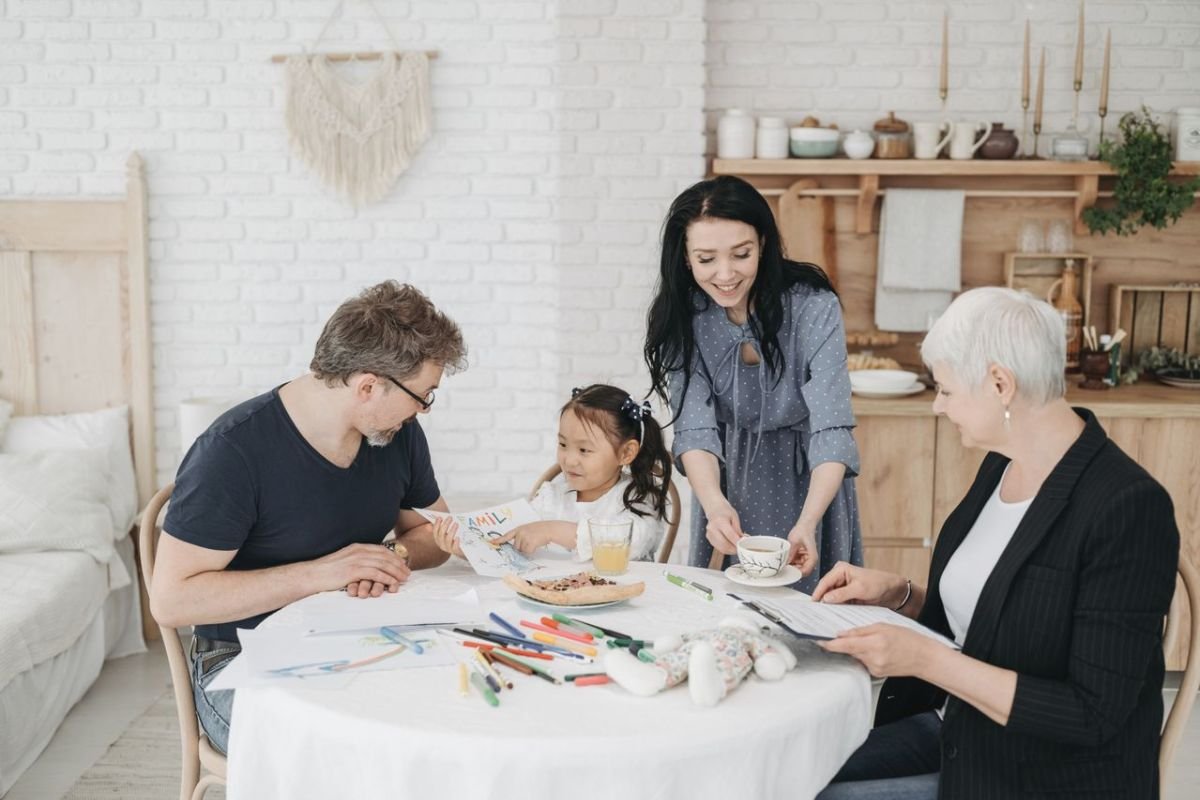
Sometimes living separately is not possible.
Health concerns, financial realities, or family circumstances may bring multiple generations under one roof.
When that happens, healthy boundaries become essential.
Respect private belongings and personal space. Avoid taking responsibility for every task in the household simply because you feel obligated.
Many parents gradually slip into the role of unpaid caretaker, cook, cleaner, and problem-solver without ever discussing expectations.
Over time, exhaustion and resentment can gradually build. Small habits and unspoken expectations can slowly strain family relationships, which is why it helps to understand how to avoid common mistakes that create resentment before those feelings become deeply rooted.
Clear conversations about responsibilities help prevent misunderstandings before they grow into larger issues.
The goal is not perfection.
The goal is creating a home where everyone feels respected, appreciated, and understood.
Successful shared living depends less on control and more on cooperation.
Fifth Advice to Parents
Resist the Urge to Take Sides
Few situations place parents in a more uncomfortable position than witnessing an argument between their child and their spouse.
The instinct to defend your son or daughter is completely natural.
Yet stepping into the middle of marital disagreements often creates more complications than solutions.
Think back to your own marriage.
Would you have wanted your parents listening to every disagreement or offering opinions during every difficult conversation?
Most couples eventually work through their conflicts together.
Parents can often serve their families best by remaining calm, supportive, and neutral.
If your son complains about his wife, try not to add fuel to the fire. Gently remind him of her strengths.
If your daughter complains about her husband, help her see the bigger picture.
Likewise, if a son-in-law or daughter-in-law comes to you with frustrations, resist the temptation to immediately take their side against your own child.
The strongest families are not built by choosing sides.
They are built by encouraging understanding.
Sometimes the most valuable thing a parent can do is remain a steady presence while allowing the couple to find their own way forward.
Sixth Advice to Parents
The Grandparent’s Role in Raising Grandchildren
Becoming a grandparent is one of life’s great joys.
After years of carrying the responsibilities of parenthood, you suddenly get to experience children again from a different perspective. There is often more patience, more perspective, and a deeper appreciation for how quickly childhood passes.
But there is also an important distinction to remember.
Your grandchildren are precious to you, yet they are not your children.
Their parents are your son and daughter-in-law, or your daughter and son-in-law. Your role matters deeply, but it is not the same role you once held.
This can be harder than it sounds.
Watching your children raise their children often stirs powerful emotions. You may see choices you would never have made. You may worry they are being too strict, too lenient, too protective, or not protective enough.
Every generation tends to believe it has learned something the previous generation missed.
And perhaps every generation is partly right.
Unless a child’s wellbeing is genuinely at risk, one of the greatest gifts grandparents can offer is trust. Trust that parents will learn. Trust that experience will teach them lessons no advice ever could.
Many grandparents discover that trying to direct every parenting decision only leads to frustration. The more they push, the less they are heard.
There is a difference between being supportive and being responsible.
The first brings connection.
The second often brings exhaustion.
The beauty of grandparenthood is that you can love deeply without carrying the entire weight of the journey.
Seventh Advice to Parents
Let Appreciation Speak Louder Than Resentment
Relationships between parents-in-law and their children’s spouses can be wonderfully rewarding.
They can also be complicated.
These relationships are often built between people who did not choose each other but are now connected through the people they love most.
That takes patience from everyone involved.
One helpful habit is to openly acknowledge kindness whenever you see it.
When your son-in-law or daughter-in-law treats you well, say so. Speak positively about them. Express gratitude freely.
People often hear criticism much more often than appreciation.
A few sincere words can strengthen a relationship far more than we realise.
Another habit is learning which disappointments deserve attention and which are better released.
Not every misunderstanding requires a family discussion.
Not every hurt needs to be shared with friends or relatives.
Families rarely become stronger by keeping score.
It also helps to forget certain things.
Forget the favours you have done.
Forget the small disappointments whenever possible.
This does not mean accepting mistreatment or ignoring serious problems. Healthy relationships still require honesty and self-respect.
It simply means recognising that lasting family bonds are usually built on generosity of spirit rather than perfect behaviour.
People tend to move towards those who make them feel accepted, not those who constantly remind them of their shortcomings.
Eighth Advice to Parents
When Their Marriage Struggles, Be a Safe Harbour
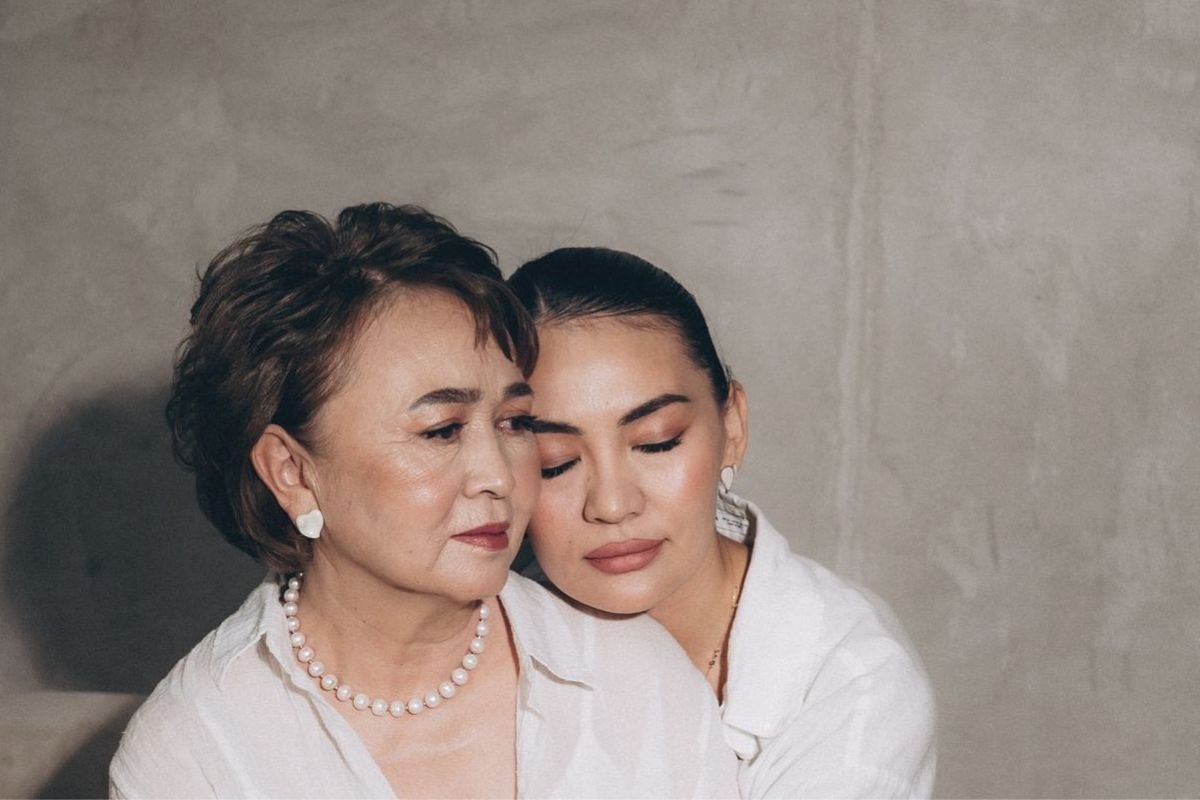
Few experiences are more painful for a parent than watching an adult child suffer.
Whether it is a troubled marriage, a separation, or the possibility of divorce, the instinct to protect your child never truly disappears.
Even when they are fifty years old, a part of you still sees the child you once carried in your arms.
Naturally, you want to fix the situation.
The difficult truth is that some situations cannot be fixed by anyone except the people living through them.
Your son or daughter knows their marriage more intimately than anyone else ever could. They understand the private moments, the history, the disappointments, and the hopes that outsiders cannot fully see.
This does not mean your advice has no value.
It means your presence may matter more than your opinion.
Sometimes what struggling people need most is not a solution. They need someone who will listen without judgement.
Someone who will love them regardless of the outcome.
Whether they remain together or choose different paths, your role is not to carry their marriage for them.
Your role is to remain a steady source of support.
That kind of love often helps more than any advice ever could.
Ninth Advice to Parents
Life After Raising Adult Children
Many parents spend decades putting themselves last.
They work longer hours than they wanted to. They postpone dreams. They worry about school fees, mortgages, illnesses, careers, and countless other responsibilities.
For years, their lives revolve around helping their children move forward.
Then one day the children grow up.
And many parents are left asking a difficult question:
What now?
The answer is simple, though not always easy.
Your life is still yours.
There are still places you have not seen.
Books you have not read.
Friendships you have not fully enjoyed.
Experiences waiting for you.
Growing older is not merely a process of letting go. It can also be a process of rediscovering parts of yourself that were placed on hold while raising a family.
This is also why financial independence matters.
Many parents sacrifice endlessly in the hope of leaving behind as much as possible for their children. Yet some become so focused on providing for the future that they forget to live in the present.
Money can be passed down.
Time cannot.
Of course, thoughtful inheritance planning has its place. But so does enjoying the life you spent decades building.
The greatest legacy many parents leave behind is not money.
It is the example they set.
Children who see their parents enjoying life, nurturing friendships, pursuing interests, and caring for themselves learn something valuable about healthy ageing.
After a lifetime of looking after everyone else, it is perfectly acceptable to spend some time looking after yourself.
You have earned that privilege.
For many ageing parents, discovering a renewed sense of purpose after raising children can be one of life’s most rewarding chapters.
Tenth Advice to Parents
Love Deeply, But Do Not Carry Every Burden
Grandparents often find themselves facing a challenge that no one really prepares them for.
After spending decades worrying about children, solving problems, making sacrifices, and putting family first, it can be difficult to stop carrying responsibility for everyone you love.
The habit becomes part of who you are.
You notice when a grandchild looks tired.
You worry when they seem unhappy.
You wonder whether they are eating well, doing well at school, or making good choices.
All of this comes from a place of love.
But love and responsibility are not always the same thing.
Your grandchildren are precious to you. They always will be.
Yet they already have parents whose role is to guide them through childhood, help them navigate life’s challenges, and make the difficult decisions that come with raising a family.
Your role is different now.
You are there to encourage, support, celebrate, and love.
You do not have to carry every burden.
Many parents and grandparents spend so much time worrying about everyone else that they forget something important: they matter too.
When good things come your way, whether it is extra money, unexpected opportunities, or simply a free afternoon, allow yourself to enjoy them.
For years, you worked hard to create opportunities for your family. You worried, sacrificed, planned, and gave more than anyone ever saw.
Those efforts helped build the lives your children are living today.
Now it is perfectly reasonable to direct some of that care towards yourself.
Travel if you can.
Meet old friends for lunch.
Learn something that has always interested you.
Listen to music. Read books. Take long walks. Share experiences with your spouse.
Create memories that belong to this chapter of your life.
Growing older should not mean becoming smaller.
It should mean becoming freer.
Research consistently suggests that maintaining social connections, pursuing meaningful activities, and preserving independence contribute to greater wellbeing in later life.
Perhaps that is why one of the greatest gifts parents can give their adult children is the freedom to stand on their own feet.
And one of the greatest gifts they can give themselves is permission to do the same.
A Different Kind of Parenting

When children are young, good parenting often means being deeply involved in every part of their lives.
You teach.
You protect.
You guide.
You worry.
You show up for everything.
But successful parenting has an invisible finish line.
The goal was never to raise children who would need you forever.
The goal was to raise adults who could build lives of their own.
That transition can be surprisingly bittersweet.
Many parents spend years preparing their children for independence but very little time preparing themselves for what comes next.
Yet there is beauty in this stage of life.
You no longer need to carry every problem.
You no longer need to make every decision.
You no longer need to be responsible for everyone else’s happiness.
You can remain loving without becoming overwhelmed.
You can remain involved without becoming controlling.
You can remain close without living under the same roof.
Perhaps that is the deeper message behind these ten pieces of advice.
Not to love your children less.
Not to care less.
Not to become distant.
But to recognise that healthy family relationships are built when each generation is allowed to grow into its own responsibilities while remaining connected through love, respect, gratitude, and trust.
For many parents of adult children, the challenge is learning that support does not always require involvement, and closeness does not always require proximity.
In the end, letting go is not the opposite of love.
Sometimes it is one of love’s highest expressions.
Explore Further
If this topic resonated with you, you may also enjoy:
- Understanding the connections that shape family relationships → (Post 019)
- Preventing resentment from taking root between parents and adult children → (Post 041)
- Communication habits that help preserve trust across generations → (Post 072)
- Finding purpose and meaning in the later chapters of life → (Post 051)
People Also Ask
Frequently Asked Questions About Parents of Adult Children
Is it better for parents to live separately from their adult children?
Not every family is the same, but many families find that living separately from adult children helps preserve independence, privacy, and healthy family relationships. Maintaining separate households can reduce everyday tensions while allowing family members to enjoy meaningful time together.
How can parents set healthy boundaries with adult children?
Healthy family boundaries begin with mutual respect. Parents can offer support, advice, and encouragement while recognising that adult children are responsible for making their own decisions. Clear communication and realistic expectations often help prevent misunderstandings.
Why is letting go so difficult for parents of adult children?
Many parents spend decades caring for their children and making them a central part of daily life. As children become independent adults, parents often face the emotional challenge of shifting from a caregiving role to a supportive role. Letting go does not mean loving less. It means learning to love in a different way.
Should grandparents be involved in raising grandchildren?
Grandparents can play an important and supportive role in their grandchildren’s lives. However, the primary responsibility for raising children belongs to their parents. Grandparents often enjoy stronger relationships when they offer guidance and encouragement without taking over parenting decisions.
What should parents do when their adult child’s marriage is struggling?
Parents can usually help most by listening without judgement and offering emotional support. While thoughtful advice may be appreciated, decisions about marriage ultimately belong to the couple involved. Remaining supportive without taking sides often protects family relationships.
How can ageing parents maintain a sense of purpose after raising children?
Many ageing parents find fulfilment by investing in friendships, hobbies, travel, learning opportunities, volunteering, and personal interests. Life after raising children can become a meaningful chapter filled with growth, connection, and new experiences.
Can living too closely with adult children create family conflict?
Living together can work well for some families, but differences in routines, expectations, parenting styles, finances, and personal space can sometimes create tension. Healthy family boundaries and open communication are essential when multiple generations share a home.
What is the most important lesson for parents of adult children?
One of the most valuable lessons is recognising that successful parenting ultimately leads to independence. Parents can remain loving, supportive, and connected while allowing their adult children to build lives of their own.