Reflections on Ageing: How Time Slips Away and What Growing Older Teaches Us

30 DECEMBER 2025
Time Spares No One
Reflections on ageing often begin with a simple realisation: time moves far more quickly than we expect. One moment we are young and certain life stretches endlessly ahead, and the next we find ourselves wondering where the years went. A human life, when measured out, is only a handful of thousands of days, and most pass quietly beneath the weight of responsibilities, routines, and change.
Most of those days are spent juggling work, responsibilities, and the endless noise of the world. Somewhere in the middle of it all, we’re left to figure out how to live, how to find our place, and how to carry a little peace through the chaos.
Growing Older Without Noticing the Passage of Time
The writer Doris Lessing once observed that youth drifts into middle age without us noticing. Then suddenly, seemingly overnight, we find ourselves old.
It is nearly impossible to name the exact moment when it happens, but the realisation can arrive with unexpected force. Some say youth ends the moment we begin looking back. Nostalgia becomes the turning point, when childhood memories return more vividly than the present.
In those moments, it is hard not to ask: Did I live fully enough? Where did the years go? For many, these questions reflect the deeper psychological fears that ageing awakens, revealing why growing older can sometimes feel more frightening than we anticipated.
Why Ageing Makes Us Reflect on Time and Life
Time never pauses and never grants favours. It carries us forward, weaving both beauty and sorrow into the same current. Life and ageing really do resemble a dream: fragile, fleeting, yet undeniably meaningful.
Once, you were that bright-eyed youth, brimming with energy and possibility. Back then, time felt slow, as though it stretched endlessly ahead. Yet in what feels like a heartbeat, dark hair softens to silver, fine lines settle across the face, and the body begins to tire, even while the spirit longs to press on.
Choosing to Live Well
There is no turning back on this journey. Tears and regrets cannot rewind the clock. Since time offers no exceptions, the wisest response is to live well: treat yourself with care, seek joy in the small things, and keep hope alive.
Even in old age, as the body and mind change, warmth remains. Hope, love, and an attentive eye for life’s quiet beauty remind us that every stage carries its own light.
Learning to Let Go of Regret as We Age
Life is full of regrets. That’s simply part of being human. No one’s journey is perfectly smooth. No matter how carefully we plan or how hard we try, there will always be unfinished dreams, words left unsaid, and moments we wish had unfolded differently.
As the years pass, letting go of the past often feels harder. Old memories rise uninvited, at times tender, at times painful. Yet age also teaches us to see things with greater compassion. What is done cannot be undone, and no amount of dwelling can change it. So why carry yesterday’s weight into today?
When we cling too tightly to regret, our hearts grow heavy and we lose sight of the joy still within reach. Yet every experience, whether joyful or painful, shapes who we become.
If we can look back with acceptance, or even with a steady breath, we have already learned something essential: life is meant to be carried lightly. We arrive empty-handed, and we leave the same way. What matters is how we walk the path in between and the meaning we create along the way.
When we pause to reflect on what truly matters in our lifetime, we often discover that significance was never found in speed or achievement, but in the depth and sincerity with which we lived.
Why Self-Care Matters More as We Grow Older

As the years unfold, one lesson grows clearer: we must learn to cherish ourselves. A lifetime carries its share of hardship and sacrifice. In youth, we gave generously to family and work, often believing selflessness alone defined purpose.
But as children build their own lives, the once-busy home grows quiet. Silence amplifies even the faintest sigh. The body no longer moves with the eagerness it once had. In those moments, a sense of smallness or helplessness may appear.
Yet growing older does not have to mean endless worry. It can also be a season of gentleness, toward life and toward ourselves. When we allow ourselves to rest, to love, and to enjoy simple pleasures, our days softens.
Even in the twilight years, beauty still waits to be noticed: a walk at sunset, a good book, flowers in the garden, or the joy of a short journey somewhere new. Each act of care toward the body and mind restores a quiet richness to life.
The Power of Self-Care
Value yourself. Let go of the troubles that have weighed on you for too long. Each of us has our own way of giving life meaning, and it is never too late to discover or embrace it.
How Quickly Time Passes as We Age
In what feels like a blink, old age stands before us, urging us to live with intention. Days slip quietly through our fingers. One moment the face is smooth and the hair dark; the next, silver threads glimmer at the temples.
Looking back, memories unfold like an old film: laughter, regret, joy, sorrow. All of it becomes part of time’s tapestry. We may be small in the vastness of the world, yet our inner lives are boundless. Too often, we weigh ourselves down with longing for what cannot be undone. If we are not mindful, even our later years can pass unnoticed. Every remaining day deserves to be cherished.
Finding Peace and Meaning in Old Age
There is a freedom that comes with growing older. At last, we can loosen the burdens once held so tightly. That is why loving life deeply matters. Life is not nearly as long as it once seemed, so why add to it with needless worries?
If we chase only the brightness of morning, we miss the beauty of dusk. The later years hold their own gentle radiance. This is the season to make peace with ourselves, to clear away distractions, and to treat the heart with kindness. In the end, that may be the truest way to live.
Final Reflections on Ageing
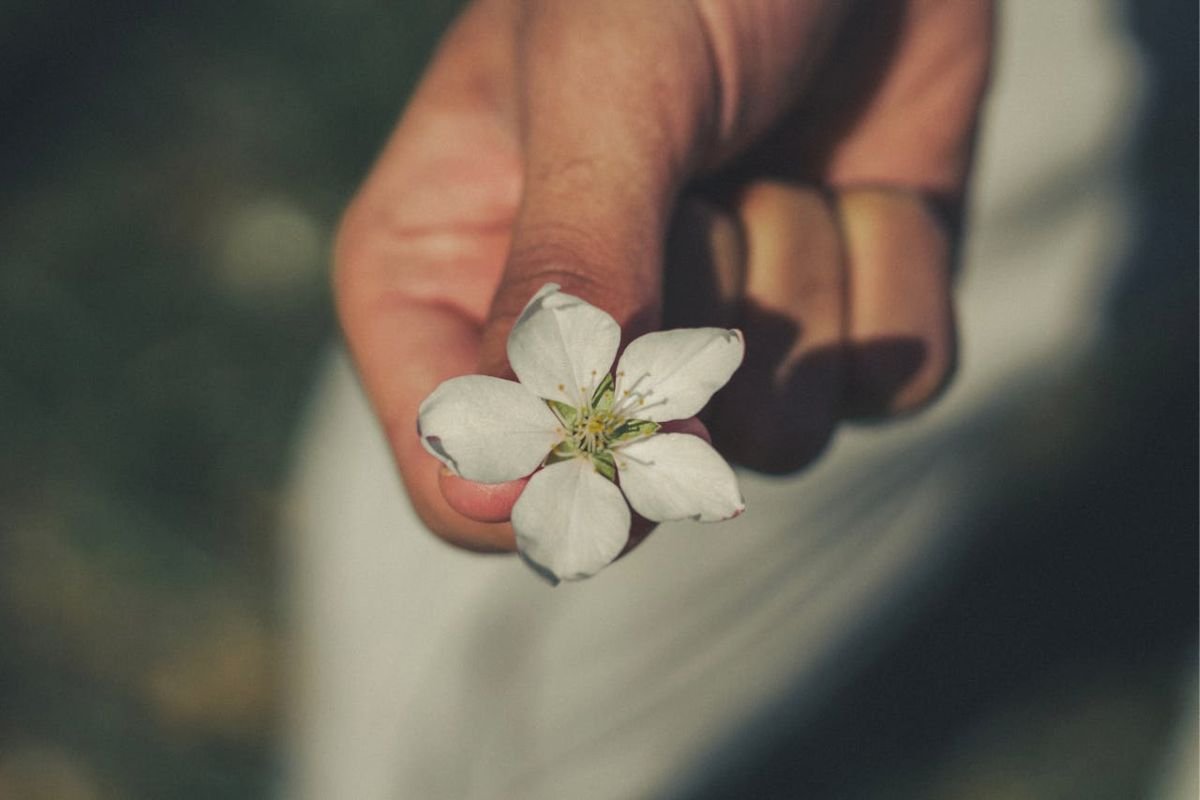
Time moves forward without pause, carrying us from youth to old age in what feels like a single breath. Yet within that brief span lies more than enough to make the journey meaningful.
Reflections on aging remind us that we cannot slow time or hold onto yesterday. But we can choose how we live within the years we are given. We can care for ourselves more gently, let go of unnecessary burdens, and remain open to beauty, love, and hope at every stage of life.
Growing older is not simply about loss. It is also about perspective, acceptance, and learning what truly matters. And when we begin to see ageing through that lens, even the twilight years carry their own kind of light.
People Also Ask
Frequently Asked Questions About Ageing, Time, and Living Well
Why does time feel like it passes faster as we get older?
Time often feels faster with age because routines become familiar and fewer experiences feel new. As a result, the brain processes time differently, making years seem shorter compared to the slower, more vivid experiences of youth.
At what age do people start feeling old?
There is no fixed age for feeling old. Many people begin to feel it during moments of reflection, such as looking back on life or noticing physical and emotional changes, rather than at a specific number.
Why do we become more nostalgic as we age?
Nostalgia increases with age because people naturally reflect more on past experiences. Memories from youth often feel more vivid and emotionally meaningful, especially during times of transition or change.
How can we cope with regrets as we grow older?
Coping with regret involves accepting that no life is perfect, learning from past experiences, and focusing on the present. Letting go of what cannot be changed helps create space for peace and contentment.
What is the best way to live well as we age?
Living well as we age involves caring for both body and mind, finding joy in simple moments, maintaining meaningful connections, and focusing on what truly matters rather than past mistakes.
How can we find happiness in later life?
Happiness in later life often comes from self-acceptance, gratitude, and appreciating everyday experiences. Small pleasures, meaningful activities, and a sense of purpose all contribute to emotional wellbeing.
Is it normal to feel anxious about getting older?
Yes, it is common to feel anxious about ageing. Concerns about health, time, and life’s meaning are natural, but these feelings can also encourage reflection and a deeper appreciation of life.
How can we make peace with the passage of time?
Making peace with time involves accepting change, focusing on the present, and recognising that each stage of life has its own value. Letting go of resistance allows for a more meaningful experience of life.
What matters most in the later years of life?
In later years, what matters most often shifts toward inner peace, meaningful relationships, personal fulfilment, and the ability to appreciate life’s simple moments.
How can we make the most of the time we have left?
Making the most of time means living intentionally, caring for yourself, expressing love, and engaging in activities that bring meaning and joy rather than postponing happiness.