Life After Losing a Spouse: 3 Gentle Ways to Rediscover Joy, Purpose, and Peace

18 AUGUST 2026
“Grief may change your life, but it does not have to define the rest of it.”
Many people believe that one of life’s greatest blessings is growing old alongside the person they love. Yet life after losing a spouse can change that future in ways few of us are ever prepared for. As the years pass, couples often become each other’s closest companion, sharing daily routines, simple conversations, and countless memories that only the two of them truly understand.
Life, however, rarely unfolds exactly as we imagine.
A relationship may come to an end. A partner may grow distant. Or the person you expected to spend the rest of your life with may pass away long before you were ready to say goodbye.
When that happens, the loss reaches far beyond the absence of another person. Familiar routines suddenly disappear. The house feels empty. Even simple moments, like preparing dinner or watching the evening news, can become painful reminders that life has changed.
For many people, life after losing a spouse can feel uncertain. It is natural to wonder how to move forward when the future no longer resembles the one you had planned. The loneliness can be overwhelming, especially for those who are growing older alone for the first time.
Many people discover that the prospect of growing old alone can feel more frightening than death itself because it can mean losing companionship, independence, and the future they once imagined.
Grief deserves time and compassion. There is no timetable for healing, and no one should feel pressured to “move on” before they are ready. But while we cannot choose every chapter that life gives us, we can gradually decide how we will live the pages that remain.
That does not mean forgetting the person you loved. Nor does it mean pretending the sadness no longer exists.
It simply means allowing yourself to believe that happiness, purpose, and meaningful experiences are still possible.
Little by little, a new chapter begins to take shape.
The past is never forgotten, yet the heart has an extraordinary capacity to carry both love and hope at the same time.
1. Live Life on Your Own Terms After Loss
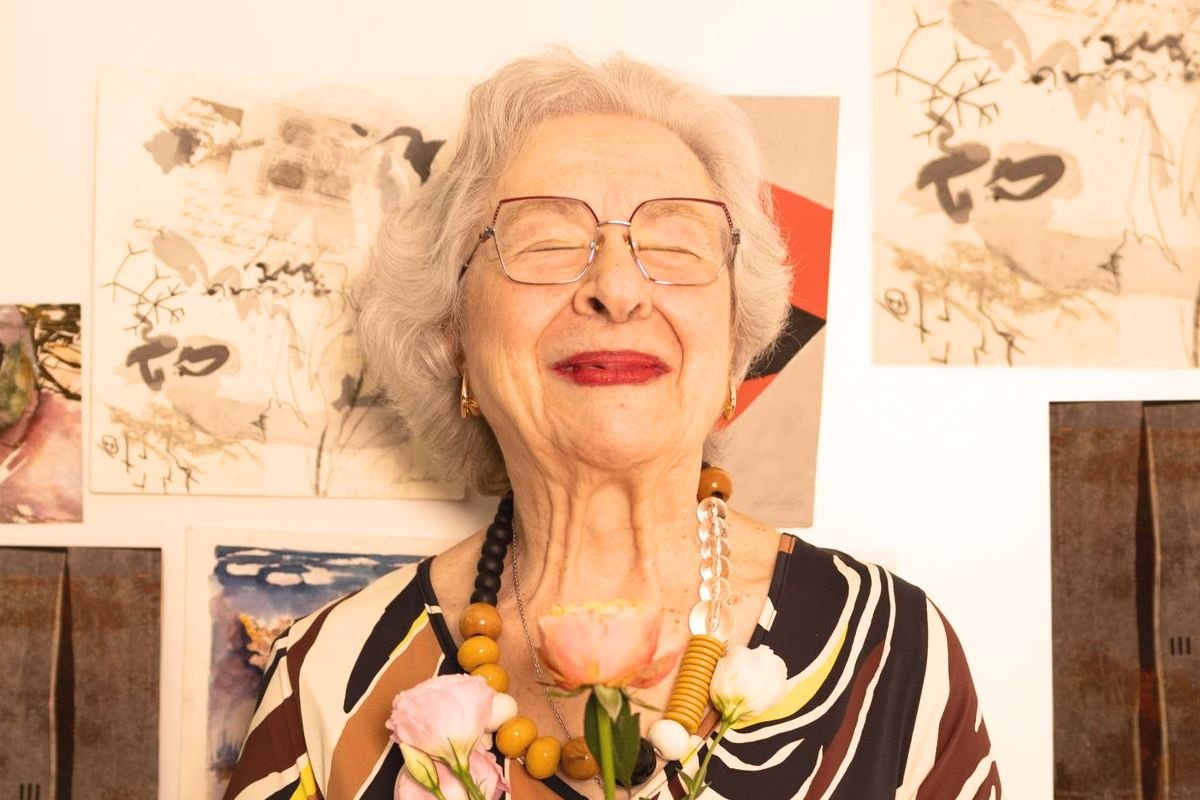
Sometimes, rebuilding your life begins with nothing more than saying yes to something you have never tried before.
A volunteer photographer once organised a project offering free artistic portraits to a group of older women.
Among them were cleaners, shop assistants, domestic helpers, and street vendors. Most had spent decades working tirelessly, putting the needs of family, employers, and customers before their own. Day after day, they wore practical clothes suited to the demands of everyday life, rarely giving much thought to themselves.
To most people passing by, they blended into the background.
Then something remarkable happened.
After having their hair and makeup done and changing into outfits that reflected their personalities, they stepped in front of the camera with smiles that seemed almost unfamiliar, even to themselves.
The transformation was not simply physical.
It was the confidence in their eyes.
The pride in the way they stood.
The deep joy of recognising a part of themselves that had been hidden beneath years of responsibility and routine.
The photographer hoped to show that everyone has the opportunity to discover a brighter, more confident version of themselves, if only they are willing to take that first courageous step.
Many of us carry dreams that linger in the background while work, family, and life’s responsibilities take centre stage. We tell ourselves that one day there will be more time.
Then, before we realise it, decades have passed.
Yet it is never too late to begin again.
One of the most inspiring examples can be found among the growing number of travel creators over the age of sixty who document their solo adventures online. After spending much of their lives raising children, supporting spouses, building careers, and caring for others, many finally decide it is time to pursue dreams they had long set aside.
For some, that means buying a small campervan after years of saving. Others pack a suitcase and begin exploring places much closer to home. The destination matters far less than the decision itself.
It is the decision to keep living with curiosity.
Along the way, they discover breathtaking landscapes, unexpected friendships, and experiences that remind them how much of the world still remains to be explored. Some even share their journeys online, encouraging thousands of others who are wondering whether it is too late to begin a new adventure.
More importantly, they discover something even greater than beautiful places.
They rediscover themselves.
Although unexpected challenges still arise, each obstacle overcome becomes another powerful reminder that resilience does not disappear with age. If anything, it often grows stronger through experience.
Of course, travelling is only one example.
For someone else, living life on their own terms may mean returning to university, learning a language, joining a local choir, moving closer to family, writing a memoir, or finally opening the little café they once dreamed about. For another person, it might simply mean taking a different walking route each morning and allowing themselves to notice the world with fresh eyes.
There is no single path towards rebuilding a meaningful life.
The important thing is giving yourself permission to choose it.
Losing the daily companionship, shared routines, and unspoken understanding that a loving partner once provided is one of life’s deepest sorrows. Yet choosing to keep living does not diminish the love that came before.
Instead, it honours it.
A life built on love deserves to continue growing, even after deep loss.
As new experiences slowly replace old routines, loneliness often begins to loosen its grip. The future may never look exactly as it once did, but it can still be rich with purpose, connection, and unexpected moments of happiness.
Sometimes the most beautiful chapters are not the ones we planned.
They are the ones we never imagined ourselves capable of writing.
2. Finding Purpose After Retirement Through Hobbies and Interests

Fill ordinary days with beauty, creativity, and meaning.
When they are young, many people look forward to retirement. They imagine having more time, greater freedom, and the opportunity to finally enjoy life at a gentler pace.
For years, retirement may seem like a distant reward after decades of hard work.
Yet when it finally arrives, many people are surprised by how different it feels.
The alarm clock no longer rings. The morning commute disappears. Busy schedules give way to open calendars. For the first time in decades, an entire day belongs to you.
That freedom can feel exciting.
It can also feel surprisingly unfamiliar.
Leaving a lifelong career often means saying goodbye not only to a job, but also to the routines, friendships, and sense of purpose that came with it. Many retirees find themselves asking a question they never expected:
“Who am I now?”
After years of meeting deadlines, solving problems, raising families, and caring for others, it is easy for our responsibilities to become woven into our identity. When those responsibilities change, we may feel as though we have lost a part of ourselves.
For those who are growing older alone or adjusting to life after losing a spouse, that transition can feel even more difficult. Without someone to share everyday moments with, the quietness of retirement may seem heavier than expected.
The good news is that retirement also offers something many people have not enjoyed for decades.
Choice.
The freedom to decide how each day will unfold.
That freedom can become one of life’s greatest gifts.
Many people begin finding purpose after retirement by returning to interests they once loved but had little time to enjoy. Others discover entirely new passions they never imagined pursuing.
Some learn to paint.
Some cultivate beautiful gardens.
Others join walking groups, community choirs, book clubs, photography classes, or cooking courses. Many embrace lifelong learning, proving that curiosity never has an expiry date.
These activities may appear simple on the surface, yet they offer something far more valuable than a way to pass the time.
They awaken curiosity.
They challenge the mind.
They create opportunities to meet new people.
Many of these simple activities can become the small daily habits that gently lift our mood and help us rediscover happiness during difficult seasons of life.
Most importantly, they remind us that there is still so much life waiting to be lived.
One inspiring story shared online tells of a retired university lecturer who chose to spend his retirement volunteering at a local community centre. After decades of teaching in lecture halls, he discovered that helping people in his own neighbourhood brought him just as much fulfilment.
Retirement had not taken away his purpose.
It had simply changed where he found it.
Stories like his are a reminder that volunteering after retirement is about far more than giving back. It also offers friendship, structure, belonging, and the deep satisfaction that comes from knowing your experience can still make a difference in someone else’s life.
Of course, meaningful hobbies look different for everyone.
Some people find peace while fishing beside a tranquil lake.
Others lose themselves in woodworking, knitting, writing, music, birdwatching, baking, or restoring old furniture. Some enjoy travelling the world, while others are perfectly content exploring the beauty of their own neighbourhood.
There is no perfect hobby.
There is only the activity that leaves you feeling a little happier than you did before.
In many ways, hobbies are not really about keeping busy.
They are about continuing to grow.
They remind us that even in later life, we are still learning, still creating, still laughing, and still discovering new parts of ourselves.
That is one of the greatest gifts of healthy ageing.
As the weeks and months pass, those small interests gradually become meaningful routines. A weekly painting class becomes a circle of friends. An afternoon spent tending the garden becomes a peaceful ritual. A volunteer role becomes a reason to look forward to tomorrow.
Little by little, purpose returns.
Not all at once.
But often in the simplest and most ordinary moments.
Perhaps that is the secret.
A meaningful life is rarely built through dramatic changes.
More often, it is created through countless small moments that bring joy, connection, and a renewed sense of belonging.
And as those moments begin to fill our days, something else gradually changes as well.
We discover that being alone is not always the same as being lonely.
Sometimes, solitude itself can become one of life’s greatest teachers.
3. Embracing Solitude and Discovering Your Inner Strength
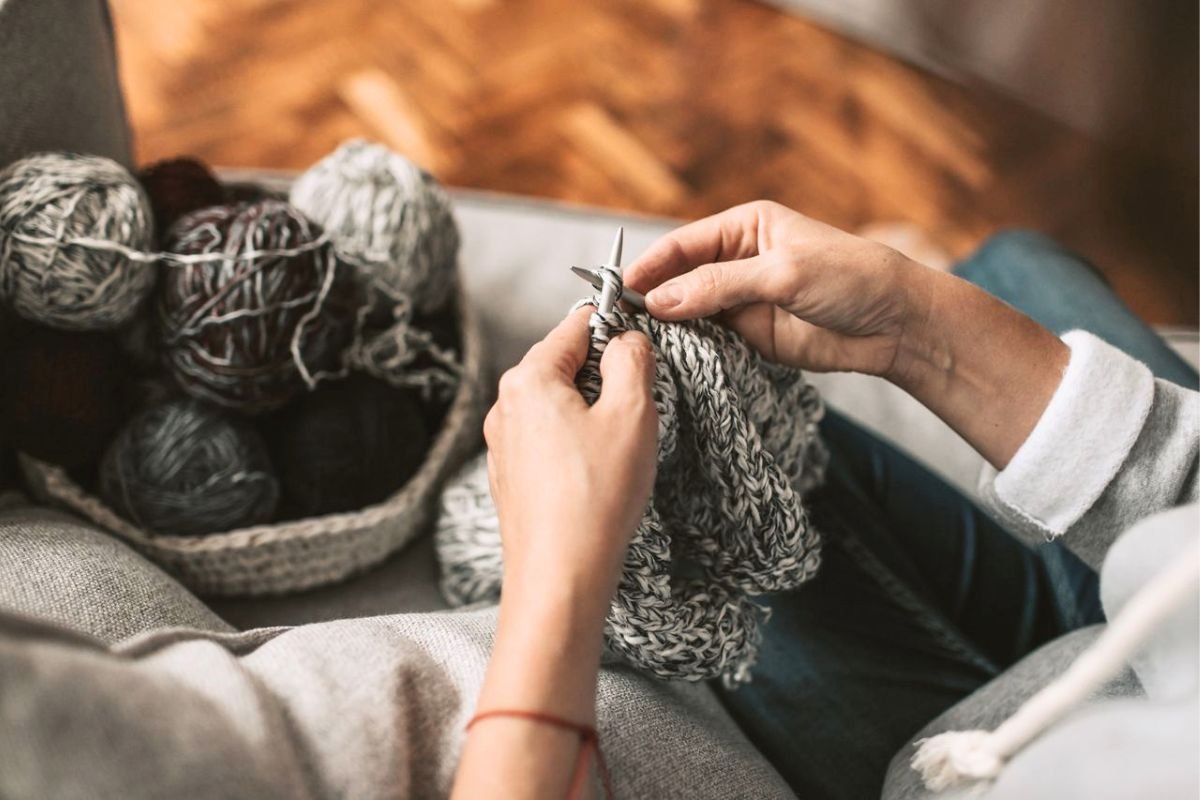
Watch the clouds drift by, the flowers bloom and fade, and allow yourself to grow through gentle reflection.
One of the hardest adjustments after losing a life partner is learning to become comfortable with your own company.
The evenings seem longer than they once did. Meals feel different. The chair across the table remains empty. Even the smallest routines can become poignant reminders of someone who is no longer there.
For many people, coping with loneliness in old age is not simply about being physically alone. It is about learning how to carry memories while continuing to live fully in the present.
That is never easy.
Yet history and literature remind us that the human spirit is remarkably resilient.
One of the most memorable examples is Santiago, the ageing fisherman in Ernest Hemingway’s The Old Man and the Sea.
Despite his advancing years, Santiago continued sailing out alone each morning in search of fish. For eighty-four consecutive days, he returned empty-handed. Many believed his luck had finally run out.
Still, he refused to surrender.
On the eighty-fifth day, he hooked an enormous marlin.
For two days and two nights, he battled the magnificent fish with extraordinary determination. Even after finally securing his catch, his greatest challenge still lay ahead. Sharks repeatedly attacked the marlin during the journey home. Though exhausted and injured, Santiago continued fighting until he reached shore with nothing more than the marlin’s skeleton.
By most measures, it looked like failure.
Yet Hemingway saw something entirely different.
He saw courage.
He saw dignity.
He saw perseverance.
His famous words have inspired readers for generations:
“A man can be destroyed but not defeated.”
That message reaches far beyond the sea.
Growing older means accepting that some losses cannot be avoided. A beloved spouse may pass away. Long-held plans may never unfold as expected. Life changes in ways we never imagined.
But even when circumstances change, the strength to keep moving forward remains one of our greatest gifts.
Like Santiago, we may not always return with everything we hoped for.
Some dreams remain unfinished.
Some chapters close sooner than we expected.
Yet every time we choose to greet another morning with courage, we achieve something truly remarkable.
We refuse to let loss have the final word.
Over time, something else begins to change.
Solitude no longer feels quite the same.
Instead of seeing it only as loneliness, we begin to discover that solitude can offer something deeply restorative. It creates space to think, to remember, to heal, and to appreciate the gentle rhythm of everyday life.
A slow walk through the park.
Reading beside an open window while the rain softly falls.
Tending a small garden.
Watching birds gather at sunrise.
Enjoying a favourite cup of tea without feeling hurried.
These moments may seem ordinary to others, yet they often become the moments we treasure most.
There is a simple kind of happiness found in noticing the beauty we once rushed past.
When we begin to appreciate our own company, embracing solitude no longer feels like giving something up. Instead, it becomes an opportunity to reconnect with ourselves and to discover a deeper sense of peace.
That does not mean we stop missing the people we love.
It simply means that love and contentment can learn to exist side by side.
A meaningful life has never depended on constant activity or endless company.
Sometimes, it is found in peaceful mornings, familiar routines, meaningful conversations, and the gratitude that comes from recognising that every new day still holds something worth noticing.
Every Chapter Still Has Something Beautiful to Offer

Growing older without a life partner is rarely the future anyone imagines.
There will be days when memories arrive unexpectedly. A familiar song, a favourite meal, or an old photograph may bring both tears and smiles. Grief has a way of reminding us that deep love never truly disappears.
Those moments deserve compassion.
They do not need to pull us back into the past. Instead, they remind us how fortunate we were to have loved someone so deeply.
Yet life is not measured only by what we have lost.
It is also shaped by what we continue to discover.
Perhaps this season of life offers something that earlier years rarely could.
The freedom to choose.
The freedom to slow down.
The freedom to spend time on what truly matters.
Perhaps one of life’s greatest discoveries is that true meaning is rarely found in extraordinary moments alone. More often, it grows through love, kindness, relationships, purpose, and the way we choose to spend each ordinary day.
Whether that means travelling somewhere new, nurturing a garden, volunteering in your community, learning a musical instrument, joining a local group, or simply enjoying peaceful mornings with a good book and a cup of tea, each small choice becomes another way of saying yes to life.
Purpose rarely arrives all at once.
More often, it returns little by little.
A conversation.
A hobby.
A walk beneath autumn trees.
A new friendship.
A simple act of kindness.
These ordinary moments gradually remind us that hope and purpose often return in the simplest ways.
The love you shared with your spouse will always remain part of your story.
It shaped your life, your memories, and the person you have become.
Nothing can take that away.
But it does not have to be the final chapter.
Perhaps the greatest act of courage is not beginning an entirely new life.
It is choosing, despite everything that has changed, to remain open to wonder.
To friendship.
To kindness.
To laughter.
To hope.
Because life after losing a spouse is not about replacing the person you loved. It is about discovering that love can continue to shape your life while you gently build a meaningful future.
It is about honouring that love by continuing to live in a way that would make both of you proud.
After all, growing older is not simply about learning to live with loss.
It is about remembering, one gentle day at a time, that the heart never loses its remarkable ability to find meaning, purpose, beauty, and joy again.
Continue Your Journey
If this article resonated with you, you may also enjoy these related reads:
- Learn why losing a lifelong companion can affect people differently and why growing old together is such a precious gift. → (Post 093)
- Explore why many people fear growing older more than death itself, and how understanding those fears can bring greater peace. → (Post 051)
- Discover gentle ways to lift your spirits, rebuild emotional resilience, and find moments of happiness during difficult seasons of life. → (Post 062)
- Reflect on what gives life meaning, purpose, and lasting fulfilment, especially as we grow older. → (Post 038)
People Also Ask
Frequently Asked Questions About Life After Losing A Spouse
Can you find happiness after losing a spouse?
Yes. Although grief never completely disappears, many people gradually discover that happiness and sadness can exist together. Finding joy again does not mean forgetting the person you loved. It means allowing yourself to experience new friendships, meaningful activities, and moments of peace while continuing to honour their memory.
How do you cope with loneliness in old age?
Coping with loneliness in old age often begins with small, consistent steps. Joining a local group, volunteering, pursuing meaningful hobbies, staying connected with family and friends, or simply creating enjoyable daily routines can gradually replace isolation with a renewed sense of purpose and connection.
What helps people rebuild their lives after losing a spouse?
There is no single path that works for everyone. Many people find comfort by establishing new routines, rediscovering old interests, travelling, volunteering, learning new skills, or spending time with supportive family and friends. Healing usually happens gradually, one step at a time.
How can retirement help you find a new sense of purpose?
Retirement offers something many people have not experienced for years: the freedom to choose how they spend each day. Whether through creative hobbies, lifelong learning, community involvement, or volunteering, retirement can become an opportunity to discover fresh purpose and enjoy a more meaningful life.
Is it healthy to spend time alone as you get older?
Yes. Solitude and loneliness are not the same thing. Spending time alone can encourage reflection, creativity, gratitude, and personal growth. When balanced with meaningful social connections, solitude can become a valuable source of inner peace and emotional resilience.
What is the most important message for someone growing older alone?
Growing older alone does not mean growing older without purpose. Although loss changes life in profound ways, it does not prevent new friendships, meaningful experiences, personal growth, or moments of happiness. Every stage of life still holds opportunities to discover beauty, hope, and fulfilment.