When You’re Tired or in Emotional Pain, You Don’t Have to Tell Everyone

12 AUGUST 2025
Everyone Feels Things Differently
“Each person’s sorrow and joy are not the same.”
That line rings painfully true, doesn’t it?
When you’re carrying emotional pain, mental exhaustion, or physical fatigue, it can feel natural to reach out and hope someone understands. But understanding isn’t always guaranteed.
You might be carrying something heavy, emotionally, mentally, even physically, and when you finally gather the courage to talk about it, you’re met with indifference. Or worse… a joke.
You open up about your pain, hoping for some understanding, only to feel misunderstood, even judged.
What feels like a cry for comfort to you might sound like noise to someone else.
You’re not being dramatic. You’re not weak. But when someone hasn’t lived what you’re living, they may not know how to meet you in your moment.
When Comfort Doesn’t Come
You share your story, but they don’t get it.
You look for warmth, but feel brushed off.
You’re vulnerable, and they think you’re just being foolish.
And that hurts. Not because they’re bad people, but because they just don’t know. They haven’t felt it. They haven’t lived it.
That’s when many of us begin to quietly carry our pain alone, and over time, start to understand why more people are choosing solitude as a way to protect their energy and find clarity in life.
We don’t choose it at first. Over time, we simply begin to realise we might have to.
Some Roads Through Emotional Pain Must Be Walked Alone
The Emotional Pain of Being Misunderstood
Have you ever reached out, hoping someone would understand, and ended up feeling more alone?
Maybe you were overwhelmed or breaking inside. You tried to open up. But instead of warmth, you were met with confusion, sarcasm, or silence.
It stings, doesn’t it?
But here’s a quiet truth: most people can’t grasp what they’ve never been through.
It’s not always a lack of care, it’s often a lack of experience. In many cases, it also connects to why self-love can feel so difficult, and how those early emotional patterns quietly shape the way we seek understanding from others.
Emotional depth often comes from personal pain. And if someone hasn’t lived through a certain kind of hurt or exhaustion, they may not know how to hold space for yours.
Finding Emotional Resilience Within Yourself
Even when someone does care, even when they try, you’ll notice something:
You still have to walk through it yourself.
No one else can feel your feelings, think your thoughts, or carry your fear.
They can stand beside you, but they can’t walk your path.
And strangely, that realisation isn’t hopeless.
It’s quietly empowering.
Because in those moments where comfort doesn’t arrive from the outside, we uncover something far greater on the inside:
A quiet strength. A deep resilience. One that’s always been there, waiting for us to notice it.
When You’re Tired, There’s No Need to Tell Everyone

The Urge to Share
Have you ever felt completely drained, like your mind is foggy, your body feels heavy, and everything around you just seems… too much?
You try to push through, but nothing seems to click.
So you think, Maybe I should talk to someone. Maybe sharing this will help me feel a little lighter.
And sometimes, it truly helps, especially when the person really listens.
When they hold space for you, validate how you’re feeling, and don’t try to fix anything, just quietly sit with you in your weariness, that kind of presence can bring real relief.
When Sharing Backfires
But let’s be honest, not everyone responds that way.
Sometimes, you open up and walk away feeling even more drained.
Why?
Because when someone doesn’t understand, when they brush off your fatigue, jump in with advice, or steer the conversation back to themselves, it doesn’t feel like support.
It feels like rejection. Much of this comes down to the hidden psychological triggers behind our responses and why people react the way they do, often without real awareness.
And suddenly, you’re not just tired anymore. You’re frustrated.
Maybe even embarrassed for having said anything at all.
That’s when it starts to sink in:
Not everyone needs to know when you’re exhausted.
Choosing Self-Regulation Over Constant Sharing
This isn’t about bottling things up.
It’s about recognising that not every moment of tiredness needs to be spoken aloud.
Sometimes, the most healing thing you can do is quietly pause.
Breathe. Recenter. Tend to yourself without needing outside validation.
Because even when someone listens, they can’t do the resting for you.
They can’t clear your schedule, reset your mindset, or carry your responsibilities.
That part is yours, and yours alone.
Quiet Strength
And that’s okay.
There’s a quiet kind of power in learning how to take care of yourself without always needing someone else to make it better.
It’s not isolation.
It’s self-awareness.
Over time, you begin to understand something gentle but true:
You don’t always have to talk about it to move through it.
You just need rest.
Space.
And permission to slow down and be kind to yourself, even when no one else knows what you’re carrying.
When You’re in Pain, There’s No Need to Tell Everyone
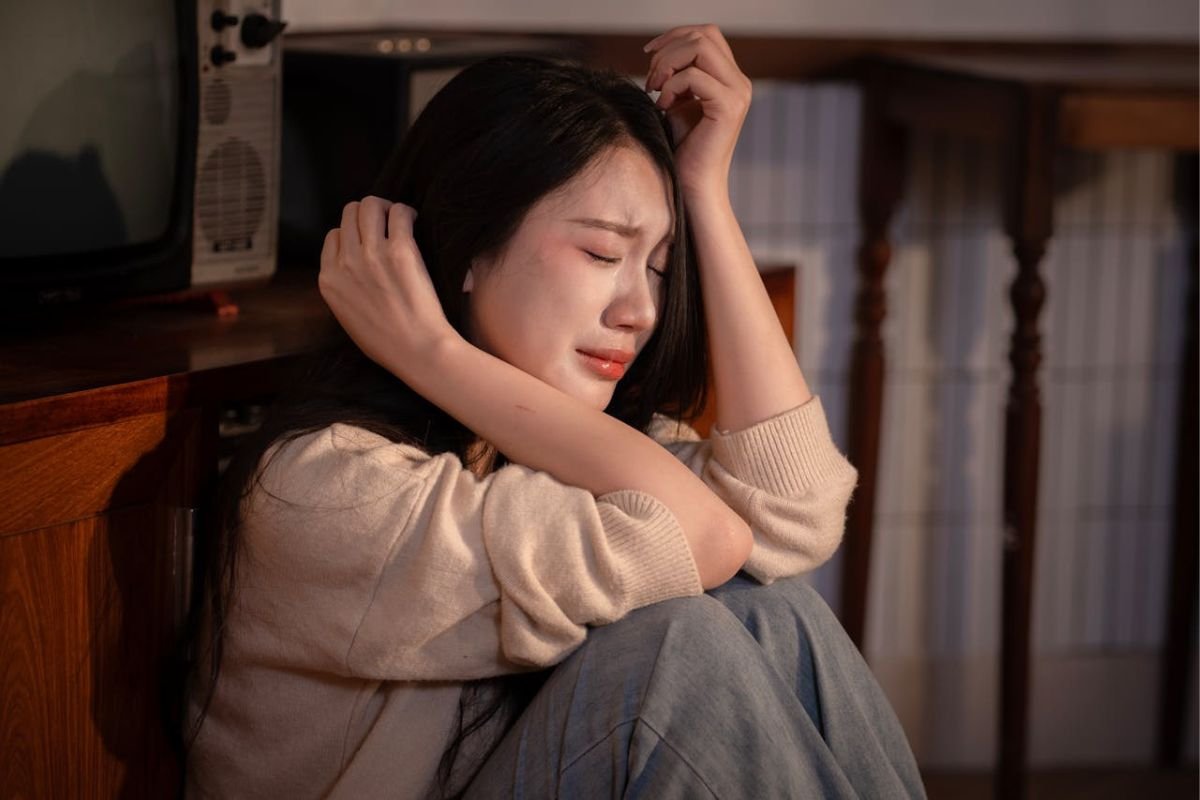
The Ache You Can’t Put Into Words
Have you ever been in so much emotional pain that you didn’t even know what to do with it?
Maybe it was heartbreak, a crushing disappointment, or something you couldn’t quite name, just a heavy ache, like the ground beneath you had shifted. And in those moments, the first instinct is often to reach out.
To call someone.
To ask: What should I do?
And sometimes, that helps.
But over time, we begin to realise something else:
Even when someone listens with all their heart…
Even when they care deeply and try to comfort you…
The pain doesn’t always lift.
You Still Have to Feel It
You’re still the one lying awake at night, replaying moments in your mind.
You’re still the one who has to move through it, thought by thought, tear by tear.
Why?
Because some emotions simply can’t be outsourced.
Yes, people can sit beside us, offer warmth, give advice, and those things do matter.
But they can’t feel it for us.
They can’t cry our tears, make our decisions, or carry our emotional weight.
Take something like a breakup. Friends can surround you with love and encouragement.
And that helps.
But the heartbreak, the confusion, the quiet unraveling of what once was. That’s yours.
Only you can face it.
Only you can do that kind of inner reckoning.
When Talking Isn’t Enough
Now, this doesn’t mean that talking is useless, not at all.
Sometimes, just one honest conversation can ease some of the pressure.
A kind voice can give you the strength to face another day.
But if we depend only on talking, if we expect someone else to untangle the knots inside us, we may end up feeling even more overwhelmed.
Because healing doesn’t come from being told how to feel.
It comes from feeling it all.
Letting it wash over you.
And slowly, in your own way, learning how to carry it differently.
Healing Emotional Pain in Silence
That’s why, in some moments, the most healing thing isn’t another long conversation.
It’s simply being with yourself, no explaining, no justifying, no performing.
Just letting yourself feel it.
Messy. Raw. Real.
And when you stop waiting for someone else to fix it, you begin to notice small ways to care for yourself, to breathe through the pain, even if it still lingers.
Maybe that’s the quiet truth in all of this:
You don’t have to talk about every hurt.
Not because no one cares, but because sometimes, the most meaningful healing happens quietly, inside your own heart.
Final Thoughts: Self-Regulation During Emotional Pain

Everyone Is Carrying Something
Life doesn’t always go the way we imagine.
In fact, for most people, disappointment shows up more often than celebration. We see it every day. People smiling, showing up, and moving through their routines while carrying burdens that nobody else can see.
It’s not that they don’t want to talk about it. It’s just that, over time, many people learn a simple but hard-earned truth:
Talking doesn’t always bring relief.
This is one of life’s quieter lessons. When you’re overwhelmed, the world doesn’t always pause. And even when someone asks how you’re doing, their ability to truly understand may be limited. Often, it’s simply that they haven’t lived your experience themselves.
The Value of Self-Regulation
As a result, we gradually learn to carry certain emotions more carefully.
It isn’t driven by shame, nor is it a sign that we’re shutting down.
We begin to trust ourselves to hold our feelings, process emotional pain, and care for our inner world without always needing external validation.
You pause.
You reflect.
You regulate.
You’re discovering that healing doesn’t always depend on being fully understood, even when everything isn’t okay.
Support matters. Connection matters. But sharing with the wrong person, or at the wrong time, can sometimes leave you feeling more exposed than comforted.
Emotional Strength Comes From Within
In moments of exhaustion, heartbreak, or emotional pain, one of the most powerful things you can do is turn inward first.
Sit with the discomfort.
Listen to what it’s trying to tell you.
And instead of rushing to explain it or fix it, allow yourself the space to experience it honestly and gently.
That isn’t weakness.
It’s emotional resilience.
It’s the ability to soothe your own heart, make room for difficult feelings, and keep moving forward one step at a time.
Healing Doesn’t Always Need an Audience
So no, you don’t always have to tell everyone when you’re tired or hurting.
Choosing to keep some struggles private is perfectly valid.
Because one of the most valuable skills you can develop in life is learning how to self-regulate, face emotional pain with courage, and find peace within yourself, even when nobody else fully understands what you’re carrying.
There is strength in holding certain things gently.
Trust yourself.
Give yourself the time and space to heal.
Take care.
Explore Further
If this resonated with you, you might find these reflections helpful as you continue your journey inward:
- Understanding why solitude is becoming a conscious choice for many → (Post 021)
- Exploring where struggles with self-worth and emotional connection often begin → (Post 043)
- Discovering the hidden psychological patterns behind how people respond and behave → (Post 024)
People Also Ask
Frequently Asked Questions About Feeling Emotionally Tired
Is it okay to not tell anyone when you’re feeling tired or in pain?
Yes, it’s completely okay. Not every emotion needs to be shared. While talking can help in the right situations, there are moments when rest, space, and self-awareness are more effective. Learning to care for yourself without always seeking external validation is a healthy and important skill.
Why do I feel worse after opening up to people?
Sometimes, sharing can feel worse when the other person doesn’t understand or respond with empathy. This can lead to feelings of rejection or frustration. It doesn’t mean your emotions are invalid, it simply means not everyone has the capacity or experience to support you in the way you need.
Is it unhealthy to deal with emotions on your own?
Not necessarily. Processing emotions on your own can build resilience and self-awareness. However, balance is key. It’s important to know when to turn inward and when to seek support from people who genuinely understand and care.
Why do people not understand my pain?
People often struggle to understand experiences they haven’t gone through themselves. Emotional understanding is shaped by personal experience, so a lack of empathy is often due to unfamiliarity rather than a lack of care.
How can I cope when I feel emotionally overwhelmed?
Start by slowing down and giving yourself space. Simple actions like resting, breathing deeply, or stepping away from stressful situations can help regulate your emotions. Over time, building small self-care habits can make it easier to manage overwhelming moments.
Does solitude help with emotional healing?
Yes, solitude can support emotional healing when used intentionally. It allows you to reflect, process your feelings, and reconnect with yourself without outside pressure. The key is to use solitude as a space for restoration, not avoidance.